-
Now live! Generate even more savings with our Skygate system. Click here to learn more.

On this page
- Why Solar Panels Need To Be Removed Before Roof Repairs
- How Solar Panel Removal Works For Roof Repairs
- What Happens After Roof Repairs Are Completed
- Key Considerations Before Removing Solar Panels For Roof Work
- Common Challenges During Solar Removal For Roof Repairs
- How Upvolt Helps Homeowners Manage Solar Removal For Roof Repairs
- Let’s Recap
- About Upvolt
- FAQ
Solar Photovoltaic
11 mins read
Can Solar Panels Be Removed For Roof Repairs?
28 Apr 2026When solar panels should be removed for roof repairs and how to protect your system.
Take the first step toward energy independence today.
get a quote
On this page
- Why Solar Panels Need To Be Removed Before Roof Repairs
- How Solar Panel Removal Works For Roof Repairs
- What Happens After Roof Repairs Are Completed
- Key Considerations Before Removing Solar Panels For Roof Work
- Common Challenges During Solar Removal For Roof Repairs
- How Upvolt Helps Homeowners Manage Solar Removal For Roof Repairs
- Let’s Recap
- About Upvolt
- FAQ
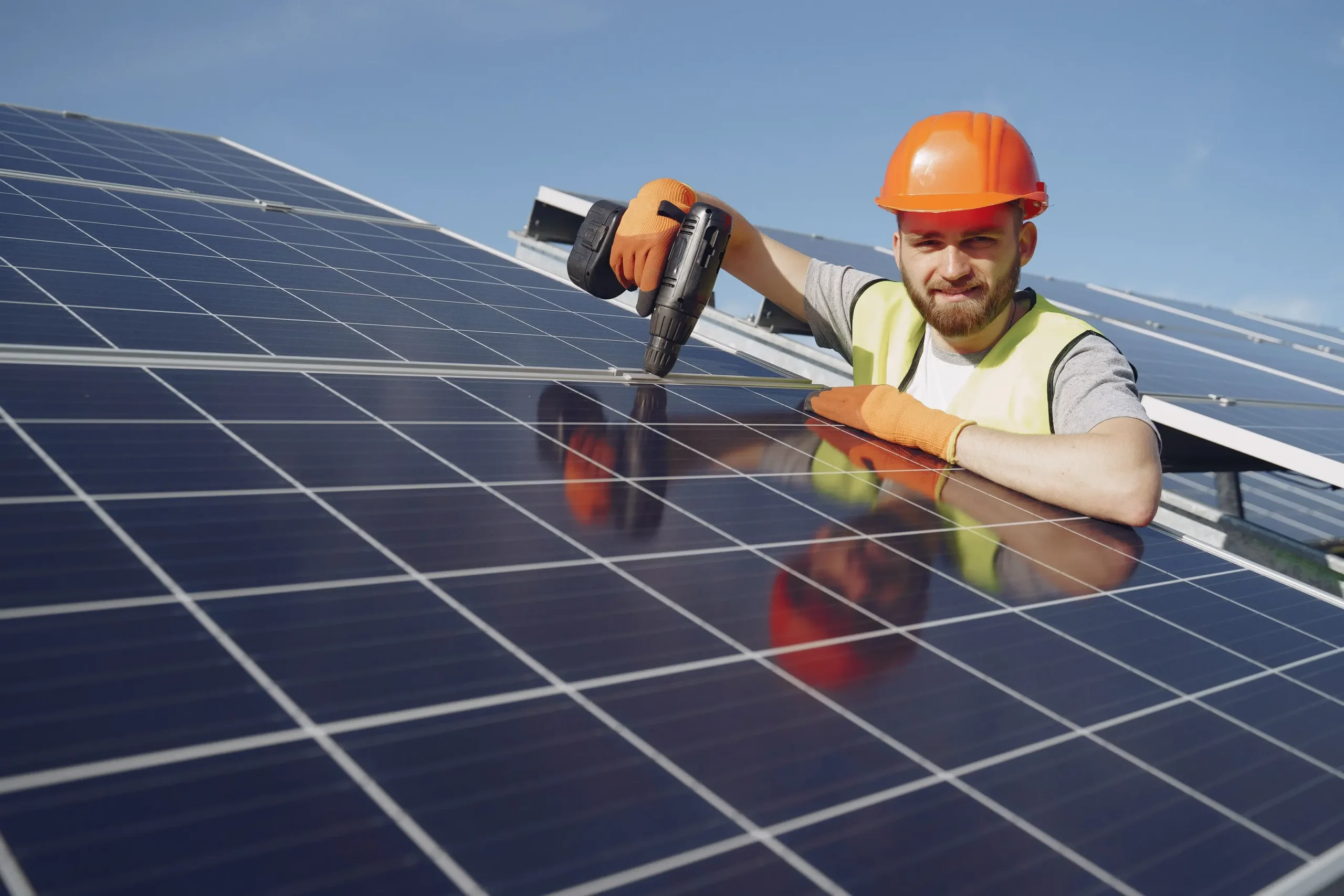
If your roof needs repair, having solar panels already installed can complicate the process. While they’re designed to sit securely in place for decades, they often need to be temporarily removed to allow proper access and ensure repairs are carried out safely and effectively.
In this article, we explore when solar panels need to be removed for roof repairs, how the process works, what challenges to expect, and how to ensure your system is safely restored or upgraded afterwards.

11 min read
On this page
- Why Solar Panels Need To Be Removed Before Roof Repairs
- How Solar Panel Removal Works For Roof Repairs
- What Happens After Roof Repairs Are Completed
- Key Considerations Before Removing Solar Panels For Roof Work
- Common Challenges During Solar Removal For Roof Repairs
- How Upvolt Helps Homeowners Manage Solar Removal For Roof Repairs
- Let’s Recap
- About Upvolt
- FAQ
Key Takeaways
- Solar panels often need to be removed for roof repairs to allow safe access and ensure work is completed properly without compromise.
- A structured removal process protects both your property and your solar system, reducing the risk of damage and ensuring safe electrical handling.
- Reinstallation is an opportunity to restore or improve system performance, especially if components are ageing or energy needs have changed.
- Careful planning, including timing, system condition, and installer coordination, is essential to avoid delays, additional costs, and long-term performance issues.
Why Solar Panels Need To Be Removed Before Roof Repairs
When your roof needs repair, keeping solar panels in place might seem convenient, but in most cases, it limits what contractors can safely and effectively do. Proper roof work requires full access, and without it, repairs can be incomplete, risky, or short-lived.
Accessing The Roof Safely
Roof repairs involve working at height, often with scaffolding, tools, and multiple trades on site.
Solar panels create physical obstacles that restrict movement and visibility, increasing the risk of accidents or mistakes. Removing solar panels creates a clear, safe working area, allowing contractors to carry out repairs properly without unnecessary hazards.
Preventing Damage To Panels And Mounting Systems
Your solar system is a long-term investment, and leaving it in place during roof work exposes it to unnecessary risk.
Falling debris, tools, or structural movement can damage panels, wiring, or mounting systems. Even minor impacts can affect performance over time. Removing the panels protects them during the repair process and ensures they can be reinstalled without hidden damage.
Ensuring Proper Repair Work
Roof issues are often more extensive than they first appear. Problems like leaks, rot, or structural wear can exist beneath the surface.
With panels still installed, these areas are difficult, and sometimes impossible, to inspect fully. Removing the system allows roofers to assess the entire structure, fix underlying issues properly, and prevent repeat problems in the future.
The table below shows when removal is typically required, depending on the type of repair:
| Repair Type | Access Requirement | Removal Necessity |
| Minor tile replacement | Partial access | Sometimes required |
| Major leak repair | Full access | Strongly recommended |
| Structural roof work | Complete access | Essential |
| Gutter maintenance | Perimeter access | Usually not required |
How Solar Panel Removal Works For Roof Repairs
Removing a solar system for roof work isn’t just about lifting panels off the roof. It’s a controlled process designed to protect your home, your system, and the people carrying out the work.
Disconnecting The System Safely
The first step is isolating the system from your home and the grid. A qualified installer shuts down the inverter and ensures there is no electrical current running through the system. Every connection is tested before work begins, eliminating risk and ensuring safe handling throughout the process.
Removing Panels And Mounting Equipment
Once the system is isolated, panels are carefully removed using specialist equipment to avoid damage.
The mounting system, including rails, brackets, and fixings, is then dismantled. Each component is handled methodically to preserve its condition for reinstallation.
This stage typically includes:
- Labelling components to ensure correct reinstallation
- Safely storing panels and hardware to prevent damage
- Inspecting the exposed roof area once the system is cleared
Preparing The Roof For Repair Work
With the system removed, contractors have full access to the roof structure. This allows them to identify and fix underlying issues such as damaged tiles, leaks, or structural weaknesses. Any problems can be addressed properly, rather than worked around, ensuring the repair is durable and long-lasting.
A well-managed removal process ensures your roof is repaired to a high standard and your solar system is ready to be reinstalled safely and efficiently.
What Happens After Roof Repairs Are Completed
Once your roof repairs are finished, the focus shifts to restoring your solar system and making sure it delivers the same, or better, performance than before. This stage isn’t just about putting panels back, it’s an opportunity to improve how your system works long-term.
Reinstalling Solar Panels On The Same Roof
With the roof fully repaired, your solar panels can be safely reinstalled.
In most cases, reusing your existing panels is the most cost-effective option, especially if they’re still performing well and within warranty. Installers will refit the system using updated mounting methods where needed, ensuring it’s secure, weatherproof, and aligned with the new roof structure.
This process protects your original investment while giving you the benefit of a stronger, more reliable foundation.
Checking System Performance After Reinstallation
Before your system goes fully live again, it’s carefully tested to ensure everything is operating correctly.
Installers will check electrical connections, inverter performance, and overall system output to confirm your solar setup is generating energy as expected. This step is essential, not just to restore performance, but to verify that nothing was compromised during removal or reinstallation.
A properly tested system ensures stable generation, accurate monitoring, and continued reliability moving forward.
When Replacement Or Upgrades May Be Needed
Roof work creates a natural opportunity to reassess your system. If your panels are ageing or your energy needs have increased, upgrading at this stage can be far more efficient than doing it later. Labour is already accounted for, and access is already in place, making improvements more cost-effective.
Common upgrade considerations include:
- Replacing older panels with higher-efficiency models
- Adding battery storage to increase self-consumption
- Upgrading the inverter to improve overall system performance
Handled at the right time, these upgrades can significantly increase the long-term value of your solar system.
Key Considerations Before Removing Solar Panels For Roof Work
Removing solar panels is a decision that affects cost, timing, and long-term performance. Planning it properly ensures the process runs smoothly and avoids unnecessary complications.
- Roof condition and repair scope: Minor repairs may require partial removal, while structural work often requires full system removal. In some cases, replacing the roof entirely before reinstalling panels is the more cost-effective long-term option.
- System age and condition: If panels are ageing or components like the inverter are nearing end of life, it may make more sense to upgrade during the process rather than reinstall an underperforming system.
- Timing and coordination with installers: Removal, repair, and reinstallation need to be aligned to keep your property protected and avoid delays. Poor timing can lead to additional costs or exposure to weather risks.
Common Challenges During Solar Removal For Roof Repairs
Solar panel removal is a necessary step for many roof repairs, but it isn’t always straightforward. Delays, technical constraints, and safety requirements can all impact how quickly and efficiently the work is completed.
Understanding these challenges upfront helps you plan properly and avoid costly disruption.
Weather And Scheduling Delays
Roof work and solar removal are both highly weather-dependent, and in the UK, conditions can change quickly.
High winds, rain, or poor visibility can pause work entirely, delaying both panel removal and the start of roof repairs. When two trades are involved, timing becomes even more critical. If solar removal is delayed, the roofing team can’t proceed, creating a knock-on effect across the entire project.
Building flexibility into your schedule and coordinating timelines carefully is key to keeping everything on track.
Compatibility With Existing Mounting Systems
Over time, components can degrade, become outdated, or no longer meet current standards. When panels are removed, issues such as worn fixings, incompatible brackets, or outdated rail systems often become apparent.
If the mounting system isn’t suitable for reuse, replacement may be required, adding both time and cost to the project. A professional assessment before removal helps identify these risks early and prevents delays during reinstallation.
Electrical Safety And Compliance
Solar systems are live electrical installations, and incorrect handling can pose serious risks.
Safe isolation, disconnection, and reconnection must be carried out by MCS-certified professionals in line with UK regulations. Any mistakes at this stage can lead to system faults, safety hazards, or even voided warranties.
Ensuring proper testing and compliance checks after reinstallation is just as important, as it confirms your system is safe, efficient, and fully operational.
Stay Connected with Upvolt
Get the latest updates on energy innovations, smart solutions, and exclusive offers.
How Upvolt Helps Homeowners Manage Solar Removal For Roof Repairs
Solar removal isn’t just a technical task; it’s a coordination challenge. Done poorly, it can lead to delays, damage, and unnecessary costs. Done properly, it protects your system and keeps your entire project running smoothly.
Coordinating Removal And Reinstallation
Upvolt manages the full timeline, ensuring your solar system is removed before roof work begins and reinstalled as soon as repairs are complete.
By aligning both trades, disruption is minimised and your home is never left exposed longer than necessary.
Ensuring Safe System Handling
Every component of your system is handled with precision. Panels, wiring, and mounting hardware are carefully removed, stored, and protected to prevent damage. This ensures your system can be reinstalled without performance loss or hidden faults.
Assessing Whether Panels Should Be Reused Or Upgraded
Upvolt assesses the condition and performance of your system to determine whether reinstallation is the best option, or if upgrading will deliver stronger long-term value. This may include improving efficiency, increasing capacity, or integrating battery storage to enhance how your system performs.
Ensuring Compliance With UK Standards
All work is carried out in line with UK safety, electrical, and installation regulations. This ensures your system remains compliant, protected, and eligible for relevant energy schemes. More importantly, it guarantees your system is safe, reliable, and built to perform long after the roof work is complete.
Let’s Recap
Removing solar panels for roof repairs is essential to ensure the work is done safely and to a high standard. Without full access, roof issues can go unresolved, leading to further damage and additional costs over time.
The process itself is carefully managed, from safe electrical isolation through to removal, storage, and reinstallation. When handled correctly, it protects your system while allowing contractors to carry out repairs properly.
Once the roof work is complete, reinstalling your panels restores your energy generation, and in many cases, creates an opportunity to improve performance through upgrades or system adjustments.
About Upvolt
Upvolt helps homeowners manage solar panel removal and reinstallation with precision, ensuring your system is protected while your roof work is completed properly.
From initial assessment through to reinstallation, Upvolt coordinates every stage of the process. This includes safely isolating and removing your system, protecting all components during roof work, and ensuring everything is reinstalled to deliver reliable, long-term performance.
Where appropriate, Upvolt also identifies opportunities to improve your system, whether through upgrading panels, improving efficiency, or integrating battery storage to increase overall value.
If you’re planning roof repairs and need to remove your solar panels, fill in our online form to get expert guidance and a tailored plan for your system.
FAQ
Can I safely remove solar panels for roof repairs myself?
No, solar panel removal is not a DIY task. Solar systems carry high-voltage electricity, and incorrect handling can create serious safety risks, as well as damage your equipment. Removal should always be carried out by a qualified solar installer or electrician to ensure the system is safely isolated, components are protected, and warranties remain valid.
What are the most common reasons you might need to remove solar panels?
The most common reason is when the roof needs repair or replacement, particularly for issues like leaks, structural damage, or ageing materials. Panels may also need to be removed for major renovations, system upgrades, or to resolve underlying issues such as water ingress or pest-related damage. In most cases, removal is necessary to allow full access and ensure the work is completed properly.
How much does professional solar panel removal and reinstallation cost?
Costs vary depending on factors such as system size, roof type, access requirements, and the complexity of the installation. Removal and reinstallation are typically more cost-effective than replacing the system entirely, especially if your panels are still in good condition. The most accurate way to understand cost is through a tailored assessment based on your property and setup.
Will the mounting rails and brackets be replaced during a roof repair?
Not always, but they are always assessed. If the mounting system is still in good condition and compatible with the repaired roof, it can often be reused. However, if there is any sign of wear, corrosion, or incompatibility with new roofing materials, replacement is recommended to ensure a secure, weatherproof installation.
Is it possible to upgrade my system while the panels are removed?
Yes, and this is often the most efficient time to do it. With the system already removed, access is easier, and labour costs are already accounted for. Many homeowners use this opportunity to upgrade components such as inverters, add battery storage, or improve system design to increase performance and long-term value.

Alex Lomax
CEO & Co-Founder
Share article


Share article