-
Now live! Generate even more savings with our Skygate system. Click here to learn more.

Solar Photovoltaic
7 mins read
Battery Storage for Kent Households: Pros and Cons
23 May 2025Battery storage can maximise solar energy use and reduce reliance on the grid. This guide explores the key advantages and trade-offs for Kent households.
Take the first step toward energy independence today.
get a quote
As more homes across Kent install solar panels, many are beginning to consider battery storage as a way to make their energy systems more efficient and independent. Battery storage enables you to store the electricity your solar panels generate during the day and use it later-especially in the evenings or during power outages. But while the benefits can be substantial, it's not always the right fit for everyone. In this guide, we'll explore the main pros and cons of battery storage for Kent households, explain how it works, and help you decide if it's a smart addition to your energy setup.

7 min read
On this page
Everything You Need to Know in Short
- Battery storage allows Kent households to store solar energy for evening use or during power cuts, improving energy independence.
- Using a battery can significantly reduce reliance on the grid and protect against rising energy prices.
- Upvolt’s Skygate® platform automates battery usage to optimise savings with smart tariff scheduling and real-time monitoring.
- High upfront costs and longer return on investment may make battery storage less suitable for homes with low or inconsistent energy usage.
What Is Battery Storage and How Does It Work?
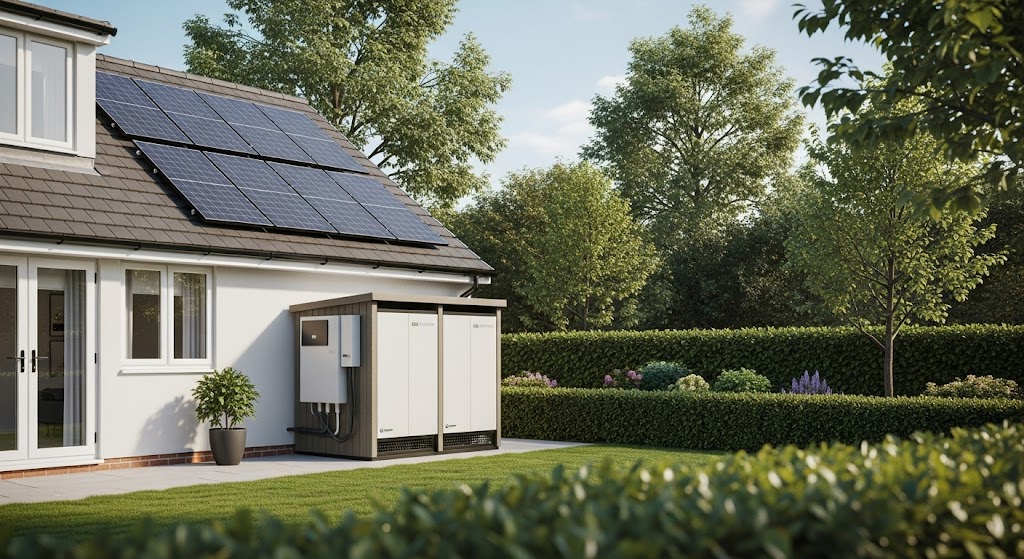
Battery storage allows you to store surplus electricity generated by your solar panels rather than exporting it back to the grid. This energy can then be used later in the day, such as in the evening when your panels are no longer producing power.
Most domestic battery systems are lithium-ion based and come with monitoring platforms that allow you to track charge levels, energy usage, and overall savings. Upvolt’s Skygate® platform offers real-time visibility into your system’s performance, helping you make informed decisions and maximise the value of your solar and battery setup. This level of insight allows you to rely less on external electricity sources and get the most from your energy investment.
Pros of Battery Storage for Kent Households
Adding a battery to your residential solar panel setup in Kent can significantly improve how your home generates, stores, and uses electricity. When paired with an efficient solar PV system, a battery helps increase energy independence, reduce grid reliance, and protect against rising electricity costs.
Below are some of the key benefits of integrating battery storage into your solar system:
Greater Energy Independence
Battery storage gives you more control over your energy use. Instead of relying solely on the grid, you can store and consume your own solar energy, which is especially useful during peak pricing hours or in times of grid instability.
This shift not only protects you from rising energy costs but also supports a more resilient, self-sufficient household. In fact, according to National Energy Action, adding a 6kWh battery can boost your solar self-consumption rate from around 20–30% to over 70%, dramatically reducing dependence on the grid.
Backup Power During Outages
Certain battery systems can provide backup electricity during a power cut, keeping essential appliances like fridges and lighting running. While not all batteries have this capability, it’s an important feature for homes in rural Kent areas where outages are more likely.
This added reliability offers peace of mind and can be a valuable safety net during extreme weather or infrastructure failures.
Protection Against Rising Energy Prices
With UK energy prices continuing to fluctuate, storing your own electricity helps shield you from unpredictable rate increases. Between April and June 2025, the energy price cap for a typical household rose by 6% to £1,849 per year—an increase of £159 compared to the same period in 2024.
Using stored energy during peak-rate periods allows you to avoid paying premium prices from the grid. Over time, this can translate into meaningful savings, particularly for households with higher evening energy usage.
Supports Time-of-Use Tariffs
Battery systems can work alongside smart meters and time-of-use tariffs, such as Octopus Agile, allowing you to charge the battery when grid electricity is cheapest and discharge it during high-rate periods. This strategy helps reduce reliance on peak-rate grid power and increases your ability to shift energy use to more cost-effective times of day.
With Upvolt’s Skygate® platform, this process becomes fully automated. Skygate® monitors real-time electricity pricing and intelligently schedules when to charge your battery—ensuring you benefit from the lowest available rates, including periods of negative pricing. It also prioritises the use of your own solar energy first, maximising self-consumption and system efficiency.
Cons of Battery Storage for Kent Households
While battery storage offers significant benefits, it’s important to weigh them against the potential drawbacks. For some Kent households, the high cost and long return period may not justify the investment—at least not yet.
High Upfront Cost
Battery storage remains a relatively expensive upgrade. A typical solar panel system in Kent with integrated battery storage can cost up to $18,000, depending on the capacity, brand, and complexity of the installation.
While prices are gradually falling as technology advances and adoption increases, the initial investment can still be a barrier for many Kent households. Exploring available grants or flexible payment options with a trusted provider like Upvolt can help reduce the financial burden and make the transition more manageable.
Longer Return on Investment
Unlike solar panels alone, which often have a payback period of up to 12 years, a solar panel system with battery storage may take longer (up to 14 years) to recoup your investment, especially if your energy consumption is low or inconsistent.
To maximise return, households should aim to use stored electricity during peak-rate periods (typically between 4pm and 7pm), avoid drawing power from the grid when prices are highest, and schedule high-consumption appliances—such as washing machines, dishwashers, or EV chargers—to run when solar generation is strong or battery levels are high.
With Upvolt’s Skygate® platform, this scheduling can be automated, ensuring appliances operate at the most cost-effective times and boosting your overall system efficiency.
Not Always Necessary
For homes on favourable Smart Export Guarantee (SEG) tariffs, exporting excess energy to the grid might offer better financial returns than storing it. If your home uses little electricity during peak hours, you may not benefit much from a battery.
In these cases, the added cost may not deliver the value you’re expecting in the short or medium term.
Space and Installation Requirements
Batteries are typically wall-mounted or floor-standing units and require adequate indoor space—often in a utility room or garage. Some models also require ventilation or additional safety measures.
Not all homes have the layout to accommodate this equipment easily, which can complicate installation or limit your system options.
Is Battery Storage Right for Your Kent Home?
Whether or not battery storage is right for your home depends on your energy usage patterns, tariff structure, and long-term goals. Some households will benefit greatly, while others may find the costs outweigh the advantages.
You’re more likely to benefit from a battery if you use most of your electricity in the evening, want greater control over your energy consumption, or live in an area with frequent outages or limited grid reliability. Households on flexible tariffs that reward smart energy use may also see quicker returns.
An energy audit or consultation with a solar professional can help assess whether battery storage is a smart investment for your specific home.
About Upvolt
At Upvolt, we go beyond standard installations to design custom solar and battery systems tailored to your property and energy goals. We assess your current energy usage, recommend the right battery size and model, and handle the entire process—from consultation to installation.
With our Skygate® platform, you’ll also have access to live data, including energy generation, storage levels, and usage patterns—making it easy to monitor and maximise your savings.
Ready to take the next step? Get a personalised quote for a solar panel and battery storage system designed specifically for your Kent home.
FAQ
What is the main benefit of adding a battery to my solar system?
A battery lets you store solar energy for later use, reducing reliance on the grid and helping you save money during peak-rate periods.
How much does battery storage typically cost in Kent?
The total cost for a solar panel system with integrated battery storage in Kent can reach up to £18,000, depending on system size and installation complexity.
Can I use battery storage during a power cut?
Some battery systems offer backup power features, but not all do—be sure to choose a model that supports this if backup is important for your home.
Will a battery reduce my energy bills?
Yes, if used strategically—especially with tools like Upvolt’s Skygate®—battery storage can cut your bills by avoiding expensive grid electricity during peak hours.
Do I need a lot of space to install a battery?
Batteries are usually installed indoors, such as in a garage or utility room, and require space, ventilation, and sometimes additional safety measures.

Alex Lomax
CEO & Co-Founder
Share article


Share article