-
Now live! Generate even more savings with our Skygate system. Click here to learn more.

On this page
- When Solar Panel Replacement Is Necessary
- How Solar Panel Replacement Works
- Can You Replace Panels Without Changing The Entire System?
- Key Considerations Before Replacing Solar Panels
- What Happens To Old Solar Panels After Replacement
- How Upvolt Helps Homeowners Replace Solar Panels Safely And Efficiently
- Let’s Recap
- About Upvolt
- FAQ
Solar Photovoltaic
13 mins read
Can Solar Panels Be Replaced?
22 Apr 2026When solar panels should be replaced and how upgrades improve system performance.
Take the first step toward energy independence today.
get a quote
On this page
- When Solar Panel Replacement Is Necessary
- How Solar Panel Replacement Works
- Can You Replace Panels Without Changing The Entire System?
- Key Considerations Before Replacing Solar Panels
- What Happens To Old Solar Panels After Replacement
- How Upvolt Helps Homeowners Replace Solar Panels Safely And Efficiently
- Let’s Recap
- About Upvolt
- FAQ
Solar panels don’t last forever, and more importantly, they don’t perform at the same level throughout their lifespan. If your system is older, underperforming, or built with outdated technology, replacing or upgrading it can significantly improve how much energy you generate and how much you save.
The challenge is knowing when replacement is actually worth it, and whether you need a full system upgrade or just targeted improvements.
In this article, we’ll break down when solar panels should be replaced, what the process looks like, and how to decide the most cost-effective way to upgrade your system.

13 min read
On this page
- When Solar Panel Replacement Is Necessary
- How Solar Panel Replacement Works
- Can You Replace Panels Without Changing The Entire System?
- Key Considerations Before Replacing Solar Panels
- What Happens To Old Solar Panels After Replacement
- How Upvolt Helps Homeowners Replace Solar Panels Safely And Efficiently
- Let’s Recap
- About Upvolt
- FAQ
Key Takeaways
- Solar panels can last 25+ years, but declining efficiency and outdated technology can reduce their value long before they stop working.
- Not all systems need full replacement; targeted upgrades, like inverter swaps or panel replacements, can often improve performance.
- Compatibility, roof condition, and certification are critical factors when planning any solar panel removal or upgrade.
- A well-planned replacement can significantly increase energy output, improve reliability, and deliver stronger long-term savings.
When Solar Panel Replacement Is Necessary
Solar panels are built to last, but they don’t perform at peak levels forever. Over time, wear, damage, and outdated technology can reduce how much value your system delivers.
The key isn’t just whether your panels still work; it’s whether they’re still performing well enough to justify keeping them. In many cases, upgrading can significantly improve output, efficiency, and long-term savings.
Panels Reaching End Of Lifespan
Most solar panels are designed to last 25+ years, but their performance gradually declines.
As panels age:
- Efficiency drops by around 0.5–0.8% each year
- Energy output becomes less consistent
- More electricity needs to be imported from the grid
If your system is producing noticeably less than it used to, replacement may be the most effective way to restore performance. Modern panels, like Upvolt’s monofacial full-black solar modules, have market-leading efficiency of up to 24.5%, meaning you can generate more energy from the same roof space.
System Damage Or Performance Decline
Not all performance issues are caused by age. Physical damage or environmental factors can also reduce output.
Common issues include:
- Cracked or degraded panels
- Shading from trees or nearby structures
- Dirt, debris, or weather-related wear
Even small losses in performance can add up over time. A professional inspection will determine whether a targeted repair is enough or if replacement will deliver better long-term value.
Outdated Or Incompatible Equipment
Solar technology has advanced rapidly, and older systems can struggle to keep up.
If your system includes:
- Older inverters with lower efficiency
- Panels with significantly lower output ratings
- Components that aren’t compatible with modern upgrades
Then you may be missing out on substantial gains. In some cases, upgrading key components or replacing the system entirely can unlock much higher performance and better integration with newer technologies like battery storage.
Signs Your System May Need Attention
If your system is underperforming or showing signs of wear, the indicators below can help identify whether it needs inspection, repair, or full replacement.
| Indicator | Common Cause | Recommended Action |
| Low energy output | Panel degradation or shading | Professional inspection |
| Physical damage | Weather or impact | Repair or replacement |
| Inverter failure | Age or incompatibility | Component upgrade |
| System age | 20–25+ years | Full system review |
How Solar Panel Replacement Works
Replacing solar panels isn’t just a simple swap; it’s a carefully managed process designed to improve performance, ensure safety, and bring your system up to modern standards. From assessment through to commissioning, each stage is planned to minimise disruption while maximising long-term output.
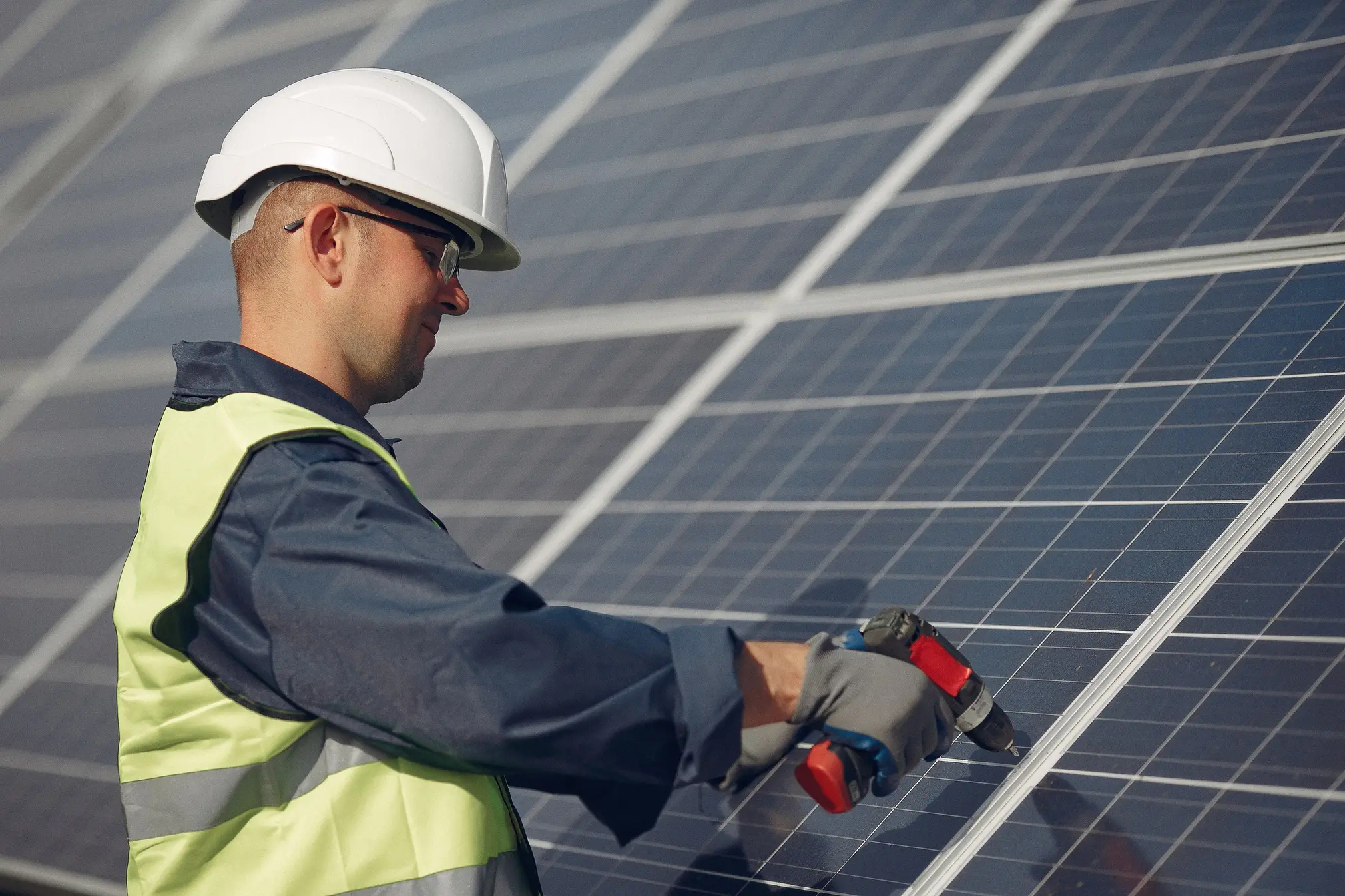
Removing Existing Panels Safely
The process begins by fully isolating your system from the electrical supply. This ensures safe working conditions and prevents any risk of electrical faults during removal.
Technicians then dismantle the panels, mounting hardware, and any affected components with precision. Care is taken to protect the roof structure, waterproofing, and existing fixings where possible. At this stage, the condition of the roof and mounting system is also reassessed to confirm that it can support the upgraded installation.
Installing New Panels And Components
Once the system is cleared, new panels are installed based on your current energy usage and future requirements. This is where the biggest performance gains are typically realised.
The installation may also include:
- Upgrading mounting systems to meet current standards
- Replacing inverters or adding optimisers for better efficiency
- Reconfiguring the system layout to improve generation
Modern panels are more efficient and durable, meaning you can often generate more electricity from the same roof space while improving reliability in UK weather conditions.
Reconnecting To The Electrical System
After installation, the system is reconnected and fully tested before going live. This stage ensures everything is operating safely, efficiently, and in line with current regulations.
Key checks include:
- Electrical safety and system integrity
- Output and performance verification
- Compliance with grid connection requirements
Once complete, you’ll receive updated certification and performance documentation. This gives you a clear understanding of your system’s expected output and confirms that everything is operating as intended.
Can You Replace Panels Without Changing The Entire System?
In many cases, you don’t need a full system replacement to improve performance. The right approach depends on the condition of your existing setup and your long-term goals.
Reusing Existing Mounting And Wiring
If your mounting system and wiring are still in good condition, they can often be reused.
This helps:
- Reduce installation costs
- Minimise disruption
- Speed up the upgrade process
However, everything must be assessed to ensure it can safely support newer, often more powerful panels.
Upgrading Individual Components
Sometimes, the biggest gains come from upgrading key components rather than the panels themselves.
For example:
- A new inverter can improve energy conversion efficiency
- Adding battery storage can increase self-consumption
- Optimisers can improve performance in shaded conditions
These targeted upgrades can extend the life and value of your system without a full replacement.
When Full System Replacement Is Required
A full replacement is usually the best option when systems are significantly outdated or underperforming.
This is often the case when:
- Panels are nearing end of life
- Technology is no longer compatible with modern upgrades
- Repairs become more costly than replacement
While the upfront cost is higher, a full replacement can deliver the strongest long-term return through improved efficiency and performance.
Upgrade Options At A Glance
The table below outlines the main upgrade options available and when each approach is most appropriate, depending on your system’s condition and performance goals.
| Upgrade Type | Primary Benefit | Best For |
| Partial Upgrade | Lower upfront cost | Minor performance improvements |
| Inverter Upgrade | Better energy conversion | Ageing or inefficient systems |
| Full Replacement | Maximum efficiency | Old or heavily degraded systems |
The right decision comes down to performance, cost, and long-term value. In many cases, upgrading isn’t just about fixing problems; it’s about unlocking significantly better returns from your solar investment.
Key Considerations Before Replacing Solar Panels
Replacing your solar panels is a significant upgrade, not just a maintenance task. Done right, it can dramatically improve performance and long-term savings. Done poorly, it can lead to compatibility issues, unnecessary costs, or lost efficiency.
Before moving forward, it’s important to assess how your new system will integrate with your existing setup and future plans.
System Compatibility And Inverter Capacity
Your inverter plays a critical role in how effectively your system performs. When replacing panels, compatibility with your existing inverter must be carefully checked.
If new panels exceed your inverter’s capacity or operate at different specifications:
- System efficiency can drop
- Output may be limited or capped
- A full inverter upgrade may be required
If you’re considering battery storage, this becomes even more important. Many modern battery systems require hybrid inverters that can manage both solar generation and stored energy. Ensuring everything works together as a single system avoids costly rework later.
Warranty And Certification Implications
Solar panel removal and replacement can impact your warranties and certification status if not handled correctly.
In the UK, maintaining MCS (Microgeneration Certification Scheme) compliance is essential for:
- System performance assurance
- Eligibility for export payments
- Long-term reliability and safety
Before making changes:
- Check whether existing warranties remain valid after upgrades
- Ensure all new components meet UK standards
- Keep full documentation of any modifications
Working with a certified installer ensures your system remains compliant and protected.
Roof Condition And Future Plans
Your roof is the foundation of your solar system, so its condition should always be assessed before replacement.
If your roof is nearing the end of its lifespan:
- It’s more cost-effective to carry out roofing work before reinstalling panels
- You avoid paying for solar panel removal and reinstallation twice
It’s also important to think long-term. If you plan to expand your system or add storage later, your roof structure, space, and load capacity need to support that from the outset.
What Happens To Old Solar Panels After Replacement
Old panels still have value, even after they’ve been removed. The next step is deciding whether they’re recycled, reused, or responsibly disposed of, each option affecting both cost and environmental impact.
Recycling And Disposal Options
Most modern solar panels are designed with recyclability in mind, with a large proportion of materials able to be recovered and reused.
These include:
- Glass for construction and manufacturing
- Aluminium frames for new products
- Silicon for advanced electronics
Handled correctly, this process prevents panels from ending up in landfill and ensures valuable materials are kept in circulation.
Reusing Panels In Other Installations
Even if panels are no longer performing at their peak, they can still generate usable electricity.
They are often repurposed in:
- Smaller residential systems
- Off-grid or low-demand applications
- Community and commercial projects
This extends their usable life and allows others to benefit from renewable energy at a lower cost.
Environmental Impact Of Replacement
A well-planned upgrade improves both system performance and environmental impact.
By installing more efficient panels and managing disposal responsibly:
- More clean energy is generated from the same roof space
- Overall carbon emissions are reduced
- The full lifecycle value of your system is maximised
A solar upgrade isn’t just about better performance today, it’s about ensuring your energy system continues to deliver value sustainably over the long term.
Stay Connected with Upvolt
Get the latest updates on energy innovations, smart solutions, and exclusive offers.
How Upvolt Helps Homeowners Replace Solar Panels Safely And Efficiently
Upgrading your solar system isn’t just about swapping panels, it’s about making sure every change improves performance, reduces risk, and delivers long-term value.
Upvolt takes a fully managed approach, handling everything from initial assessment through to installation, so your system works better, not just newer.
Assessing Whether Replacement Is Necessary
Not every system needs to be replaced. In many cases, targeted upgrades or repairs can restore performance without the cost of a full replacement.
Upvolt starts by analysing how your system is actually performing:
- Is output lower than expected?
- Are components limiting efficiency?
- Would new panels deliver meaningful gains?
This ensures you only invest where it genuinely improves return, not where it simply adds cost.
Designing Systems That Fit Existing Installations
One of the biggest challenges with upgrades is compatibility. New panels, inverters, and batteries need to work seamlessly with what’s already in place.
Upvolt designs systems around your existing setup wherever possible, ensuring:
- Efficient integration with current mounting and wiring
- Compatibility with inverters and future upgrades
- Minimal disruption during installation
The result is a system that performs as a whole, rather than a mix of mismatched components.
Managing Safe Removal And Installation
Solar panel removal and installation require precision, both for safety and for protecting your property.
Upvolt manages the entire process:
- Safe isolation and removal of existing panels
- Careful handling to protect roof structure and fixings
- Professional installation of new components to current standards
Everything is handled end-to-end, so you don’t have to manage multiple contractors or worry about technical risks.
Ensuring Compliance With UK Standards
Every upgrade must meet strict UK safety, electrical, and certification requirements. This isn’t just about compliance, it directly impacts performance, reliability, and eligibility for export payments.
Upvolt ensures:
- Full alignment with MCS and UK regulations
- Proper certification and documentation
- Long-term system safety and reliability
With the right design, installation, and compliance in place, your upgraded system doesn’t just meet standards, it delivers consistent, measurable value over time.
Let’s Recap
Solar panel replacement isn’t just about whether your system still works, it’s about whether it’s still delivering value.
If your panels are ageing, damaged, or no longer compatible with modern technology, upgrading can unlock better efficiency and higher energy output. In many cases, you don’t need a full replacement, but when systems are outdated or underperforming, a full upgrade often delivers the strongest return.
The key is making the right decision based on performance, cost, and long-term plans. With the right approach, replacing your solar panels can turn an ageing system into a far more efficient and valuable energy asset.
About Upvolt
Upvolt helps homeowners make confident, data-driven decisions about upgrading their solar systems. By analysing real performance, system condition, and energy usage, Upvolt identifies whether replacement, repair, or targeted upgrades will deliver the best return.
From safe solar panel removal through to system redesign and installation, every step is managed to ensure your upgraded system performs efficiently, integrates seamlessly, and meets UK standards.
With ongoing monitoring through Skygate®, you can track performance over time and see exactly where your energy savings are coming from.
If you’re considering replacing or upgrading your solar panels, Upvolt can show you what will deliver the strongest return based on your current system. Fill in our online form to get started.
FAQ
How long do solar panels last before I need to consider a replacement?
Solar panels typically last 25–30 years, but their performance gradually declines over time. Most systems lose around 0.5–0.8% efficiency each year, meaning they still work, just not as effectively. If your output has noticeably dropped or your system is outdated, replacing panels with newer, more efficient models can significantly improve savings.
Can I mix old and new panels in my existing solar power system?
Yes, but it needs careful design to avoid performance issues. New and old panels often have different output levels, which can reduce overall efficiency if not managed properly. In many cases, upgrades like a new inverter or power optimisers are needed to ensure everything works together effectively.
What should I do if my roof needs repairs or a full roof replacement?
If your roof needs work, it’s best to address this before reinstalling or upgrading your solar panels. Removing and reinstalling panels adds cost, so combining roofing work with a solar upgrade is often more efficient. Planning both together helps avoid disruption and ensures your system is installed on a secure, long-lasting structure.
Will replacing my solar panel system help me cut my energy costs further?
In many cases, yes. Modern panels are far more efficient, meaning you can generate more electricity from the same space. If combined with battery storage, you can also use more of your own energy, reducing reliance on the grid and lowering long-term energy costs.
Is the process of solar PV panel removal safe for the environment?
When handled properly, solar panel removal is highly sustainable. Most materials, including glass, aluminium, and silicon, can be recycled, and some panels can be reused in other installations. This ensures your upgrade continues to support clean energy goals, even at the end of your system’s lifecycle.

Alex Lomax
CEO & Co-Founder
Share article


Share article