-
Now live! Generate even more savings with our Skygate system. Click here to learn more.

Solar Photovoltaic
7 mins read
Do Solar Panels Work in All Seasons in Cambridgeshire?
13 Aug 2025Discover the year‘round performance of solar panels in Cambridgeshire, from peak summer generation to efficient winter output. Learn how battery storage and high‘efficiency panels help maintain strong performance year‘round, reduce energy bills, and lower your carbon footprint.
Take the first step toward energy independence today.
get a quote
A key consideration when looking at installing solar panels on your Cambridge property is how they perform throughout the year. The UK's varied climate means sunlight levels change with the seasons, which can affect how much electricity a system produces. Modern photovoltaic (PV) energy systems are built to operate in a range of weather conditions, but understanding seasonal performance is important when assessing their potential benefits. In this article, we will look at how solar panels perform across the seasons, how weather conditions influence output, and how battery storage can help maintain consistent energy generation year‘round.

7 min read
On this page
Key Takeaways
- Solar PV panels in Cambridgeshire can generate electricity year‘round, even in cloudy or low‘light conditions.
- Seasonal changes affect solar power output, but cooler temperatures in spring and autumn help maintain high efficiency.
- Battery storage allows households to use more of their own electricity and reduces reliance on the grid during lower‘output months.
- High‘efficiency panels can capture a broader spectrum of light, maximising generation and helping reduce carbon emissions over time.
How Solar Panels Generate Power in the UK Climate
Photovoltaic technology works by converting sunlight into electricity via the photovoltaic effect. When photons from sunlight strike a panel’s surface, its semiconductor layers (typically silicon) absorb that light energy, releasing electrons and creating an electrical current.
Thanks to advancements in PV technology, panels can generate power from both direct sunlight and diffuse light on overcast days. While output is highest under clear skies, energy production can drop by 10–25% during light cloud cover and up to 50% during heavy overcast conditions.
Average Performance by Weather Condition:
| Climate Condition | Solar Panel Efficiency | Energy Generation Potential |
| Bright Sunshine | Maximum | 100% Output |
| Light Cloud Cover | Slight Reduction | 75–90% Output |
| Heavy Overcast Skies | Significant Reduction | 50% Output |
Seasonal Solar Panel Performance in Cambridgeshire
Cambridgeshire receives an average of 1,500 hours of sunshine annually, providing strong potential for solar energy generation. Even in summer, average high temperatures in the region typically reach only 22°C, which is favourable for PV efficiency. These mild conditions are ideal for panel performance, as efficiency can drop by 0.4–0.5% for every 1°C above 25°C.
While output varies with the seasons, modern solar energy systems are designed to maintain consistent performance year‘round.
Spring – Increasing Daylight, Strong Output
Between March and May, daylight hours rise from around 11 to 16 per day, and average temperatures range between 6°C and 18°C. These cooler conditions help panels operate efficiently, so even with slightly less intense sunlight than summer, overall generation can be high.
Summer – Peak Solar Generation
June to August brings the longest days of the year, with up to 18 hours of daylight and average monthly sunshine of 180-200 hours. While total generation is highest in summer due to strong solar irradiance, average temperatures of 18–22°C help maintain strong panel performance without significant heat‘related losses. This is also the best season to store surplus energy for later use via battery storage.
Autumn – Shorter Days, Stable Efficiency
From September to November, daylight hours shorten to around 8–13 hours per day, reducing the total amount of sunlight available. However, cooler temperatures during this period help panels perform closer to their optimal level, which can offset some of the seasonal drop in sunlight. As a result, early autumn can still provide solid electricity generation, especially for well‘positioned, south‘facing systems.
Winter – Short Days, High Instantaneous Efficiency
December to February is the lowest generation period, with 7–8 hours of daylight. Solar panel output decreases by around 83% in the winter compared to the summer, primarily due to shorter days and lower solar irradiance. However, panels can still perform well on clear, sunny days, and well‘positioned systems can continue to supply part of a household’s electricity needs during this season.
Stay Connected with Upvolt
Get the latest updates on energy innovations, smart solutions, and exclusive offers.
How High-Quality Panels and Battery Storage Balances Seasonal Output
Seasonal changes in sunlight can affect how much electricity your solar panels produce, but a well‘designed solar panel installation in your Cambridgeshire home can maintain strong generation across the year. Pairing high‘efficiency panels with battery storage helps capture surplus summer production and use it during the evenings or in the lower‘output months of autumn and winter.
Maximising Energy Use with Battery Storage
Battery storage is one of the most effective ways to maximise the value of a solar panel system in Cambridgeshire. It captures surplus electricity produced during high‘generation periods and stores it for use in the evenings or during the lower‘output months of autumn and winter.
This helps smooth out seasonal variations in solar panel efficiency, ensuring that energy generated in peak conditions continues to benefit your household year‘round.
According to the Energy Saving Trust, self‘consumption rates typically rise from around 30% to 70% with battery storage. This stored energy helps shield you from greater reliance on grid electricity in the winter months, when output is naturally lower.
High‘Efficiency Panels for Year‘Round Generation
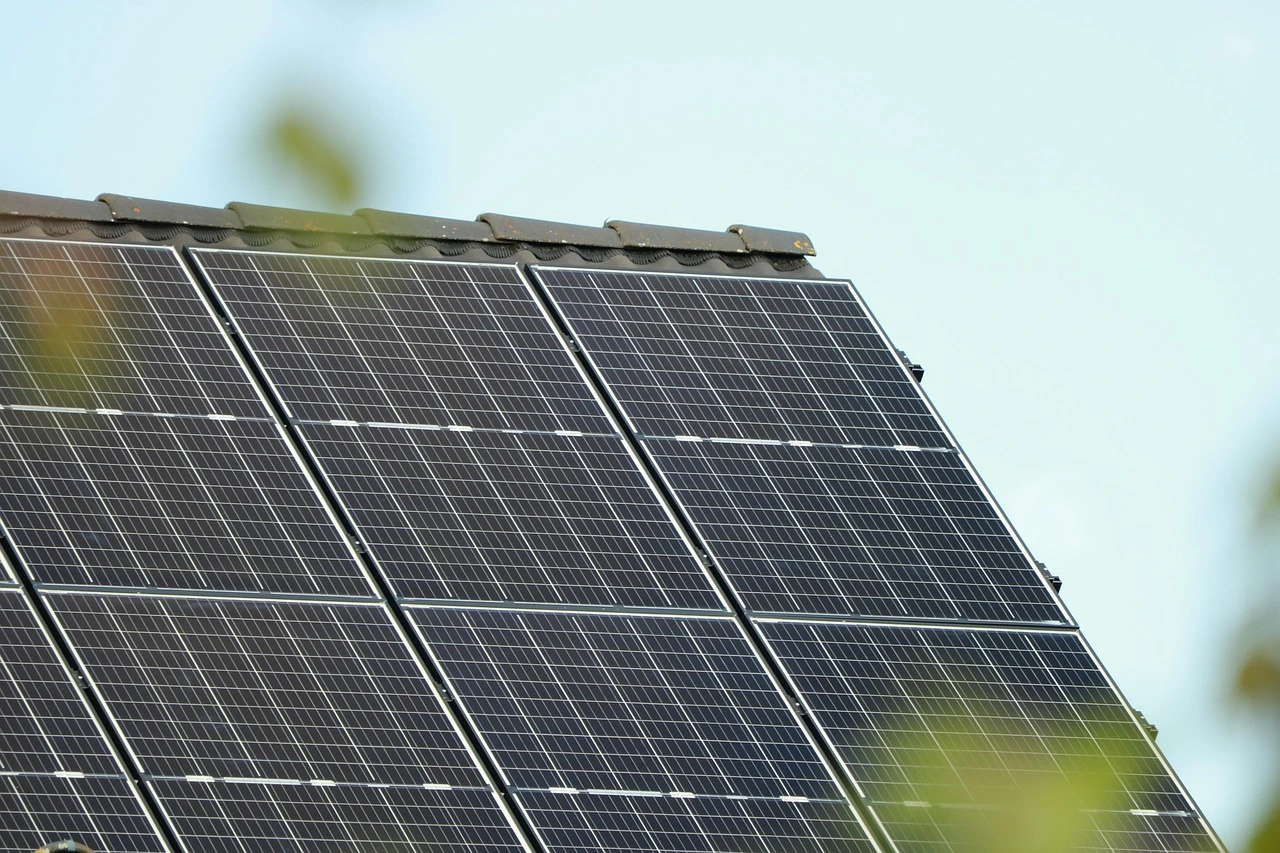
Upvolt installs monofacial full‘black solar modules with outputs from 460W and above, offering market‘leading efficiency of up to 23.6% and backed by a 30‘year performance warranty. These premium panels capture a broader spectrum of light, enabling stronger generation in varied conditions, including cloudy or low‘light days, often experienced in Cambridgeshire outside of summer.
| If you are considering solar panel installation, our guide on solar panels in Cambridgeshire explains everything, from selecting the right system for your roof to maximising year‘round performance. |
Let’s Recap
Solar photovoltaic panels provide consistent, long‘term benefits for Cambridgeshire households, delivering clean solar power across all seasons. While output is highest in summer, the efficiency advantages of cooler months, combined with battery storage, allow for greater self‘consumption and reduced dependence on the grid.
High‘efficiency panels enhance generation in variable weather, helping to offset energy bills, lower carbon emissions, and provide reliable renewable energy throughout the year. Choosing the right technology and setup ensures your system delivers maximum value and energy security for years to come.
About Upvolt
Upvolt is a bespoke solar panel installer delivering renewable energy solutions designed for the region’s climate and seasonal performance. We specialise in high‘efficiency, full‘black monocrystalline panels rated from 460W and above, backed by a 30‘year performance warranty to ensure long‘lasting value.
Our service covers every stage of your solar journey, from comprehensive energy assessments and custom system design to professional solar installation and ongoing maintenance, ensuring your panels continue to perform at their best.
With our Skygate® smart monitoring platform, you can track energy generation, household usage, and export earnings in real time, helping you maximise your return on investment while lowering your carbon footprint.
Get your free, no‘obligation quote today and see how much you could save on energy bills with a solar system built for year‘round performance in Cambridgeshire.
FAQ
What benefits does solar energy offer for Cambridge homes?
Solar energy can reduce electricity bills, lower your carbon footprint, and provide greater energy independence. In Cambridge, solar PV panels can perform well year‘round, generating clean power even in cloudy conditions and helping protect against rising energy costs.
Is solar panel installation on your Cambridge property worth it?
For many households, yes. Cambridgeshire receives an average of 1,500 hours of sunshine annually, which supports strong solar generation. When combined with battery storage and the Smart Export Guarantee, the long‘term savings and environmental benefits often outweigh the initial investment.
Do solar PV panels work in the rain?
Yes. Rain does not stop solar panels from producing electricity. While output is reduced compared to sunny days, panels can still generate power from diffused light. In fact, rainfall can help clean the panels, improving efficiency once the weather clears.
Are solar batteries worth the additional cost?
In many cases, yes. Battery storage allows homeowners to store excess electricity generated during the day and use it in the evening or during lower‘generation months. This increases self‘consumption and reduces reliance on grid electricity.
How do I choose a reliable solar panel installer in Cambridgeshire?
Look for an MCS‘certified solar installer with a proven track record in the area, positive customer reviews, and clear warranty terms. A reliable installer will also offer a site assessment, provide transparent pricing, and recommend a system tailored to your property’s energy needs.

Alex Lomax
CEO & Co-Founder
Share article


Share article