-
Now live! Generate even more savings with our Skygate system. Click here to learn more.

On this page
Solar Photovoltaic
14 mins read
How Community Solar Works In The UK
17 Mar 2026How shared solar projects generate electricity and deliver benefits to participating households.
Take the first step toward energy independence today.
get a quote
On this page
Community solar projects are expanding access to renewable energy across the UK. Instead of installing solar panels on individual properties, these schemes allow multiple households and organisations to benefit from electricity generated by a shared solar installation.
In this article, we explain how community solar works in the UK, how participants receive energy credits or savings, who can join these projects, and the benefits and limitations of shared solar schemes.

14 min read
On this page
Key Takeaways
- Community solar allows multiple households to benefit from electricity generated by a shared solar installation.
- Participants typically receive energy bill credits, savings, or investment returns based on their share of the project.
- Community solar projects make renewable energy accessible to renters, apartment residents, and homes without suitable roofs.
- Local cooperatives, community energy groups, and energy suppliers often organise and manage these shared solar schemes.
What Community Solar Means
Community solar makes renewable energy accessible to people who can’t install solar panels on their own homes. Instead of installing a private system, individuals subscribe to or invest in a shared solar project that generates electricity for multiple households.
This approach allows renters, apartment residents, and homeowners with unsuitable roofs to benefit from solar power without purchasing and installing equipment themselves. By participating in a shared solar project, households can support renewable energy while potentially reducing their electricity costs.
Shared Solar Energy Projects
Community solar projects are typically developed and managed by energy suppliers, cooperatives, or community organisations that build and operate the shared solar installation.
For example, the UK government is investing £1 billion through the Local Power Plan to support community-owned, shared solar projects, focusing on public buildings like libraries and schools.
Local Energy Generation
Community solar projects generate electricity close to where it is used, helping strengthen local energy systems.
Producing energy locally can reduce transmission losses, support regional energy resilience, and keep more energy spending within the local economy. Communities that invest in shared renewable infrastructure can also improve long-term energy stability and reduce dependence on external energy sources.
As more communities adopt shared solar systems, local renewable energy generation becomes an increasingly important part of the transition to cleaner power.
Community Participation Models
There are several ways individuals can participate in a community solar project, depending on the structure of the scheme.
| Participation Model | Description | Benefits |
| Direct Ownership | Participants purchase a share of the solar installation and receive a portion of the electricity generated. | Long-term savings and potential financial returns. |
| Subscription Services | Households subscribe to a portion of the energy produced by the project. | Lower electricity bills without installation or upfront costs. |
| Community Investment | Members invest in the solar project through shares, bonds, or cooperative schemes. | Financial returns while supporting local renewable energy development. |
Each model offers a different way to participate in the growth of renewable energy while helping expand access to solar power.
How Community Solar Projects Work
Community solar projects operate by generating electricity from a shared solar installation and allocating the energy output among participating households through billing credits or energy subscriptions.
Solar Generation From Shared Sites
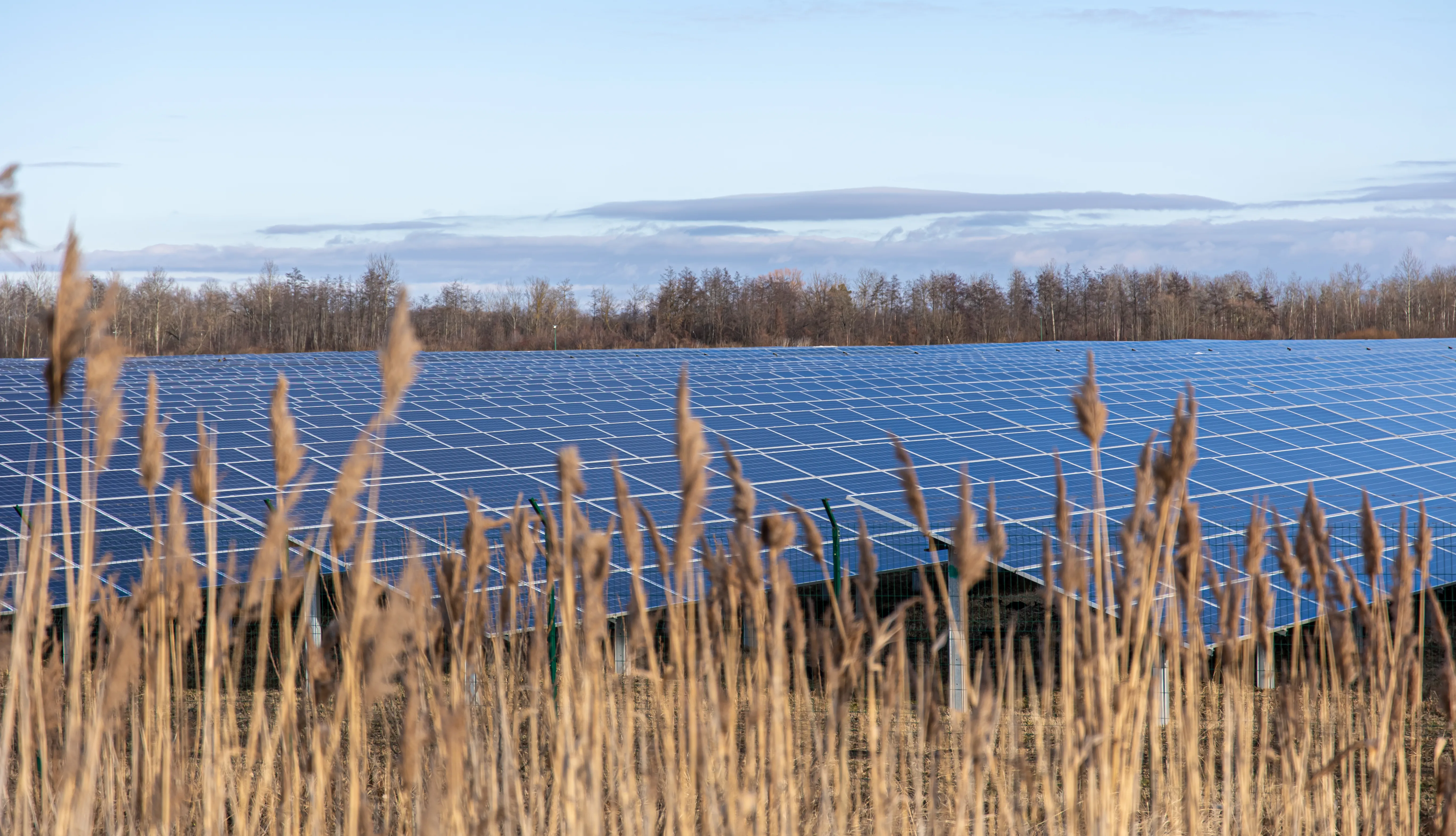
Community solar systems are installed in locations chosen for strong sunlight and efficient energy production. These installations may be placed on school rooftops, commercial buildings, unused land, or purpose-built solar farms.
Solar panels convert sunlight into electricity, which is then fed into the national grid. From there, the energy becomes part of the wider electricity supply used by local homes and businesses.
A good example of this model can be seen in the village of Sheriffhales. The community operates a not-for-profit solar project run by local volunteers and owned by its members. Its 3.2 MW solar farm generates enough renewable electricity to power around 825 homes each year.
Allocating Electricity To Participants
Each participant is assigned a portion of the solar project’s output based on the share they subscribe to or invest in.
Advanced metering systems track how much energy the solar array produces and calculate each participant’s portion. This ensures the energy generated by the project is distributed fairly among members.
In most cases, households do not receive electricity directly from the solar panels themselves. Instead, they receive credits representing their share of the renewable energy produced.
Billing And Energy Credits
The energy produced by a community solar project typically appears on participants’ electricity bills as credits or savings.
Your regular energy supplier continues to provide electricity to your home, but the solar credits offset part of your consumption. This reduces the overall amount you pay for energy.
Depending on the project structure, benefits may include:
- reduced electricity bills
- energy bill credits
- returns on community investments
- long-term savings through shared renewable generation
By spreading the cost and benefits of solar across multiple households, community solar projects make renewable energy more accessible while supporting the transition to cleaner electricity.
Who Can Participate In Community Solar
Whether you own your home, rent a property, or represent a business or organisation, there are often ways to take part in a community solar project.
Participants typically include:
- Homeowners without suitable roofs
- Tenants and apartment residents
- Low-to-moderate income households
- Businesses and commercial organisations
- Schools, charities, and local councils
Community solar initiatives are often organised by energy providers, renewable developers, or community energy groups, making it easier for a wide range of participants to access solar power.
How To Join Community Solar Projects In The UK
Community solar projects in the UK are typically organised by local cooperatives, community energy groups, or energy suppliers.
Here are some common ways people join community solar projects.
Join A Local Energy Cooperative
Energy cooperatives are community-owned organisations that develop and manage renewable energy projects. Members can invest in or subscribe to a share of the energy produced.
Benefits often include:
- voting rights in how projects are managed
- opportunities to invest in local renewable infrastructure
- potential financial returns or energy bill savings
For example, Bath & West Community Energy operates multiple solar farms across the South West and allows community members to invest in and benefit from local renewable energy projects.
Participate In Community Energy Groups
Community energy groups develop renewable energy projects that directly benefit local residents. These initiatives are often supported by volunteers, local councils, and community organisations.
Ways to get involved include:
- searching online for community energy groups in your area
- attending local sustainability or energy events
- contacting local councils for information about community energy initiatives
Bristol Energy Cooperative has developed several community-owned solar installations across the city, allowing local residents to invest in and benefit from renewable energy projects.
Explore Supplier-Led Solar Schemes
Some energy companies also run renewable energy programmes that allow customers to participate in shared solar generation or community energy projects.
When evaluating supplier-led schemes, look for:
- clear information about where the solar project is located
- transparency around how energy savings or credits are distributed
- details about investment opportunities or subscription models
Benefits Of Community Solar
Community solar projects offer a practical way for households and organisations to access renewable energy without installing solar panels on their own property. By sharing the output of a larger solar installation, participants can support clean energy while gaining financial and environmental benefits.
Access To Renewable Energy
One of the biggest advantages of community solar is accessibility. Many people cannot install rooftop solar panels due to property ownership, roof suitability, or planning restrictions.
Community solar removes these barriers. Participants can benefit from solar power even if they rent their home, live in an apartment, or have a roof that isn’t suitable for solar panels. This makes renewable energy available to far more households.
Potential Energy Cost Savings
Community solar projects can help reduce electricity costs by allowing participants to benefit from the solar energy generated by the shared system.
Participants typically receive bill credits or savings based on their share of the electricity produced. Over time, these credits can help lower overall energy costs while providing more predictable electricity pricing compared to traditional grid energy.
Supporting Local Energy Projects
Joining a community solar initiative also helps strengthen local renewable energy development.
Many projects are run by local cooperatives or community groups, meaning investment stays within the region. This can support local jobs, fund community initiatives, and contribute to the UK’s transition toward cleaner energy.
By participating in community solar, households and organisations play a direct role in expanding renewable energy while supporting their local community.
Limitations Of Community Solar In The UK
Community solar offers an innovative way to expand access to renewable energy, but the model is still developing in the UK. While interest in shared solar projects continues to grow, several practical challenges can limit participation for households and organisations.
Understanding these limitations helps participants make informed decisions and highlights areas where policy and infrastructure improvements could expand access in the future.
Project Availability By Region
Community solar opportunities are not evenly distributed across the UK. Some regions have active community energy groups and multiple solar projects, while others have very few or none.
Availability often depends on factors such as:
- local renewable energy policies
- access to suitable land or rooftops for solar installations
- community investment and volunteer support
- support from local councils or energy providers
Regions with strong community energy networks tend to see more projects, while areas without these structures may have limited opportunities to participate.
Participation Requirements
Some community solar programmes have eligibility rules that can limit who can join. These requirements are usually designed to ensure projects remain financially viable or benefit local communities.
Common participation conditions may include:
- minimum investment levels, which can make participation harder for lower-income households
- local residency requirements, restricting participation to people living within a specific region
- subscription or membership criteria set by the project organisers
While many projects aim to be inclusive, these requirements can still create barriers for some potential participants.
Energy Allocation Constraints
Community solar systems generate a fixed amount of electricity, which must be shared between participants. As more households join a project, the amount of energy allocated to each participant may become smaller.
In addition, the way solar benefits appear on electricity bills can vary depending on the project structure and energy supplier. Participants may receive bill credits, savings, or investment returns rather than direct electricity from the solar installation.
Because of these variations, understanding how energy credits and billing work is important before joining a community solar scheme.
Community solar expands access to renewable electricity for households that cannot install panels themselves. For homes that do generate solar power, managing how that energy is used inside the home is another important part of making renewable electricity more effective.
Stay Connected with Upvolt
Get the latest updates on energy innovations, smart solutions, and exclusive offers.
How Upvolt Helps Homes Make The Most Of Solar Energy
As solar energy becomes a larger part of the electricity system through both community projects and household installations, managing how renewable electricity is used inside the home becomes increasingly important.
Upvolt designs integrated energy systems that help households make better use of solar electricity and other renewable energy sources. By combining advanced system design, battery storage, and real-time monitoring, homes can increase renewable energy use while reducing reliance on grid imports during peak demand periods.
These technologies help households understand when renewable electricity is available and how it can be stored or used more efficiently.
Energy System Design For Solar Homes
Effective use of solar energy begins with the right system design. Upvolt develops energy systems tailored to each property, taking into account factors such as:
- household electricity demand
- roof orientation and shading
- available installation space
- long-term energy goals
This approach helps households maximise renewable electricity use while supporting the broader transition to cleaner energy systems.
Battery Storage For Greater Self-Use
Solar panels generate the most electricity during daylight hours, but household energy demand often peaks in the evening. Battery storage helps bridge this gap by allowing renewable electricity generated earlier in the day to be used later when demand increases.
Upvolt integrates lithium iron phosphate battery storage systems that store excess solar generation and deploy it when needed. This increases the proportion of renewable electricity used within the home while reducing reliance on grid imports during peak demand periods.
EV Charger Integration
Electric vehicles are becoming an increasingly important part of household energy demand. Charging them efficiently requires coordination with the home’s wider energy system.
Upvolt integrates solar-optimised EV chargers that prioritise renewable electricity where available. Charging can be aligned with solar production or stored battery energy, helping households power both their home and transport with cleaner electricity.
As renewable generation from rooftop systems and community solar projects increases, smart EV charging allows households to use more of that clean electricity while reducing pressure on the grid during high-demand periods.
Skygate® Monitoring For Energy Insights
Understanding how energy flows through the home is essential as renewable electricity becomes a larger part of the energy system.
Upvolt’s Skygate® monitoring platform provides real-time visibility into solar generation, household electricity consumption, battery storage levels, and grid interaction. This allows households to see when renewable electricity is available and adjust their usage accordingly.
With better visibility into energy generation and consumption, households can make smarter decisions about when to use electricity, store it, or export it back to the grid. This helps connect individual solar systems with the broader renewable energy ecosystem that includes community solar projects across the UK.
Let’s Recap
Community solar projects provide a way for households and organisations to access renewable electricity without installing solar panels on their own property. Instead of individual systems, participants share the output of a larger solar installation located within their community.
These projects are often organised by energy cooperatives, community groups, or energy suppliers, with electricity generated from shared solar sites fed into the national grid. Participants then receive bill credits, savings, or investment returns based on their share of the energy produced.
Community solar makes renewable energy accessible to a wider range of people, including renters, apartment residents, and homeowners with unsuitable roofs. While availability still varies across regions, these projects continue to grow as communities look for new ways to support local renewable energy generation.
About Upvolt
Upvolt designs and installs integrated solar energy systems that help homes generate, store, and use renewable electricity more effectively. By combining tailored solar system design with battery storage, EV charging integration, and intelligent monitoring, Upvolt helps homeowners maximise the value of the energy their systems produce.
Our Skygate® monitoring platform provides real-time insights into solar generation, household consumption, battery storage levels, and grid interaction, allowing households to optimise how they use electricity throughout the day.
If you’re exploring solar for your home, fill out our short online form to discover how a tailored solar system could help you generate more renewable energy and reduce long-term electricity costs.
FAQ
Why is community solar cheaper?
Community solar can reduce electricity costs because a large shared solar installation generates renewable energy at scale. By spreading the installation and maintenance costs across many participants, the overall cost of solar power can be lower than installing individual rooftop systems. Participants typically receive bill credits or savings based on their share of the electricity produced.
Can renters join community solar projects?
Yes, renters can often participate in community solar projects. Because the solar panels are installed at a shared site rather than on an individual property, participants do not need to own their home or install equipment. Renters can subscribe to a portion of the energy generated and receive credits or savings on their electricity bills.
What are the disadvantages of community solar?
While community solar offers many benefits, there are some limitations. Availability can vary depending on the region, meaning not all households have access to local projects. Some schemes also require minimum investments or subscriptions, which may limit participation for certain households. In addition, participants typically receive bill credits rather than direct electricity from the solar installation.
How does community solar work in the UK?
Community solar projects generate electricity from a shared solar installation, such as a solar farm or rooftop system on a public building. The electricity is fed into the national grid, and participants receive energy bill credits, savings, or investment returns based on their share of the project. This allows multiple households to benefit from renewable energy without installing their own solar panels.
Who can participate in community solar projects?
Community solar projects are designed to be accessible to a wide range of participants. Homeowners, renters, businesses, charities, schools, and local councils can often join or invest in community solar schemes. Participation models may include subscriptions, community investment shares, or direct ownership of a portion of the solar installation.

Alex Lomax
CEO & Co-Founder
Share article


Share article