-
Now live! Generate even more savings with our Skygate system. Click here to learn more.

Solar Photovoltaic
13 mins read
How Solar Panels Work: A Simple Guide to Solar Energy
27 Mar 2025Solar panels provide a sustainable solution by converting sunlight into electricity, reducing reliance on traditional energy sources. With increasing government support and financial incentives, solar power is becoming a practical and eco-friendly choice for homeowners in the UK.
Take the first step toward energy independence today.
get a quote
As the world looks for cleaner options to replace traditional energy sources, solar panels offer a sustainable solution for generating power.

13 min read
On this page
Solar panels capture sunlight and convert it into usable electricity, providing an eco-friendly option compared to fossil fuels. With technology improving every year, solar energy is becoming more efficient and affordable, making it a practical choice for more people in the UK.
This article will break down how solar panels work, highlight their environmental and financial advantages, and guide you through the factors to consider before making the switch to solar energy.
Solar Panels: A Quick Overview
- Solar panels convert sunlight into electricity, offering a renewable and eco-friendly alternative to traditional energy sources.
- UK homeowners can save on energy bills, with government incentives and the Smart Export Guarantee (SEG) enhancing financial benefits.
- Installing solar panels can significantly reduce carbon emissions, contributing to a more sustainable future.
- The cost of solar installations is offset by long-term savings and potential increases in property value.
Why Solar Power?
Solar power is gaining significant traction in the UK, thanks to its numerous benefits for homeowners, businesses, and the environment. In fact, solar capacity is on the rise, with 1.1 GW added by the end of 2023 alone—the highest increase in six years.
Here are some key reasons why solar energy is becoming an increasingly popular choice:
Save Money on Electricity
With rising electricity prices, solar power provides a smart way to save money on energy bills. By generating their own electricity, homeowners can cut down their reliance on the grid and lower their overall costs.
On average, UK homeowners can expect to save between £140 and £340 per year on electricity bills, depending on factors such as system size, energy consumption, and sunlight exposure. Over time, these savings can make a significant financial impact.
Significant Reduction in Carbon Emissions
Solar power helps significantly reduce carbon emissions. The Energy Saving Trust estimates that a typical home solar installation can reduce carbon emissions by over a tonne annually—the same as cutting out 3,600 miles of driving or making 30 round trips between London and Bristol. Over the system’s 25 to 30-year lifespan, this could prevent 25 to 30 tonnes of COâ‚‚ from entering the atmosphere.
By choosing solar energy, homeowners contribute to the UK’s efforts to achieve net zero emissions by 2050, reduce reliance on fossil fuels, and improve overall air quality.
Increase in Property Value
Installing solar panels doesn’t just reduce your energy bills—it can also increase the value of your property. Homes with solar panels tend to see an average 4.1% increase in property value. For a property valued at £250,000, this could mean an increase of around £10,250.
Reduce Costs Further With Government Schemes and Financial Support
The UK government offers various financial incentives and support to make solar panels more affordable and encourage the transition to renewable energy. These incentives help reduce upfront costs and provide long-term financial benefits for homeowners.
Smart Export Guarantee (SEG)
The Smart Export Guarantee (SEG) allows homeowners to sell excess electricity generated by their solar panels back to the grid. Energy suppliers pay homeowners for each kilowatt-hour (kWh) of surplus electricity they export. For example, E.ON’s Next Export Exclusive tariff offers 16.5p per kWh, while British Gas provides 15.1p per kWh.
A standard 3.5kW solar panel system in the UK produces around 3,000 to 3,500 kWh of electricity per year. Based on typical household energy usage, homeowners may export approximately 1,000 to 1,500 kWh back to the grid. With an SEG rate of 15p per kWh, this could generate an additional income of £150 to £225 annually.
Zero VAT on Solar Panel Installations
To encourage more homeowners to adopt solar energy, the UK government removed VAT on solar panel installations until 2027. This means homeowners pay 0% VAT instead of the previous 5%, making installations more affordable. For an average £5,000 solar panel system, the VAT removal saves homeowners around £250.
ECO4 Scheme
The Energy Company Obligation (ECO4) scheme provides funding for energy-efficient home improvements, including solar panels, for eligible households. This initiative helps reduce energy costs and improve sustainability by supporting low-income homeowners in upgrading their energy systems.
The Key Components of a Solar Panel System
Each part of a solar panel system plays an important role in converting sunlight into usable electricity, and together they form a highly efficient system that can power your home sustainably.
Solar Panels (Photovoltaic Cells)
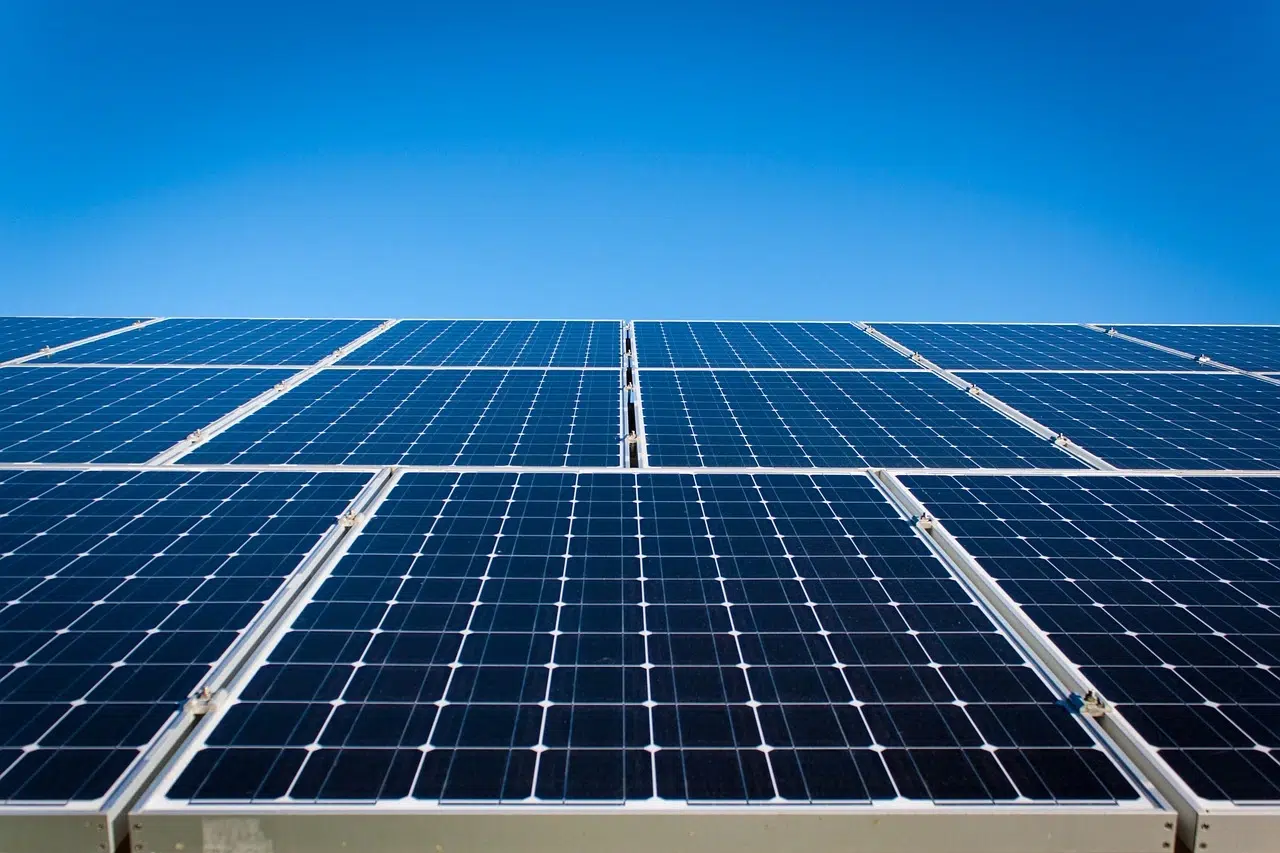
Solar panels are the core of any solar energy system. Made up of many individual solar cells, these panels capture sunlight and convert it into direct current (DC) electricity through the photovoltaic effect. Solar panels are made from materials like silicon, which are excellent at absorbing light and creating an electrical charge.
There are different types of solar panels available, including:
- Monocrystalline panels: These offer the highest energy output for the space they occupy.
- Polycrystalline panels: These are more affordable but typically slightly less efficient than monocrystalline panels.
- Thin-film panels: These are lightweight and flexible but generally offer the lowest efficiency and require more space.
Inverters
Inverters convert the DC electricity produced by the solar panels into alternating current (AC), the type of electricity used by most household appliances. Without inverters, the electricity generated by the solar panels wouldn’t be usable for home consumption.
There are two main types of inverters:
- String inverters: These connect a series of panels together and are the most common.
- Microinverters: These are installed on each individual solar panel, allowing each panel to work independently for improved performance and monitoring.
Battery Storage
Battery storage systems allow you to store excess electricity generated by your solar panels for use when the sun isn’t shining, such as during the night or on cloudy days. This ensures that your home can continue running on solar power even when the solar panels aren’t generating energy. Popular options include lithium-ion batteries for their efficiency and long lifespan.
Charge Controllers
If your system includes a battery, a charge controller is necessary to regulate the voltage and current coming from the solar panels to ensure that the battery is charged efficiently without being overcharged. This helps to protect the battery and extend its life.
Mounting Systems
Solar panels need to be securely mounted on a roof or another surface, and this is where the mounting system comes in. The mounting system ensures that the solar panels are positioned at the correct angle to maximise sunlight exposure and keeps the panels securely in place, even in windy conditions. Mounts can be fixed or adjustable, depending on the installation needs.
Electrical Panel (Breakers and Wiring)
Your electrical panel integrates the solar energy system with your home’s electrical grid. It ensures that the energy generated from the solar panels is safely distributed throughout the property. The system will also be connected to a generation meter to track the electricity generated and ensure eligibility for any UK government incentives, such as the Smart Export Guarantee (SEG).
Energy Management System
Modern solar systems often include an Energy Management System, a smart and advanced technology designed to give you full control over your energy usage. This system enables homeowners to monitor, manage, and optimise both energy production and consumption in real time.
For example, Upvolt’s Skygate® platform gives you full digital oversight of your solar system’s performance through the Skygate® app, allowing you to monitor real-time data and track key metrics. The platform works seamlessly in the background to optimise energy consumption, ensuring that your system performs at its best and generating savings over time.
Stay Connected with Upvolt
Get the latest updates on energy innovations, smart solutions, and exclusive offers.
Step-by-Step Process of Solar Energy Generation
Solar energy generation involves a series of steps that take sunlight and transform it into usable electricity for homes and businesses. Here’s a simple breakdown of the process, specifically designed for the UK climate:
-
Sunlight Hits the Solar Panels
The process begins when sunlight hits your solar panels. Even though the UK weather can be unpredictable, solar panels are designed to capture light even on cloudy or overcast days. The panels are typically installed at an optimal angle (30-40 degrees) to capture the maximum amount of sunlight throughout the year.
-
Photovoltaic Cells Convert Sunlight into DC Electricity
When sunlight hits the photovoltaic (PV) cells in the solar panels, it triggers the photovoltaic effect. This is a process where the light energy from the sun excites the electrons in the silicon cells, causing them to move and create direct current (DC) electricity. DC electricity flows from the solar cells through wires, ready to be converted into the type of electricity your home can use.
-
Inverter Converts DC Electricity to AC Electricity
Since most UK homes and appliances run on alternating current (AC) electricity, the DC electricity generated by the solar panels needs to be converted. This is where the inverter comes in. The inverter ensures that the power generated by your solar panels can be used to run everyday appliances such as lights, fridges, and TVs.
-
Electricity Powers Your Home
Once converted to AC electricity, the energy flows through the electrical panel and is distributed throughout your home to power various devices and appliances. During the day, your solar panels can provide enough energy to cover much of your electricity needs.
On days with more sunlight, solar panels generate more electricity, and if you have battery storage, excess energy can be stored for later use (e.g., during the evening or on cloudy days).
-
Exporting Excess Energy to the National Grid
In the UK, solar panel systems often generate more electricity than a typical household consumes, especially on sunny days. If your system produces more energy than you use, you can export the surplus electricity back to the national grid via SEG.
-
Battery Storage (Optional)
For homeowners looking to maximise their solar energy use, battery storage systems can be installed alongside the solar panel setup. This allows for excess energy produced during the day to be stored and used later when the sun isn’t shining.
-
Monitoring and Maintenance
Regular monitoring and maintenance ensure that the solar system continues to operate at its best. Many solar systems in the UK are equipped with monitoring tools that allow homeowners to track energy production and consumption.
For example, UpVolt’s Skygate® is a monitoring platform that provides users with detailed insights into how their solar system is performing. It allows you to track energy production in real-time and spot faults early.
What Affects Solar Panel Efficiency?
When considering solar panels for your home, it’s important to understand the factors that can impact their efficiency. Below are the key factors that influence solar panel efficiency.
- Panel Placement and Orientation: Panels facing south with an angle of 30-40 degrees typically receive the most sunlight in the UK, leading to higher efficiency.
- Weather Conditions: Cloud cover and rainy days can reduce solar energy production, though modern panels can still generate electricity on cloudy days.
- Roof Space and Shading: Roofs with less shading from trees, buildings, or other obstructions allow solar panels to capture more sunlight, increasing efficiency.
- Temperature: While solar panels need sunlight to generate energy, high temperatures can actually reduce their efficiency. Cooler conditions, like those in the UK, can help panels operate more effectively.
- Regular Maintenance: Keeping panels clean from dirt, dust, and debris ensures that they can absorb as much sunlight as possible, maintaining high efficiency.
- Age of the Panels: Over time, solar panels may lose efficiency, typically at a rate of 0.5 per year. Older panels might not perform as well as newer ones.
How Much Energy Can Solar Panels Produce in the UK?
The amount of energy solar panels can generate in the UK depends on factors such as panel size, orientation, and local weather conditions. Solar panel systems installed in homes typically range up to 4kWp, and a system of this size can generate over 3,000 kWh per year.
For comparison, a home using a medium amount of electricity consumes around 2,700 kWh per year, while a high-energy user typically consumes about 4,100 kWh annually. This means that a 4kWp solar system can cover most of a medium household’s energy needs, and even contribute significantly to the energy requirements of higher usage homes.
Is Solar Energy Right for You?
Solar energy is an excellent option for homeowners in the UK, especially with rising energy costs and a growing focus on sustainability. Solar panels use the power of sunlight to generate electricity, offering a renewable and eco-friendly alternative to traditional energy sources.
One of the major advantages of solar energy is its potential to reduce your electricity bills. By generating your own power, you can rely less on the grid, especially during daylight hours when energy consumption is highest. The UK government also offers various incentives, such as the Smart Export Guarantee (SEG), which allows you to sell excess power back to the grid, providing additional savings. Over time, the initial installation costs can pay for themselves through these savings, making solar energy a solid long-term investment.
However, it’s important to assess whether solar energy is the best option for your specific situation. The initial setup cost can be substantial, and while financial incentives help, the payback period depends on factors such as your energy usage, the size and positioning of your roof, and the amount of sunlight your home receives.
Solar energy might be less viable in properties that have limited roof space or a roof orientation that doesn’t maximise sunlight exposure. For some, installing solar panels might not provide an immediate financial benefit, but the environmental impact and long-term savings could make it worthwhile.
If you’re unsure whether solar energy would work for your home, you can request a free, personalised solar energy design and quote from Upvolt online to get started.
About Upvolt
Upvolt specialises in delivering smart solar energy solutions tailored to homes in the UK. From personalised system design to professional installation and ongoing support, we offer comprehensive services to help you achieve energy independence.
Our team of highly skilled engineers uses premium-quality equipment to guarantee reliable performance, while our innovative Skygate® platform provides intelligent energy optimisation for maximum efficiency.
Request your free solar panel system quote today!
FAQ
How do solar panels work?
Solar panels work by converting sunlight into electricity through photovoltaic cells. These cells absorb sunlight and generate an electric current, which is then used to power your home or stored in batteries for later use.
How long do solar panels last?
Solar panels typically last between 25 to 30 years, with most panels maintaining high efficiency for around 20 years. Over time, their efficiency will gradually decrease, but they will still produce a significant amount of energy for decades.
What happens to the excess energy generated?
Any excess energy generated by your solar panels can be fed back into the national grid, and you may receive payment through the Smart Export Guarantee (SEG) scheme. Alternatively, it can be stored in batteries for later use.
Are solar panels worth the investment in the UK?
Solar panels can be a worthwhile investment in the UK, especially with the rising cost of energy and government incentives. While the initial cost can be high, savings on electricity bills and potential earnings from exporting excess energy make them a smart long-term choice for many homeowners.
Do I need planning permission for solar panels?
In most cases, you do not need planning permission for solar panels in the UK if they are installed on a residential property. However, if your property is listed or in a conservation area, you may need permission. It’s best to check with your local council or planning authority to confirm.

Alex Lomax
CEO & Co-Founder
Share article


Share article