-
Now live! Generate even more savings with our Skygate system. Click here to learn more.

Solar Photovoltaic
9 mins read
Solar Panel Cleaning: How to Keep Your System Efficient
9 Jul 2025Dirty solar panels don't just look bad, they can seriously impact performance. This article walks you through how to recognise when your panels need cleaning, the safest ways to clean them, and when it's worth bringing in a professional to protect your system's long-term efficiency and value.
Take the first step toward energy independence today.
get a quote
Maintaining clean solar panels is important for maximising energy output and protecting your long-term investment. While solar panels are designed to withstand the elements, accumulated dirt, dust, bird droppings, and air pollution can reduce their efficiency by blocking sunlight. Regular solar panel cleaning not only ensures optimal performance but also extends the lifespan of your system. In this article, we'll cover how to spot when your solar panels need cleaning, the right techniques to use, what tools to avoid, and when to call in a professional.

9 min read
On this page
Key Takeaways
- Dirt, dust, and pollution can significantly reduce your solar panel efficiency if left uncleaned.
- Visible buildup or a drop in energy output are clear signs your panels need cleaning.
- Cleaning should be done using soft tools, lukewarm water, and solar-safe products, never abrasive or high-pressure equipment.
- For large systems, steep roofs, or heavy grime, hiring a professional solar panel cleaner is the safest and most effective choice.
Why Cleaning Solar Panels Is Important
One of the basics of solar panel installation is knowing how clean the surrounding area and the panel itself needs to be. Even small amounts of dirt and environmental buildup can have a noticeable impact on solar panel performance.
In this section, we’ll look at how common factors like dust, bird droppings, and pollution affect efficiency, and why regular solar panel cleaning and maintenance is essential.
Impact of Dirt and Debris on Performance
Dirt, dust, pollen, and bird droppings may seem minor, but they can significantly reduce the efficiency of your solar panels. When these materials accumulate, they block sunlight from reaching the photovoltaic cells, directly impacting energy production.
- Bird droppings can form dense, opaque layers that sunlight cannot penetrate.
- Pollen creates a fine film over the surface, diffusing light and reducing panel output.
- Dust and grime gradually build up, decreasing efficiency over time.
According to the National Renewable Energy Laboratory (NREL), dirty solar panels can lose up to 50% of their efficiency in high dust or pollution environments. Regular cleaning helps ensure your system operates close to peak performance.
Effects of Weather and Pollution
Environmental conditions can accelerate the buildup of grime on your solar panels, reducing their effectiveness over time. Depending on where your system is installed, factors like pollution, climate, and proximity to the coast can make a noticeable difference in how often maintenance is needed.
| Environmental Factor | Impact on Solar Panels |
| Urban Pollution | Fine particles in the air settle on panels, diminishing light absorption. |
| Industrial Areas | Chemical residues and heavy grime are more likely to accumulate, affecting performance. |
| Coastal Regions | Salt spray and sea mist can leave stubborn deposits and increase the risk of corrosion. |
Regular solar panel maintenance, and cleaning, supports optimal energy output and safeguards your solar investment from long-term wear and efficiency loss.
Solar Panel Warranties
Most solar panels come with performance warranties lasting 20 to 25 years, with some solar panel installers like Upvolt now offering coverage up to 30 years. These warranties typically guarantee a minimum power output over time, for example, 80–90% of original capacity after 25 years.
However, what many homeowners overlook is that failing to consistently clean and maintain your solar panels can actually void your solar panel warranty. Warranties often include conditions requiring reasonable care, and neglect, such as allowing dirt, debris, or corrosion to build up, may be considered a breach of those terms.
Since solar panels are built to last for 25 years or more, regular maintenance isn’t just about efficiency, it’s also a requirement for keeping your warranty valid. Always refer to your solar installer’s guidelines, which may specify acceptable cleaning methods and maintenance intervals.
Signs Your Solar Panels Need Cleaning
Solar panels are designed to be low-maintenance, but they’re not immune to the effects of dirt, dust, and debris. Knowing when your system needs cleaning can help you avoid energy loss and keep your investment performing at its best.
Here are some common signs that your solar panels may need a clean:.
- Visible Buildup on the Surface: If you can see dust, bird droppings, leaves, or a hazy film on your panels from ground level, it’s likely time to clean them.
- Frequent Shading from Debris: Branches, fallen leaves, or nearby construction dust can quickly accumulate on panels, especially in autumn or dry seasons.
- Hotter Panel Temperatures: Excess grime can cause localised “hot spots,” where certain cells overheat. While not always visible, these can lead to long-term efficiency loss or damage.
- Inverter Warnings or Alerts: Some smart inverters or monitoring platforms can flag performance drops that may be linked to dirty panels. For example, Upvolt’s Skygate® platform tracks your system’s output and sends alerts when production falls below expected levels, helping you spot potential issues like dirt buildup early.
- Recent Weather Events: After storms, heavy winds, or long dry spells, panels are more likely to have residue, dust, or organic material that needs removing.
Best Practices for Cleaning Solar Panels
To keep your solar panels performing at their best and lasting longer, you must clean them correctly. This section covers the best practices for cleaning photovoltaic panels safely and effectively, helping you avoid damage while maintaining long-term efficiency.
Step 1: Gather the Right Tools
Before you begin, make sure you have the appropriate equipment:
- Soft-bristled brush with a long handle
- Non-abrasive sponge or microfiber cloth
- Mild, solar panel–safe cleaner or plain water
- Garden hose with adjustable nozzle
- Access to soft (low-mineral) tap water
Avoid harsh chemicals, abrasive pads, or anything that could scratch or degrade the panel surface.
Step 2: Choose the Right Time
- Clean your panels on a cool, overcast day or early in the morning.
- Avoid cleaning under direct midday sun, which can cause water to evaporate quickly and leave streaks or residue.
Step 3: Rinse Off Loose Debris
- Use your garden hose on a low-pressure setting to rinse away dust, pollen, and loose dirt.
- Avoid using high-pressure washers, which can damage the panel surface or seals.
Step 4: Gently Clean the Surface
- Apply a mild cleaner (or water alone) using a soft sponge or brush.
- Gently scrub in circular motions to remove tougher grime, such as bird droppings or sticky residue.
- Be careful to avoid the edges and any electrical components.
Step 5: Final Rinse and Dry (Optional)
- Rinse thoroughly to remove any leftover soap or particles.
- Let panels air dry, or use a clean microfiber cloth to prevent streaking, especially in hard water areas.
Regular cleaning is just one part of keeping your solar system performing at its best. For long-term reliability, it’s helpful to follow a simple solar panel maintenance checklist, including visual inspections for damage, monitoring system performance, and scheduling professional servicing when needed.
Proper cleaning, paired with routine maintenance, helps protect your investment, keeps your warranty valid, and allows your system to operate at peak performance throughout its lifespan.
Stay Connected with Upvolt
Get the latest updates on energy innovations, smart solutions, and exclusive offers.
When to Call Professionals for Solar Panel Cleaning
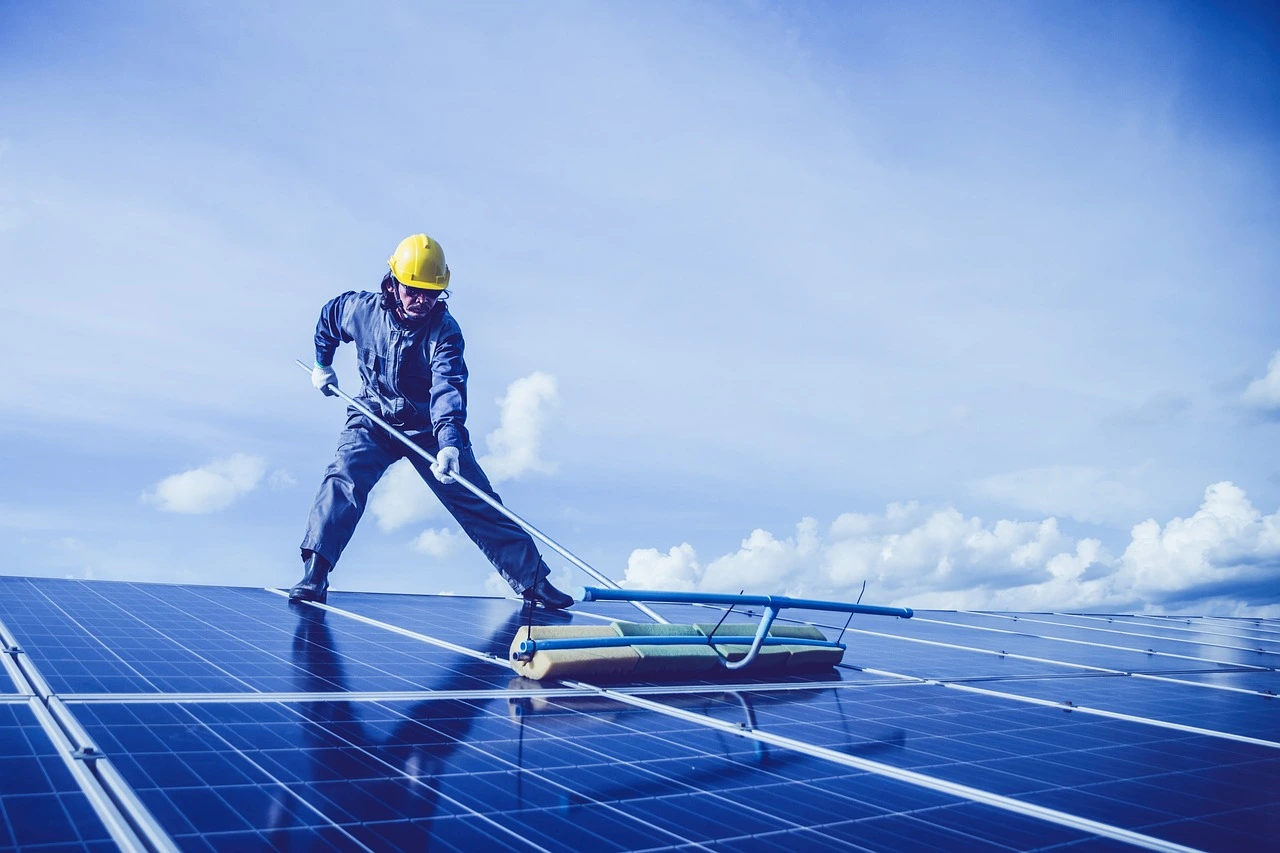
While routine cleaning can often be done safely at home, certain situations call for professional expertise. Trained technicians use specialised equipment and cleaning agents that remove stubborn grime without damaging the panel surface or voiding warranties.
Consider hiring a professional solar panel cleaning service in the following scenarios:
- Large installations that cover extensive roof areas
- Rooftops with steep angles or difficult access
- Systems exposed to heavy pollution, dust, or coastal salt deposits
- Panels with visible buildup of mineral residue, bird droppings, or hardened debris
Professionals are equipped to clean thoroughly and safely, even in challenging environments. Their techniques help preserve panel efficiency, reduce risk of damage, and may uncover early signs of wear or system issues during routine inspections.
DIY or Professional Solar Panel Cleaning?
Use the table below to decide whether DIY or professional cleaning is the better option for your setup:
| Scenario | DIY-Friendly | Call a Professional |
| Small ground-mounted system | Yes | |
| Easily accessible roof with low pitch | Yes | |
| Minor dust or pollen accumulation | Yes | |
| Large or multi-array installation | Yes | |
| Steep or multi-storey roof | Yes | |
| Heavy bird droppings, sap, or mineral residue buildup | Yes | |
| Coastal area with salt exposure | Yes | |
| Lack of safe roof access or appropriate equipment | Yes |
Let’s Recap
Clean solar panels are more efficient, last longer, and provide better returns on your investment. Environmental factors such as dust, bird droppings, and pollution can reduce performance, but with the right tools and approach, maintenance is straightforward.
Whether you clean your panels yourself or work with a professional, staying on top of regular upkeep ensures you’re getting the most energy possible from your system. And with tools like Upvolt’s Skygate® platform, it’s even easier to monitor performance and know exactly when it’s time for a clean.
About Upvolt
At Upvolt, we believe solar should perform at its best, not just on day one, but for decades. That’s why we design and install high-efficiency solar and battery systems built for long-term reliability, and we support you with the tools to keep them running at peak output.
From our free online solar survey to expert system design and seamless installation, every step is tailored to your home and energy needs. Our Skygate® platform makes it easy to monitor system performance, spot drops in output, and know when maintenance, like panel cleaning, is needed.
With Upvolt, clean energy isn’t just a one-off install, it’s a smart, ongoing investment. Take our quick survey today to find out how much you could save and how we help you protect your system’s performance over the long term.
FAQ
How often should I clean my solar panels?
You should clean your solar panels at least once or twice a year to maintain efficiency. In areas with high dust, pollen, or pollution, more frequent cleaning, every three to four months, may be necessary. If you’re using Upvolt’s Skygate® platform, it can alert you to drops in performance that may signal it’s time for a clean.
Can I clean solar panels myself, or should I hire a professional?
You can clean them yourself if the panels are easy to reach and only lightly soiled. However, for rooftops with limited access, large systems, or heavy buildup, hiring a professional solar panel cleaner is the safer and more effective option. Professionals use specialised tools and techniques to protect your panels while restoring performance.
What cleaning methods should I avoid?
Avoid abrasive sponges, harsh chemicals, and high-pressure washers. These can scratch or damage the surface, compromise seals, and reduce efficiency. Always use soft brushes or cloths, mild cleaners made for solar panels, and lukewarm water.
Can rain clean my solar panels sufficiently?
Rain can help remove light dust, but it’s not enough to keep your panels performing at their best. Rainwater often leaves behind mineral deposits and won’t clear away sticky debris like bird droppings or pollen. Regular cleaning is still needed for optimal results.
Are there any risks in cleaning solar panels?
Yes, improper cleaning can cause damage. Using the wrong tools or cleaning in extreme temperatures can lead to scratches, cracks, or electrical issues. Always follow best practices or work with a qualified professional to avoid these risks.

Alex Lomax
CEO & Co-Founder
Share article


Share article