-
Now live! Generate even more savings with our Skygate system. Click here to learn more.

Solar Photovoltaic
11 mins read
Is It Worth Having Solar Panels in London?
24 Oct 2025A guide to the costs, savings, and real benefits of installing solar panels in London.
Take the first step toward energy independence today.
get a quote
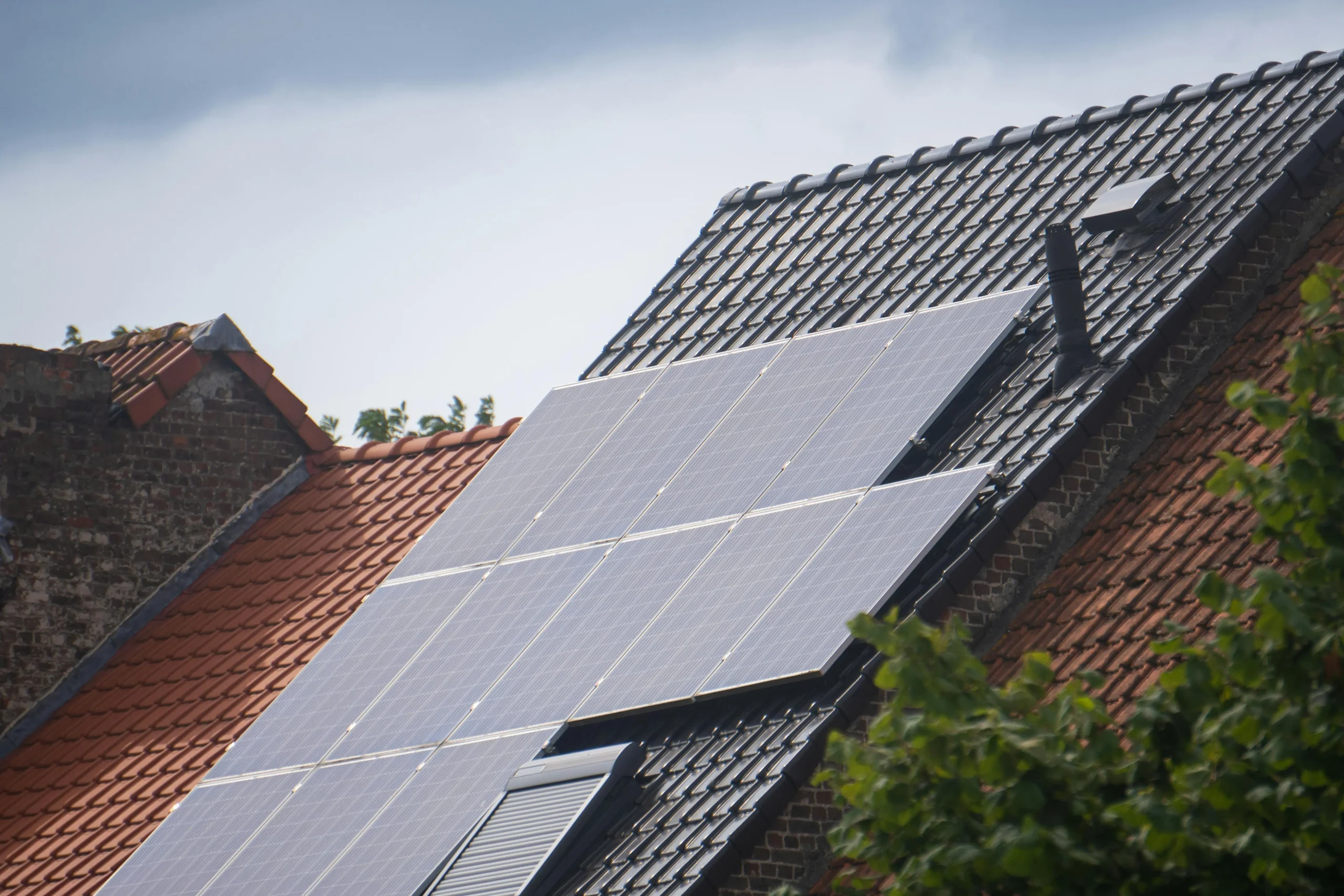
As energy costs continue to rise, many London homeowners are exploring solar power as a way to lower bills and reduce reliance on the grid. Yet with the city's famously changeable weather, it's natural to wonder whether solar panels truly perform well enough to make the investment worthwhile. Thanks to advances in technology, falling installation costs, and government-backed incentives, solar energy has become more accessible than ever. However, the real value depends on several factors, such as roof orientation and energy usage to available funding and maintenance. In this guide, we'll look at the costs, savings, and performance of solar installations in London, helping you make an informed decision about whether solar is the right choice for your home.

11 min read
On this page
Key Takeaways
- Solar panels are well-suited to London’s climate and can generate electricity year-round, even on cloudy days.
- The true value of solar depends on factors such as roof suitability, energy use, and available incentive schemes.
- Combining solar panels with a battery and smart energy management can significantly enhance efficiency and savings.
- Beyond cost savings, solar panels support cleaner air, greater energy independence, and a more sustainable future for London.
Do Solar Panels Work in London’s Weather?
London’s weather might not seem ideal for solar energy, but modern solar panels are designed to work efficiently even under cloud cover. They generate electricity from daylight, not just direct sunlight, meaning they continue to produce power throughout overcast or cooler days. In the UK, solar panels typically still deliver 10–25% of their normal output even on heavily overcast days.
While energy output is slightly higher in summer due to longer daylight hours, panels still perform consistently year-round. In fact, cooler temperatures can actually improve efficiency, as solar cells operate best when they’re not overheated.
Homes with south-, southeast-, or southwest-facing roofs tend to achieve the strongest generation, but even east- and west-facing properties can see excellent performance when panels are properly positioned and optimised.
For built-up areas, shading from nearby trees or buildings can be managed through careful system design using microinverters or power optimisers, ensuring each panel operates independently.
How Much Do Solar Panels Cost in London?
The cost of installing solar panels in London varies depending on your property type, roof layout, and system size. On average, a typical 4 kW residential solar panel system, suitable for most three-bedroom homes, costs between £6,000 and £9,000, including installation. Larger or premium installations with high-efficiency panels and integrated battery storage can reach £18,000 or more.
However, several solar panel grants and schemes can reduce the upfront cost of your London solar panel installation and improve long-term returns:
- Solar Together: A group-buying programme run by London councils that can cut installation costs by up to 30% through vetted, MCS-certified installers.
- ECO4 Scheme: Provides partial or full funding for low-income households that meet eligibility criteria.
- Warm Homes Grant: Offers free energy-saving upgrades, including solar panels, for qualifying London homes.
- Smart Export Guarantee (SEG): Pays you for exporting unused solar electricity back to the grid, helping offset your investment over time.
Together, these initiatives make solar energy more affordable and accessible for London homeowners, often shortening the payback period by several years.
How Much Can You Save with Solar Panels?
Solar panels begin generating immediate savings by reducing your reliance on grid electricity. A typical 4 kW system in London produces around 3,000 kWh of electricity per year, enough to power most of a family home’s daytime energy needs.
Depending on system size, energy use, and tariff rates, homeowners can expect:
- Annual electricity bill savings: ~£600
- SEG income from exported electricity: £150–£225 per year
- Total lifetime savings (25 years): £18,000–£20,000
These figures can be even higher when paired with a solar battery, which allows you to store unused power during the day and use it at night. This can increase self-consumption from 30% to over 70%, dramatically improving long-term returns and energy independence.
What Is the Average Payback Period?
The payback period measures how long it takes for your energy savings to cover the initial cost of installation. Once this point is reached, every unit of electricity your system generates is effectively free power for the remainder of its lifespan.
For most London households, the average payback period is around 11 to 12 years, depending on roof size, energy use, and system efficiency. Homes that include solar panels and battery storage can achieve returns even sooner.
Example Calculation:
- 4 kW system cost: £9,000
- Annual savings (bills + SEG): £750
- Payback period: £9,000 ÷ £750 = 12 years
How to Maximise Your Solar Panel Savings
Getting the most out of your solar panels goes beyond installation. How you use, store, and maintain your system has a direct impact on your financial return. With thoughtful planning and a few practical habits, London homeowners can substantially increase the value of their investment.
1. Use Appliances During the Day
Solar energy production peaks between 10 a.m. and 4 p.m., when sunlight is strongest. Running energy-intensive appliances such as washing machines, dishwashers, or tumble dryers during these hours allows you to use free solar power instead of buying electricity from the grid.
In a typical UK household, shifting major energy use into daylight hours can raise solar self-consumption by up to 30%. Simple adjustments, like setting timers, pre-cooling the fridge before sunset, or charging devices during the day, translate to consistent long-term savings.
Homes equipped with smart plugs or automation systems can take this even further, scheduling appliance use precisely when panels are generating at their peak.
Using smart algorithms, Skygate® can increase PV self-consumption by a further 10% by automatically activating devices during periods of low electricity prices or high solar output.
2. Invest in a Solar Battery
Adding a battery storage unit is one of the most effective ways to get more value from your solar panels. Batteries store the surplus electricity your system generates during the day and release it later, typically in the evening when energy demand and grid prices are higher.
For many London households, where daytime occupancy is lower, a battery ensures that self-generated power is not wasted. Instead of exporting excess energy to the grid, you can store it and use it when you return home, reducing reliance on imported electricity and stabilising your bills throughout the year.
While battery storage adds to the initial installation cost, it often improves overall system efficiency and shortens the payback period by increasing the proportion of solar energy you use directly. It also offers added resilience during power cuts and greater control over when and how your home draws energy.
3. Monitor System Performance
Monitoring technology gives you visibility over how your solar system performs day to day. With tools like Upvolt’s Skygate® platform, you can track live energy generation, consumption, and export levels, helping you spot inefficiencies or drops in output early.
Regular checks on system data highlight trends in performance and help identify when cleaning or servicing may be required. For example, if generation dips compared to seasonal averages, it may indicate panel shading, debris, or a technical issue. Staying informed ensures your system continually delivers the returns you expect, year after year.
4. Keep Panels Clean and Maintained
Solar panels are built for durability, but keeping them clean and well-maintained is key for peak performance. In a city like London, pollution, dust, and bird droppings can gradually reduce output by up to 50% if left unchecked.
Panels should be visually inspected twice a year and professionally cleaned every 6–12 months, depending on your location and surrounding environment. Homes near trees or main roads may require more frequent cleaning. Annual maintenance visits from an accredited installer will also confirm that wiring, mounts, and inverters remain in good condition.
Routine care not only sustains efficiency but also protects your manufacturer warranty, which often requires evidence of regular maintenance to stay valid. Clean panels capture more sunlight, extend system lifespan, and maximise your overall savings potential.
5. Consider Smart Tariffs
Combining your solar panels with a smart energy tariff unlocks another layer of savings. These time-of-use tariffs allow you to use stored solar power during peak-rate periods and charge from the grid when electricity is cheapest, often overnight.
When paired with Skygate®, your system can automatically adapt to these tariffs, ensuring power is drawn or stored at the most economical times. This intelligent energy management helps homeowners reduce bills further while supporting a more balanced and sustainable grid.
Stay Connected with Upvolt
Get the latest updates on energy innovations, smart solutions, and exclusive offers.
Other Benefits of Solar Panels in London
So, are solar panels worth it in London? Beyond the clear financial savings and payback potential, their value extends much further. From boosting property prices to supporting the city’s sustainability goals, solar energy delivers a wide range of long-term benefits that make it a smart investment for London homeowners.
Increased Property Value and Market Appeal
Solar panels have become a sought-after feature for London homebuyers looking for energy efficiency and lower running costs.
According to Rightmove, homes with improved Energy Performance Certificate (EPC) ratings can sell for up to 15% more (almost £56,000) than similar properties without energy upgrades. Solar panels help achieve those higher ratings, adding tangible value for both owners and potential buyers.
Lower Carbon Emissions and Cleaner Air
Each average home solar system prevents around one tonne of COâ‚‚ emissions every year. The equivalent of driving more than 3,000 miles in a petrol car. Over its lifespan, that’s around 25 tonnes of carbon avoided per household.
This cleaner, local generation supports London’s wider move toward a net-zero future, improving air quality and reducing the city’s overall carbon footprint.
Energy Independence and Future Stability
As energy prices continue to rise and fluctuate, generating your own electricity offers genuine peace of mind. A solar system gives homeowners greater control over how and when they use power, protecting them from market volatility and reducing dependence on external suppliers.
When paired with battery storage and smart energy tools like Upvolt’s Skygate® platform, your solar system becomes even more powerful. It stores surplus energy for evenings or high-tariff periods, automatically using your own clean electricity when it’s most cost-effective. The result? Lower bills, predictable energy costs, and a home that runs on your terms.
Let’s Recap
For most London homeowners, solar panels are a worthwhile long-term investment. They perform efficiently throughout the year, helping to lower energy bills and reduce dependence on the grid.
With installation costs becoming more affordable and government incentives available, the financial case for solar energy continues to strengthen. Beyond the savings, solar panels also contribute to cleaner air, higher property values, and greater energy security across the capital.
When installed by an accredited professional and supported by smart technology such as Upvolt’s Skygate® platform, solar systems can deliver decades of reliable, low-carbon power. Even in London’s variable weather, solar energy remains one of the most effective ways to achieve lasting savings and a more sustainable home.
About Upvolt
Upvolt designs and installs high-quality solar energy systems for homes across London and the South East. Our certified engineers deliver bespoke solutions that combine advanced technology with long-term reliability and support.
We use full-black monofacial panels rated from 460W and above, offering efficiency up to 23.6% and backed by a 30-year performance warranty. Each system is installed with precision and built to deliver lasting value.
With Upvolt’s Skygate® platform, you can monitor your energy generation and savings in real time, ensuring your system performs at its best year after year.
Request a free quote today and discover how Upvolt can help power your London home with clean, efficient energy.
FAQ
Are solar panels worth the investment in London?
Yes, solar panels are worth it for most London homeowners. They generate electricity from daylight, not just direct sunlight, so they work efficiently throughout the year. With high energy prices and strong performance, solar panels can cut bills, boost property value, and support a more sustainable future for the city.
Are there any solar panel grants to offset installation costs?
Yes, several schemes can help reduce the cost of solar panels in London. These include Solar Together, ECO4, the Warm Homes Grant, and the Smart Export Guarantee. Together, they make solar energy more affordable and can shorten the payback period for your investment.
How much does it cost to install solar panels in London?
A typical 4 kW residential system in London costs between £6,000 and £9,000, including installation. Larger or premium systems with battery storage can reach £18,000 or more. Grants and export payments can help lower the total cost and improve long-term savings.
How much can I save by installing solar panels on my London home?
A well-designed solar panel system can save around £600 a year on electricity bills, plus extra income from exported energy. Over 25 years, total savings can reach up to £20,000 depending on your setup. Adding a solar battery can increase these returns by helping you use more of the power you generate.
How do I choose a reputable solar panel installer in London?
Choose an installer certified by the Microgeneration Certification Scheme (MCS) to ensure quality and compliance. Look for companies with experience in London homes and membership in RECC or Solar Energy UK. Reliable installers, like Upvolt, use premium components, provide clear quotes, and offer long-term support and warranties.

Alex Lomax
CEO & Co-Founder
Share article


Share article