-
Now live! Generate even more savings with our Skygate system. Click here to learn more.

On this page
- How New Builds Differ From Retrofit Solar Installations
- What Part L and the Future Homes Standard Mean for New-Build Solar
- Should You Commission Solar Independently or Accept the Developer-Fitted System?
- Sizing Solar Correctly for a New-Build Home
- Battery Storage and Energy Management on a New Build
- Planning Permission and Permitted Development for New-Build Solar
- When Solar Is Not the Right First Step for a New-Build Buyer
- How Upvolt Designs and Installs Solar for New-Build Homes
- Let's Recap
- About Upvolt
- FAQ
Solar Photovoltaic
20 mins read
Should You Install Solar in a New Build?
7 Jul 2026When solar makes sense for a new-build home and what to consider before installation.
Take the first step toward energy independence today.
get a quote
On this page
- How New Builds Differ From Retrofit Solar Installations
- What Part L and the Future Homes Standard Mean for New-Build Solar
- Should You Commission Solar Independently or Accept the Developer-Fitted System?
- Sizing Solar Correctly for a New-Build Home
- Battery Storage and Energy Management on a New Build
- Planning Permission and Permitted Development for New-Build Solar
- When Solar Is Not the Right First Step for a New-Build Buyer
- How Upvolt Designs and Installs Solar for New-Build Homes
- Let's Recap
- About Upvolt
- FAQ
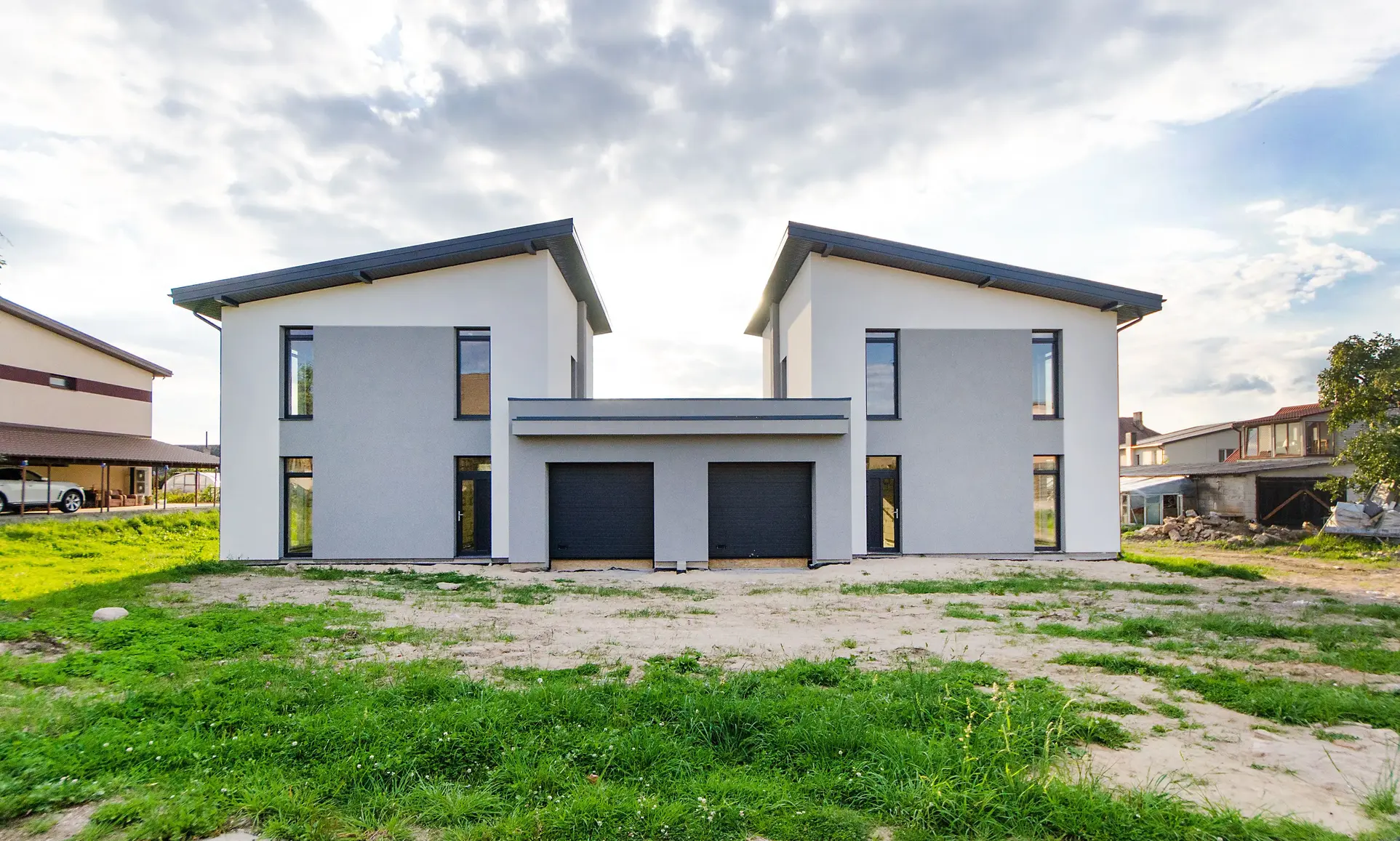
Installing solar on a new-build home in the UK is a different decision from a standard retrofit, the roof is new, regulatory requirements may mean panels are already fitted, and the timing window for lowest-cost installation closes quickly once construction is complete.
Some new-build homes already arrive with developer-installed solar under Part L building regulations, yet those systems are frequently sized to satisfy a compliance threshold rather than to serve the household. Others arrive with no solar at all, leaving the buyer weighing up whether to act immediately or wait until they understand their actual consumption. The answer depends on a small number of specific factors, and this article sets out what those factors are.

20 min read
On this page
- How New Builds Differ From Retrofit Solar Installations
- What Part L and the Future Homes Standard Mean for New-Build Solar
- Should You Commission Solar Independently or Accept the Developer-Fitted System?
- Sizing Solar Correctly for a New-Build Home
- Battery Storage and Energy Management on a New Build
- Planning Permission and Permitted Development for New-Build Solar
- When Solar Is Not the Right First Step for a New-Build Buyer
- How Upvolt Designs and Installs Solar for New-Build Homes
- Let’s Recap
- About Upvolt
- FAQ
Key Takeaways
- New-build homes completed from 2022 onwards often include developer-installed solar to meet Part L building regulations, but these systems are typically sized for compliance, not for self-consumption optimisation, and may cover only a fraction of actual household demand.
- Installing solar during or immediately after construction avoids retrofitting disruption and takes advantage of accessible cable routes, available structural drawings, and unobstructed scaffolding access before landscaping is complete.
- The financial case for new-build solar strengthens considerably when battery storage, an EV charger, or a heat pump is also planned, as these loads increase on-site self-consumption and reduce the proportion of generation exported at lower Smart Export Guarantee (SEG) rates.
- Homeowners who move into a new build without solar may benefit from waiting 6 to 12 months to gather real consumption data before commissioning a system, as accurate usage figures lead to better system sizing and stronger long-term financial returns.
How New Builds Differ From Retrofit Solar Installations
Solar installation on a new-build differs from retrofit in three specific ways: the structural drawings are available, cable routes are accessible before walls are plastered, and many new builds already arrive with a developer-fitted system that needs assessing before any commissioning decision is made.
The context is also different in one important respect: many new-build buyers already have solar panels on their roof before they move in. Developer-fitted systems are now common on new homes in England under Part L building regulation requirements, but “already has solar” does not automatically mean “has the right solar.” Understanding what you have, or what the builder has offered, is the starting point for the new-build solar decision.
The Defect Liability Period and Roof Warranty Considerations
Most new-build developers provide a two-year defect liability period, during which they remain responsible for rectifying construction defects. Some builder warranties, including the NHBC Buildmark scheme, include conditions around third-party alterations to the roof structure. This does not necessarily prevent solar installation during the liability period, but understanding the specific warranty terms before commissioning work is worthwhile.
Professional installation using rail-mounted systems that distribute load correctly across the roof structure is less likely to create warranty complications than point-fixing methods, and a reputable installer will be familiar with what documentation developers and warranty providers typically require.
The Practical Advantages of Installing Early
The timing window for new-build solar is real. Before landscaping limits scaffolding positioning, before decoration is complete, and while the developer’s structural orientation drawings are still readily available, system design and installation is more straightforward and typically less expensive.
Cable routing from the roof to the consumer unit and battery location is significantly simpler when the internal walls are accessible. In our experience, a system installed during the first few months of occupation avoids many of the access complications that add time and cost to retrofit projects completed several years later.
What Part L and the Future Homes Standard Mean for New-Build Solar
Under Part L of the Building Regulations in England, new dwellings must meet minimum energy performance standards set by the government. The 2021 Part L uplift introduced tighter carbon dioxide emissions targets that many developers meet, at least in part, through the inclusion of solar photovoltaic systems.
This is why new homes built from 2022 onwards increasingly arrive with panels already fitted, not because the developer has prioritised your energy bills, but because solar is one of the more cost-effective routes to satisfying the compliance requirement at the point of construction.
The Future Homes Standard is expected to take this further, requiring new homes to be net-zero-ready with significantly higher levels of renewable energy generation embedded in the design from the outset. While the full standard has not yet been enforced, its direction is clear: the regulatory floor for new-build energy performance will continue to rise. Buyers of homes built before the standard comes into force may find that the systems already installed represent a minimum baseline rather than an optimised starting point.
Why Compliance-Minimum Solar Systems Often Under-Deliver
The distinction between a system sized to satisfy a regulatory threshold and one sized to serve the household is significant. Developers face commercial pressure to build to cost, and Part L compliance can often be achieved with a 3kWp system on a four-bedroom detached house.
For a family with an EV charger and an air source heat pump (ASHP), that system may cover a relatively small proportion of actual annual demand. The compliance certificate confirms the home meets the energy performance requirement, it says nothing about whether the system is adequate for how you actually live in the property.
The Future Homes Standard and What It Means for Buyers
The direction of policy travel means that new-build energy performance standards will tighten. Buyers who proactively size their solar system above the compliance minimum, and who integrate battery storage and a home energy management system at the point of fit-out, are positioning themselves ahead of where regulation is heading rather than catching up to it. For buyers purchasing homes built under pre-Future Homes Standard regulations, independent assessment of the installed system is a practical starting point.
Should You Commission Solar Independently or Accept the Developer-Fitted System?
Many buyers assume that because their new home has solar panels, the energy question is resolved. It often is not. Before accepting a developer-installed system at face value, it is worth understanding what you actually have.
The first thing to check is system size in kilowatt-peak (kWp) relative to your likely household demand. A 3 to 3.5kWp system may be sufficient for a two-person household with modest consumption and no EV, but it will under-serve a family of four with an EV charger and a heat pump. Next, check whether battery storage is included. Most developer-installed systems do not include batteries, which means generation that is not immediately consumed is exported to the grid at SEG rates, typically lower than the cost of importing electricity. Without storage, the self-consumption case is significantly weaker.
Documentation matters too. At handover, the documentation to request includes the MCS commissioning certificate issued by a named, registered MCS operating entity; the inverter manufacturer’s warranty documentation, panel manufacturer warranty paperwork, and details of which MCS-certified entity carried out the installation. Systems installed by developer subcontractors are sometimes commissioned under a different operating entity’s registration, and if the paperwork is absent or incomplete, you may not be able to register for SEG payments without an independent assessment and re-certification. If your handover documentation does not include these items, raising it with the developer promptly is worthwhile.
Adding battery storage or upgrading the inverter on an existing developer-installed system is possible and can be more cost-effective than replacing the array entirely. If the system is otherwise sound and the inverter has headroom to support additional storage, expanding the installation post-completion is a practical option.
What to Check at New-Build Handover
Before accepting the solar installation as complete, confirm the following are present in your handover pack: the MCS commissioning certificate issued by a named, registered MCS operating entity; the inverter manufacturer’s warranty documentation; the panel manufacturer’s product and performance warranties; the system size in kWp; access credentials for the monitoring application; and confirmation of export meter registration if you intend to apply for SEG payments through your energy supplier.
When the Developer System Is Adequate
If the system installed by the developer is correctly sized for your household’s likely consumption, is backed by full MCS documentation, and is compatible with future battery storage addition, there may be no need for immediate further work. A system that meets these criteria and whose monitoring data confirms it is generating as expected may simply need battery storage added over time rather than wholesale replacement or extension. The honest position is that some developer systems are genuinely adequate, the point is to check rather than assume.
Sizing Solar Correctly for a New-Build Home
The challenge with system sizing on a new build is that no real consumption data exists yet. System designers work around this by using the home’s floor area, Energy Performance Certificate (EPC) rating, planned occupancy, and known loads, particularly EV chargers and heat pumps, to model likely annual demand.
For a three-to-four-bedroom new-build, a 4 to 5kWp system is a common starting point, but a household planning to add an EV charger and an ASHP will typically benefit from 6 to 8kWp paired with battery storage, as the additional loads substantially increase the proportion of solar generation that can be consumed on-site.
Understanding how much electricity your panels are likely to generate based on roof orientation and system size helps set realistic expectations for self-consumption before committing to a specification. Payback periods for new-build solar typically fall within 7 to 12 years depending on usage patterns, system size, and electricity prices at the time of installation, and that range shifts materially depending on how much of the generation is used on-site rather than exported.
Accounting for EV Charging and Heat Pump Loads
An EV charger and a heat pump together represent a substantial increase in household electricity demand, and both create an opportunity to increase solar self-consumption. A heat pump operating in the shoulder seasons of spring and autumn draws electricity during daylight hours, aligning its demand closely with peak solar generation. Smart EV chargers can be programmed to charge preferentially from solar surplus, further increasing the proportion of generated electricity consumed on-site.
For households with both of these loads, a larger solar system sized around actual demand rather than compliance minimums delivers considerably stronger financial returns.
Why Waiting 6 to 12 Months Can Improve System Design
For a homeowner who moves into a new build with no solar, no EV, and no heat pump, waiting six to twelve months before commissioning a system may result in a better outcome. Real consumption data collected over that period gives a system designer accurate figures to work from, reducing the risk of undersizing or oversizing.
The trade-off is that early installation captures the timing and access advantages described above. There is no universally correct answer, the right choice depends on whether you already have a clear picture of your planned loads or whether your consumption pattern is still genuinely uncertain.
Battery Storage and Energy Management on a New Build
A new build is the cleanest possible environment for installing battery storage and a home energy management system. Cable routes are accessible before walls are decorated, the consumer unit is new and compatible with modern equipment, and battery placement can be planned from the outset rather than retrofitted into a space where it may not sit optimally. Retrofitting battery storage to an existing solar installation is entirely possible, but it is typically more disruptive and sometimes more expensive than incorporating storage as part of the original system.
The case for how solar panels and battery storage work together rests on self-consumption: a battery stores generation that would otherwise be exported and makes it available in the evening when solar output drops. For a new-build household with a heat pump and EV charger, storage can increase self-consumption from the 30 to 40% range without a battery to 70 to 80% with one, substantially improving the financial return.
Commissioning solar, battery storage, and the Skygate® home energy management system together as part of new-build fit-out is the most cost-effective route to a fully integrated energy setup. Skygate® connects solar generation, battery storage, EV charging, and heat pump operation into a single platform, optimising when energy is used, stored, and exported based on real-time generation data and household demand. For households considering pairing solar with a heat pump, Skygate® provides the integration layer that allows both systems to work together rather than independently.
The Case for LFP Battery Chemistry in New Builds
Lithium iron phosphate (LFP) is the recommended battery chemistry for residential installations due to its thermal stability, long cycle life, and safety profile. New-build buyers installing battery storage from scratch can choose LFP from the outset without inheriting the compatibility limitations that sometimes apply when upgrading older systems. Brands including Dyness and Fogstar Pace, which Upvolt installs, use LFP chemistry across their residential ranges.
Integrating an EV Charger From Day One
Installing a solar-compatible smart EV charger alongside the solar system at new-build fit-out enables solar-optimised charging. Rather than drawing from the grid at standard rates, the charger can be configured to use solar surplus, prioritising on-site generation during the day. This arrangement improves self-consumption and reduces the proportion of EV charging cost that falls on the grid electricity tariff, which is particularly relevant given that EV charging can represent a significant share of total household consumption.
Stay Connected with Upvolt
Get the latest updates on energy innovations, smart solutions, and exclusive offers.
Planning Permission and Permitted Development for New-Build Solar
Most residential solar panel installations in England fall under Permitted Development rights, meaning planning permission is not required provided the installation meets specific conditions, panels must not protrude more than 200mm from the roof surface, and the property must not be in a designated area such as a conservation area, Area of Outstanding Natural Beauty, or World Heritage Site.
New-build properties are generally subject to the same Permitted Development framework as established homes, but there is an additional consideration: many new-build estates include restrictive covenants imposed by the developer that limit certain external alterations. Checking your title deeds before commissioning solar is a practical step to confirm whether any such restrictions apply.
For properties within designated areas, Permitted Development rights are more restricted, and planning consent may be required for external solar installations even on a new property. Confirming whether planning permission applies to your installation before proceeding avoids the risk of a retrospective enforcement issue. Current Permitted Development criteria are set out on gov.uk and should be checked directly, as the rules can be updated.
When Solar Is Not the Right First Step for a New-Build Buyer
Buyers in a flat without roof access, those whose developer system is correctly sized and documented, and those whose budget is better directed at insulation or fabric improvements are the clearest cases where solar is not the right immediate priority.
If you are purchasing a flat or apartment without sole access to the roof, solar is not a realistic option regardless of timing. If the developer-installed system is correctly sized, fully documented, and compatible with future battery storage, commissioning additional work immediately may not represent the best use of your capital. If your budget is more effectively directed at insulation, heating system upgrades, or other fabric improvements with a stronger short-term return, those may be a higher priority than solar at the outset.
For buyers who genuinely do not yet know their consumption patterns, households that have not yet acquired an EV, are undecided on a heat pump, or are uncertain about occupancy, waiting to gather real data before sizing a system is a reasonable choice. The financial case for solar depends substantially on how much of the generation can be used on-site, and a system sized around actual rather than estimated demand performs more predictably.
The honest position is that solar is worth serious consideration for many new-build buyers, but not for all of them. The decision should rest on an honest assessment of your usage, your budget, and the adequacy of any system already in place, not on a sense of urgency.
How Upvolt Designs and Installs Solar for New-Build Homes
Every new-build solar installation that Upvolt’s engineers assess begins with the same questions: what is the roof’s orientation and pitch, what are the planned energy loads, and at what stage is the build? These questions determine whether the right answer is a standalone solar array, a solar-plus-storage system, or a fully integrated setup including EV charging and heat pump connection via Skygate®. This is not a catalogue product, it is a designed solution built around the specific circumstances of the property and the household. For residential solar panel installation on new builds, the design process accounts for the absence of historical consumption data by modelling demand from floor area, EPC rating, planned occupancy, and known loads.
Upvolt works across southern England and can engage at the point of purchase, during the construction phase, or post-completion. Homeowners who are still months away from moving in can use that time to plan a system that is ready to install as soon as the build permits, capturing the access advantages of early installation without committing capital prematurely.
New-Build Site Assessment and System Design
Before recommending a system, Upvolt’s engineers assess roof orientation and pitch, shading from neighbouring structures or landscaping, available roof area, planned energy loads including EV charging and heat pumps, floor area, and the build stage at the point of enquiry. Where the developer has already installed a system, the assessment also covers the existing system’s size, inverter capacity, documentation, and compatibility with battery storage, confirming whether addition or replacement is the more practical route.
Installation, Commissioning, and Documentation
Installation is carried out by Upvolt’s MCS-certified operating companies, Upvolt Oxfordshire Ltd, OHM Energy Ltd, and Deege Ltd, operating to the standard required for commissioning documentation and SEG registration eligibility.
At completion, the homeowner receives the MCS commissioning certificate, panel and inverter manufacturer warranties, monitoring platform access, and guidance on registering for Smart Export Guarantee payments through their energy supplier. MCS certification is the minimum standard that professional installers operate to, it is not a differentiator, but it is the baseline that determines whether SEG and Boiler Upgrade Scheme (BUS) eligibility apply.
Ongoing Monitoring and System Expansion
Skygate® enables ongoing monitoring of generation, consumption, storage levels, and export, accessible via a single platform. As household circumstances change, a new EV, a heat pump installation, or a growing household, the system can be expanded. Battery capacity can be increased, additional panels added if roof space allows, or an EV charger integrated into the Skygate® platform to enable solar-optimised charging. What we find in practice is that new-build buyers who plan for expansion from the outset, specifying an inverter with headroom for additional panels and pre-routing conduit for future battery installation, avoid the more disruptive upgrade work that occurs when systems are extended without forward planning.
Let’s Recap
New-build properties offer a genuine opportunity to integrate solar from the outset, with practical advantages over retrofit installation that are real but not decisive. The financial case is strongest where the household has high daytime electricity demand, particularly homes with heat pumps, EV chargers, or home office usage, and where battery storage is included to increase self-consumption. A correctly sized system on a well-oriented roof, designed around actual household loads rather than compliance minimums, will outperform a compliance-minimum developer system over the life of the installation.
Many new-build buyers assume the solar question is resolved because the developer has already fitted panels. It is worth checking this assumption carefully. Developer-installed systems are typically sized to meet Part L building regulations, not to optimise the homeowner’s energy bills, and they often lack battery storage, adequate capacity for high-consumption households, or complete MCS documentation. An independent assessment before assuming the system is sufficient can reveal whether the installation is performing as it should or whether additions would materially improve returns.
The timing trade-off is genuine. Early installation captures structural and access advantages that become harder and more expensive to replicate once the property is fully finished and landscaped. At the same time, homeowners who do not yet know their consumption patterns may benefit from waiting six to twelve months to gather real usage data before commissioning a system. There is no single correct answer, the right timing depends on how clearly defined the household’s energy profile already is.
Solar on a new build is worth serious consideration for buyers with high planned consumption, particularly when battery storage and a home energy management system are part of the picture. But it is not automatically the right first step for every buyer. The decision should be based on an honest assessment of usage, budget, and the adequacy of any existing developer-installed system.
About Upvolt
Upvolt is a renewable energy installer serving homeowners across southern England, with a focus on system design that reflects actual household needs rather than compliance minimums. For new-build solar, that means assessing roof orientation, planned energy loads, and whether battery storage, EV charging, and heat pump integration are part of the picture before recommending a system size or specification.
Upvolt’s MCS-certified operating companies, Upvolt Oxfordshire Ltd, OHM Energy Ltd, and Deege Ltd, carry out installations to the standard required for MCS commissioning documentation, SEG registration eligibility, and Boiler Upgrade Scheme eligibility where applicable. Homeowners receive complete paperwork at the end of installation, including the commissioning certificate, manufacturer warranties, and monitoring access.
The Skygate® home energy management system is available as part of new-build installations, connecting solar generation, battery storage, EV charging, and heat pump operation into a single managed platform. For new-build buyers who want a fully integrated energy setup from the outset, Skygate® provides the control layer that ties all those systems together.
New builds offer a level of flexibility that retrofit installations rarely match. The right system size, cable routes, and battery readiness can all be built in from day one. Talk to Upvolt before your build is signed off and find out exactly what to specify.
FAQ
Do New-Build Homes Already Have Solar Panels Fitted?
Many new-build homes completed from 2022 onwards include solar panels installed by the developer to meet Part L building regulation requirements. These systems are typically sized to satisfy minimum compliance targets rather than to maximise energy savings for the household. Before assuming the installed system is sufficient, it is worth checking the system size in kWp, whether battery storage is included, and whether the installation came with full MCS documentation, as these factors determine whether the system is performing as well as it could for your specific circumstances.
Can I Add Solar Panels to a New Build If the Developer Has Already Fitted Some?
Adding panels to an existing developer-installed system is possible, provided the inverter has sufficient headroom and the roof space allows additional capacity. Where the roof area is limited or the inverter is already close to its rated output, adding battery storage to the existing system can be more practical and cost-effective than extending the array. An assessment by an MCS-certified installer will confirm whether the existing system can be expanded or whether an inverter upgrade is needed first.
Does Installing Solar Void the New-Build Roof Warranty or NHBC Cover?
Whether adding solar affects your builder’s roof warranty or NHBC Buildmark cover depends on the specific terms set out at handover. Professionally installed systems using rail-mounted fixings distribute load correctly and are unlikely to cause warranty complications, but checking the warranty documentation before commissioning any work during the defect liability period protects your position. Raising the question with the developer in writing before instructing an installer is a straightforward way to establish clarity.
Is Solar on a New Build Eligible for Smart Export Guarantee Payments?
A solar system on a new-build home is eligible for SEG payments provided it is installed and commissioned by an MCS-certified installer and the total installed capacity is under 50kWp. The homeowner must then apply to an SEG-licensed energy supplier to register the export meter and agree an export tariff. SEG income contributes to the overall financial return, but the primary saving comes from the electricity generated and consumed on-site rather than from export payments.
How Long Does Solar on a New Build Take to Pay Back?
Payback periods vary depending on system size, household electricity consumption, and electricity prices. For a new-build home with a correctly sized system and moderate daytime occupancy, payback typically falls within 7 to 12 years. Homes with EV chargers, heat pumps, or high daytime usage tend to see stronger returns and shorter payback periods, as a greater share of solar generation is used on-site rather than exported at lower rates.

Alex Lomax
CEO & Co-Founder
Share article


Share article