-
Now live! Generate even more savings with our Skygate system. Click here to learn more.

Renewable Energy Hardware
7 mins read
Solar Panel Installation in Wiltshire: A Step-by-Step Guide
12 Mar 2025Learn the step-by-step process of installing solar panels in Wiltshire, from assessment to installation.

Take the first step toward energy independence today.
get a quote
With rising energy costs and an increasing focus on sustainability, solar panel installation is becoming an attractive option for homes and businesses across Wiltshire. Whether you’re based in Salisbury, Swindon, or the scenic countryside, installing solar panels is a straightforward way to reduce energy bills and embrace renewable energy.

This guide walks you through each step of the solar panel installation process—from evaluating your home's suitability to choosing an installer and maintaining your system—so you can confidently transition to solar power.
Key Takeaways
- Wiltshire’s sunny climate and government incentives make solar panels a worthwhile investment.
- Assessing your roof’s orientation, shading, and energy needs before installation is important.
- The solar panel installation process includes consultation, system design, installation, and final inspection.
- Regular maintenance, such as cleaning and monitoring, ensures long-term performance and savings.
Step 1: Assessing Your Home’s Suitability for Solar Panels
Before installing solar panels on your Wiltshire home, it’s important to evaluate your property’s potential for solar energy production. A professional solar installer can help assess key factors, including:
Roof Orientation
While solar panels can generate energy regardless of direction, some roof orientations capture more sunlight and yield better results.
- South-facing roofs receive 100% of potential solar energy, making them the most efficient choice.
- West- and east-facing roofs capture 75–85% of optimal solar energy, making them viable alternatives.
- North-facing roofs are the least effective, capturing 50% or less of optimal solar energy. However, if the tilt angle is steep (around 35–40°), energy generation may still be feasible.
In Wiltshire, where the county receives over 1,600 hours of sunlight annually, optimising roof orientation can significantly improve solar panel output. For example, a well-positioned 3.5 kW solar system in Wiltshire could generate around 3,000–3,500 kWh per year, potentially covering 50–80% of an average household’s electricity needs.
Structural Integrity
Your roof must be structurally sound to support the weight of solar panels. A typical solar panel weighs around 18–22 kg per panel, meaning a 10-panel system can add 180–220 kg to your roof.
Key factors to check:
- Age of the Roof: If your roof is over 20 years old, an inspection is advisable before installation.
- Material: Solar panels are compatible with most roofing materials, including asphalt shingles, metal, and tiles. However, slate and wood shake roofs may require additional support.
- Load Capacity: UK building regulations require roofs to support at least 0.9 kN/m² of additional weight for solar panels. A structural engineer can confirm if reinforcements are necessary.
Shading and Sunlight Exposure
Shading from trees, chimneys, or nearby buildings can significantly reduce the efficiency of your solar panels. Even minimal shading can impact energy output, with just one shaded solar cell reducing power output by up to 100%, depending on system configuration. A sunlight exposure analysis helps optimise placement and mitigate shading risks.
Step 2: Choosing the Right Solar Panel System
There are different types of solar PV panel systems available, and selecting the right one depends on your budget, energy needs, and available space. Investing in high-quality solar panels ensures better efficiency, durability, and long-term savings on your energy bills.
Types of Solar Panels
- Monocrystalline panels: High efficiency and long lifespan, ideal for homes with limited roof space.
- Polycrystalline panels: More affordable but slightly less efficient than monocrystalline panels.
- Thin-film panels: Lightweight and flexible, suitable for large-scale installations.
Battery Storage Options
Adding a solar battery storage system allows you to store excess energy for use at night or during cloudy days, reducing your reliance on the grid.
Step 3: Finding a Reliable Solar Panel Installer in Wiltshire
Choosing an experienced and accredited solar panel installer is key to a smooth installation process. When selecting a company, consider:
- Experience and Reputation – Look for installers with a strong track record in Wiltshire.
- Certifications – Ensure they are accredited by the Microgeneration Certification Scheme (MCS) or the Renewable Energy Consumer Code (RECC).
- Customer Reviews – Read testimonials and check online ratings to gauge service quality.
- Warranties and Aftercare – Reliable installers provide warranties and ongoing support.
Questions to Ask Your Installer
- How many solar panel systems have you installed in Wiltshire?
- What warranties do you offer?
- Can you provide references from previous clients?
- Do you assist with government incentives or financing options?
Stay Connected with Upvolt
Get the latest updates on energy innovations, smart solutions, and exclusive offers.
Step 4: The Solar Panel Installation Process
Once you've chosen an installer, the process typically follows these steps:
1. Consultation and Site Survey
The installer will assess your roof, energy consumption, and shading to design the most effective system for your needs.
2. System Design and Approval
Based on the survey, the installer will propose a system layout and component selection. This includes choosing the type of panels, inverters, and batteries.
3. Installation
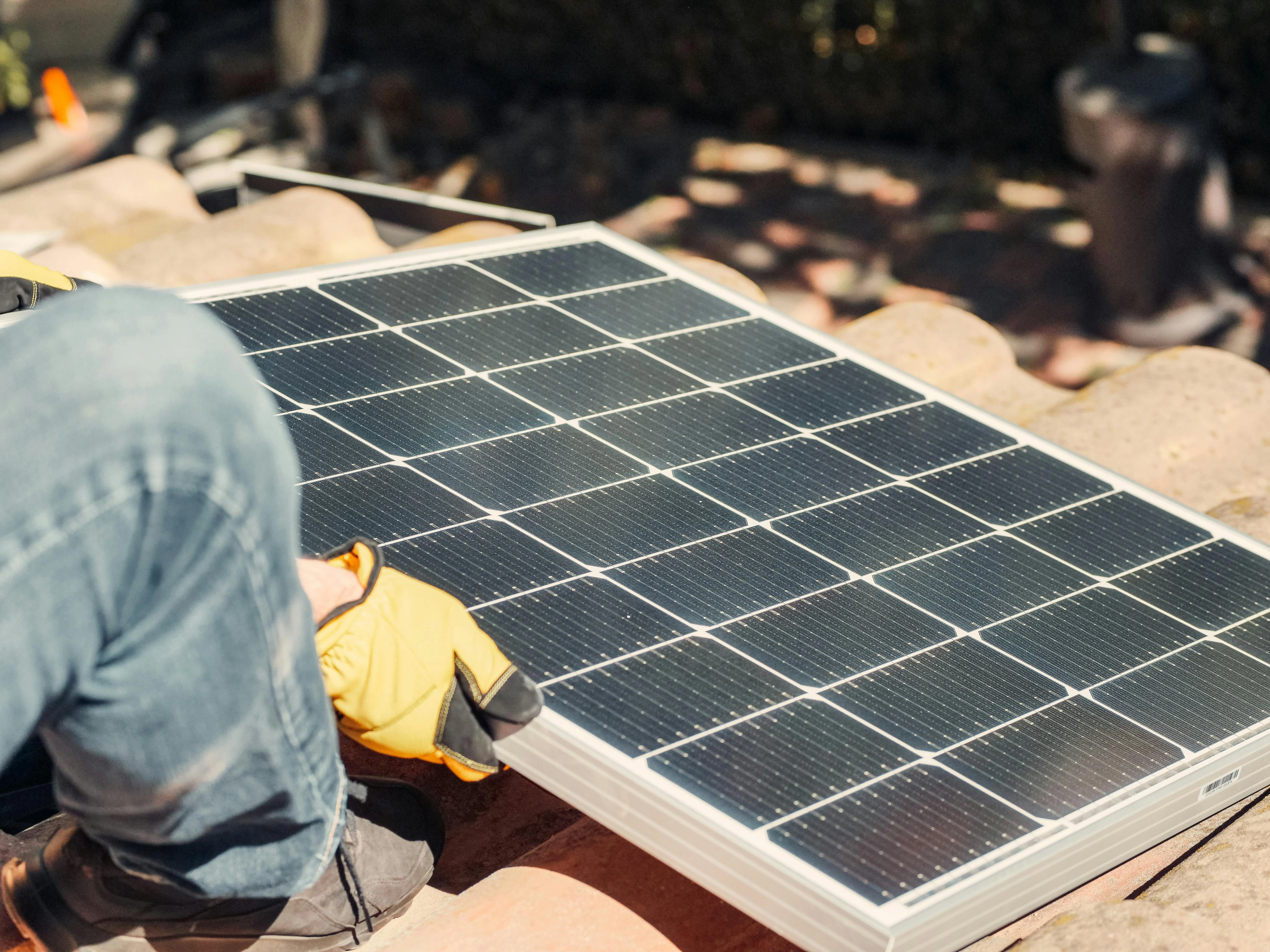
The actual solar installation process takes one to three days, depending on system size and complexity. This involves:
- Mounting the solar panels securely onto your roof.
- Installing the inverter and connecting it to your electrical system.
- Setting up the battery storage (if included).
4. Final Inspection and Grid Connection
After installation, the system undergoes a safety inspection to ensure compliance with regulations. Once approved, it is connected to the national grid, allowing you to generate and use solar energy.
Step 5: Maintaining and Monitoring Your Solar Panel System
To ensure your system operates efficiently for years to come, follow these maintenance practices:
- Regular Cleaning: Dirt, dust, and debris can block sunlight, reducing efficiency. Clean panels with water and a soft brush, or hire professionals for a thorough service.
- Routine Inspections: Check for loose wiring, cracks, or damage to prevent performance issues.
- Solar Monitoring Systems: Using performance tracking software like Skygateâ„¢ allows you to monitor real-time energy generation and spot potential issues early.
Let’s Recap
Installing solar panels in Wiltshire is a step-by-step process that involves assessing your home, choosing the right system, finding a certified installer, and maintaining your panels for long-term efficiency. With Wiltshire’s 1,600+ hours of annual sunshine, solar power is a smart investment that cuts energy costs and supports sustainability.
By following this guide, you’ll be well-prepared to make an informed decision and enjoy the benefits of clean, renewable energy.
About UpVolt
UpVolt specialises in smart solar energy solutions for homes and businesses in Wiltshire. From consultation to installation and ongoing support, our expert team ensures seamless solar energy integration through our innovative Skygateâ„¢ platform.
Take the first step toward energy independence—get a free quote today!
FAQ
Why switch to clean energy?
Switching to clean energy offers numerous benefits, including improved energy efficiency, a reduced carbon footprint, and access to renewable energy solutions that help you save on energy bills.Â
What is the process of solar panel installation in Wiltshire?
The process of solar panel installation in Wiltshire includes selecting the right system for your needs, from solar panels and battery setups to EV charging points. A certified installer will assess your home, provide a tailored solution, and complete the installation, ensuring that your system is designed to maximise efficiency and meet your energy requirements.
How long does it take to install solar panels?
The time required to install solar PV systems can vary, but from start to finish, most installations take around 1 to 3 days.Â
Are there any financial incentives for solar panel installation in Wiltshire?
There are several government schemes available for homeowners in Wiltshire, such as the ECO4 Scheme and the Home Upgrade Grant Phase 2 (HUG2), which help offset installation costs for eligible households.Â
Do I need planning permission from Wiltshire Council?
Most domestic solar panel installations in Wiltshire fall under permitted development and do not require planning permission, as long as they meet certain conditions. However, if your property is a listed building or within a conservation area or a World Heritage Site, you will need permission from Wiltshire Council.

Alex Lomax
CEO & Co-Founder
Share article


Share article