-
Now live! Generate even more savings with our Skygate system. Click here to learn more.

Home / Upvolt Blog / Renewable Energy Hardware / Tesla Powerwall 3 vs Sigenergy Sigenstor
Take the first step toward energy independence today.
get a quote

12 min read
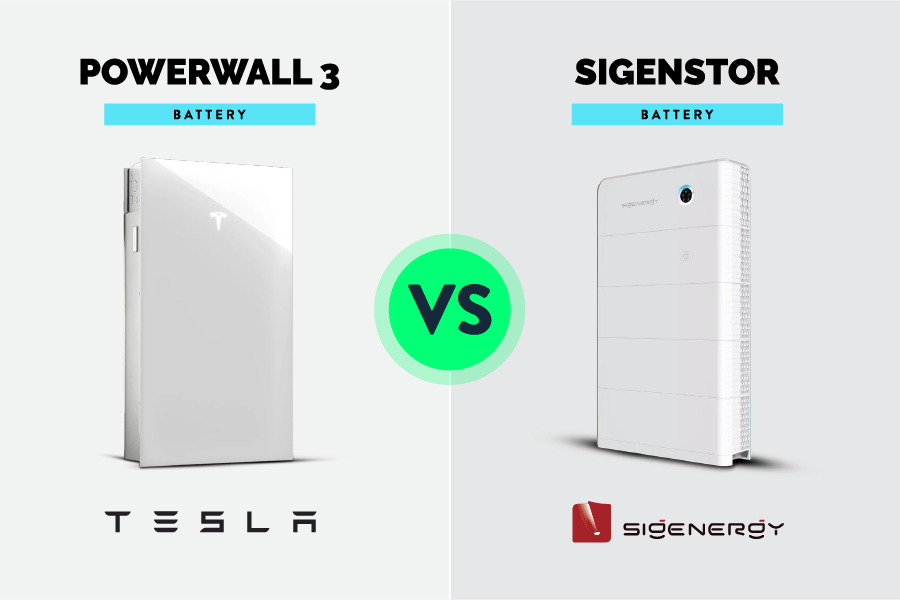
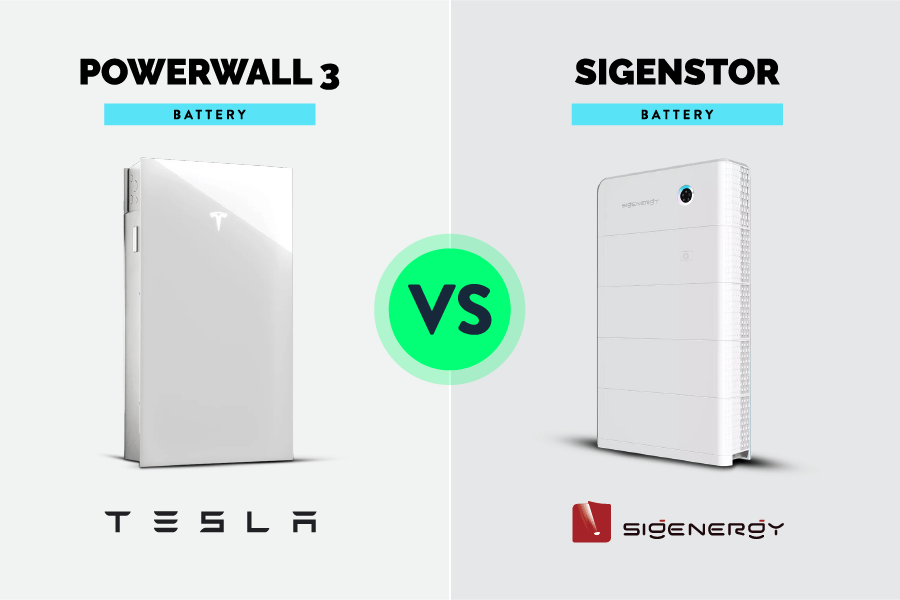
When it comes to the forefront of home battery storage, the Tesla Powerwall 3 and Sigenergy SigenStor battery stand out as two of the best solar battery options available in the UK today. Both offer features such as backup power (EPS), scalability, compatible EV chargers, and more. But which one is the best fit for your home?
In this blog, we’ll provide a detailed comparison, highlighting the key differences between the Tesla and Sigenergy battery options, to help you make an informed decision on the right battery for your needs.
[table id=24 /]
Sigenergy Vs Powerwall 3
Tesla
- Founded: 2003
- Product Maturity: October 2016
- Warranty: 10-year warranty with unlimited cycles and 80% capacity retention
Sigenergy
- Founded: 2022
- Product Maturity: June 2023
- Warranty: 10-year warranty with 70% capacity retention
Tesla VS Sigenergy: Brand & Product Maturity
Founded in July 2003, Tesla has grown into one of the most influential and innovative brands worldwide. Since the introduction of the Powerwall 1 in 2015, Tesla has remained at the forefront of home battery storage. The Powerwall 1 was followed by the Powerwall 2 in 2017, which has now evolved into the Powerwall 3, launched in late 2024. This new model is the first to feature a fully integrated hybrid inverter alongside its battery storage, offering a complete all-in-one solution. With over 10 years of battery manufacturing expertise, the Powerwall 3 is a highly refined, mature product that reflects Tesla’s continuous innovation and industry experience. This is further validated by the fact that to date, we have not encountered any remedial issues with Tesla installations. The product’s evolution is evident, and thanks to the scale and sophistication of Tesla’s systems, any faults are detected and resolved remotely, ensuring a reliable performance and peace of mind for customers.
In contrast, although Sigenergy was founded in 2022, it has quickly emerged as a formidable competitor in the energy storage market. Led by Tony Zuu, former president of Huawei’s Fusion Solar division, Sigenergy achieved the shortest time on record to reach US$100 million in annual sales. As a rapidly growing company, Sigenergy has swiftly earned a reputation as a trusted and innovative partner in the industry.
Warranty
When it comes to warranty coverage, Tesla’s unlimited cycle warranty offers greater peace of mind. Its 10-year warranty covers all components of the Tesla Powerwall system, including the Gateway 2 and any expansion packs. In contrast, the Sigenergy Gateway comes with only a 1-year warranty, highlighting the difference in manufacturer confidence and product longevity.
While Sigenergy does offer extended warranty options, they come at an additional cost and must be purchased within the first year of ownership. This distinction underscores Tesla’s trust in its products and its commitment to long-term reliability.
Product Aesthetics
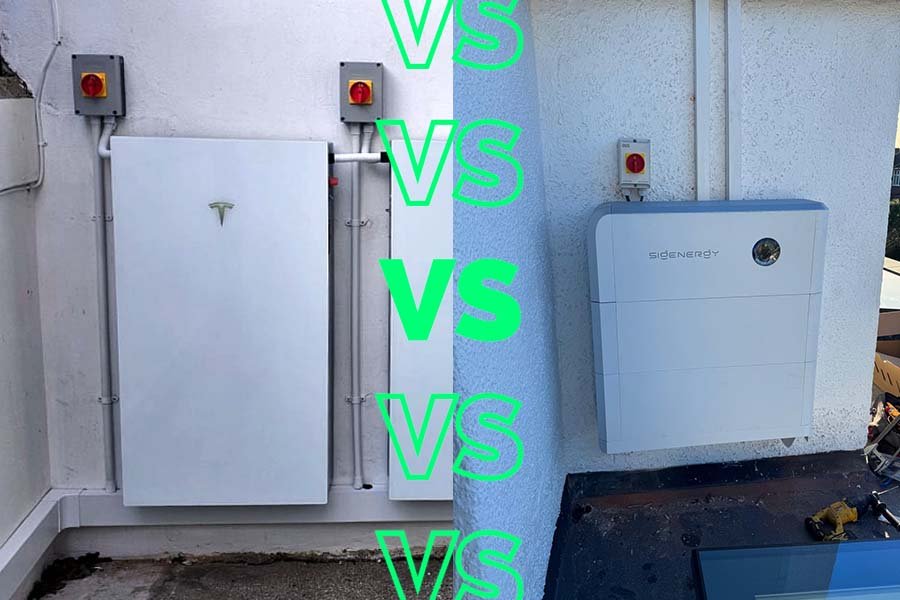
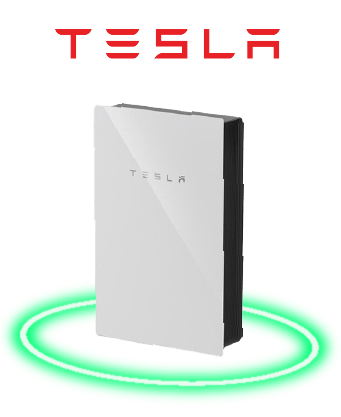
The Tesla Powerwall 3 and Sigenergy SigenStor have very different designs, each catering to different aesthetic and functional preferences. The Powerwall 3 embraces a high-end, industrial, futuristic design philosophy. Staying true to Tesla’s signature clean, white minimalist design, the Tesla Powerwall is the perfect match for Tesla owners.
In contrast, the SigenStor’s modular design can look somewhat underwhelming with only a few battery modules installed, but as a full stack, it stands tall with visible stacking lines and a compact footprint, making it a practical choice for tight spaces.
One of the SigenStor’s standout features is its circular LED display, which serves as a visual indicator for battery status, system operation and health. This unique LED ring provides real-time feedback, alerting users to charging status, power output and any potential issues. While not everyone may find it essential, there’s no denying that it adds a futuristic and eye-catching touch to the system.
Battery Capacity & Scalability
Tesla Powerwall 3
- 13.5kWh usable capacity.
- Supports 4 stacks per phase.
- Expandable up to 54kWh of battery capacity per phase.
- Wall or Ground-Mounted in a stacked configuration behind a Powerwall 3.
Sigenergy SigenStor
- Modular design offering both 5kWh and 8kWh battery modules.
- Supports 6 modules per stack.
- Expandable up to 48kWh of battery capacity per phase.
- Ground-Mounted Installation
When choosing between the Tesla Powerwall 3 and the Sigenergy SigenStor, battery storage capacity and expansion are key considerations.
Thanks to the Tesla Powerwall 3 expansion packs, which are slightly thinner than the main unit, you can achieve up to 54kWh of storage on a single-phase system, offering a higher overall capacity compared to the SigenStor. However, the Sigenergy SigenStor, offers a modular, easily scalable stackable design, with both 5kWh and 8kWh module options available. Unlike the Powerwall 3, these units stack vertically, making them more versatile for installation. By utilising unused vertical space rather than taking up valuable floor area, the SigenStor is particularly well-suited for smaller properties, such as apartments.
When it comes to installation, the Sigenergy all-in-one system offers greater ease of expansion. An 8kWh Sigenergy battery weighs just 70kg, making it more manageable to handle. In contrast, a Tesla Powerwall expansion pack weighs 110kg and requires additional battery handles (an extra cost), as well as two installers on-site for safe manovering.
Inverter Size & Scalability
Tesla Powerwall 3
- Comes with a 11.04kW Built-in hybrid Inverter
- The integrated inverter can be adjusted in size through the software. (3.68 kW – 11 kW)
- Supports up to 20kW of maximum PV Power per phase.
- Supports 3 MPPT
Sigenergy SigenStor
- Modular design offering options of 3kW to 12kW on a single phase.
- Three-phase options: 5kW to 30kW per phase.
- Supports up to 24kW of maximum PV Power.
- Requires a new inverter for capacity upgrades.
- Supports up to 4 MPPT
While the Tesla Powerwall 3 features an integrated inverter, the modular design of the SigenStor allows for a range of inverter sizes, from 3kW to 12kW on a single phase and 5kW to 30kW on a three phase system. This flexibility enables it to support a higher overall PV output, especially on a three-phase system.
Unique to the Powerwall 3, is its software-adjustable inverter size. This allows for dynamic DNO compliance without the need for physical upgrade. In comparison, the Sigenergy system requires you to physically upgrade the size of your inverter if you were to scale the size of your solar panel system.
However, if your roof can only accommodate enough solar panels to support 5kW of solar, the Powerwall 3’s larger inverter may be unnecessary, potentially increasing costs. With Sigenergy, you can select the right inverter size from the start, offering a more cost-effective solution for your solar PV system.
Price: Is Tesla Powerwall 3 or Sigenergy SigenStor Cheaper?
Package Price Comparison
[table id=23 /]
*This price includes installation, IWA registration, MCS certification, EPVS validation, 1 side of access equipment, DNO registration and 5 years workmanship warranty.
Additional Batteries
[table id=22 /]
*This price reflects the cost of upgrading the storage capacity within our package offers. When additional storage is installed alongside solar panels or an inverter, the customer can save on labour costs.
When looking at expansion, thanks to its modularity Sigenergy becomes more cost-efficient for large-scale storage system.
EV Charger Price Comparison
Adding an EV charger to one of our packages costs £750 for a Tesla EV Charger and £890 for Sigenergy’s AC EV Charger, making Tesla the more cost-effective option.
To upgrade your unit with the EV DC Charger module, it costs between £3,500 – £4,000.
System Compatibility
Works with Power Optimisers
Unlike the Tesla Powerwall 3, Sigenergy’s SigenStor is compatible with various optimisers, such as Tigo. If your solar panel installation is subject to shading, the SigenStor battery system may be the better choice, as optimisers help mitigate the impact of shading on solar panels and maximise your energy production.
The Tesla Powerwall 3, however, does not support power optimisers due to its built-in Arc-Fault Circuit Interrupter (AFCI) technology. This safety feature actively monitors for electrical arcs within your PV array, and if detected, automatically stops power conversion and disconnects from the grid to prevent potential hazards—providing an added layer of protection and peace of mind.
Works with Octopus Intelligent Flux
Currently, Tesla are 1 of only 3 brands (alongside Enphase and Givenergy) that are compatible with Intelligent Octopus Flux, an exclusive tariff for solar and storage owners from Octopus Energy.
Still a beta product, Intelligent Octopus Flux, is a smart import and export tariff, which will charge your batteries during the cheapest rates and export any surplus energy you have back to the grid during peak rate hours. This tariff aims to give you the best rates for consuming and selling your energy, to the point where you could even make a profit.
Future Proofing
EV Charging
Whilst Tesla and Sigenergy both offer EV Chargers that allow you to charge your electric car with solar energy, Sigenergy takes it a step further by offering a DC-coupled EV Charger.
A first of its kind, the Sigen EV DC Charging Module supports 25kW bi-directional charging, allowing homeowners to directly utilise the DC power from their solar panels or battery storage system.
In contrast, the Tesla EV Charger can only use surplus AC energy, limiting charging speeds to 7kW. The Sigenergy EV charger delivers a significantly faster and more convenient home charging solution, offering up to 25kW of power—providing up to 150km of driving range in just one hour of charging.
A future proof product, the Sigenergy DC Charger is both V2H (Vehicle-to-Home) and V2G (Vehicle-to-Grid) ready, offering homeowners limitless possibilities for modern sustainable living. Not only does this mean your EV can act as a generator for you home during power outages, but it could also provide support for the Grid’s increasing demand. Whilst this is an exciting feature, it remains highly user specific and with an upgrade to the EV DC charger module costing between £3,500 to £4,000, it may be difficult for many homeowners to justify the investment. Additionally, the inverter must be installed near the vehicle, which isn’t always practical for every home setup.
Eco-Friendly Design
The Tesla Powerwall 3 introduces an all-new recyclable and reusable packaging scheme. Tesla have developed a new initiative whereby installers can return the clamshell cases back to Tesla for reuse, and in return receive a rebate on their order. This forward-thinking approach promotes a circular economy, minimises waste, and reduces disposal costs for the installer— a saving that can then be passed on to the customer.
Back up Power
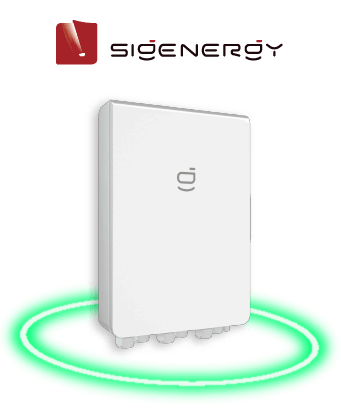
Sigen Energy Gateway HomeMax
- Reaction Time: 0ms
- Size: 455 / 660 / 179 mm
- Weight: 19kg
- Modularity: Supports 3 SigenStor Systems, 7kW EV Charging, 22kW Generator
- Connectivity: Fast Ethernet, RS485, dry contact
- IP Rating: IP54
- Warranty: 1 Year
Tesla Powerwall Gateway 2
- Reaction Time: 0ms
- Max no of connection: 6
- Size: 584 / 380 / 127 mm
- Weight: 11.4 kg
- Modularity: Supports up to 10 Powerwalls
- Connectivity: Ethernet, Wi-Fi, Cellular (LTE/4G)
- IP Rating: IP55
- Warranty: 10
While the Tesla Powerwall 3 includes the Gateway 2 by default for full Emergency Power Supply (EPS) and communication functions, the Sigenergy all-in-one system offers its backup solar gateway as an optional add-on thanks to its modularity. This means that if you’re considering the Powerwall 3, you may end up paying for additional functionality that you might not necessarily need.
Although Sigenergy offers 3 single-phase and 3 three-phase gateway options, providing a more tailored approach, the Tesla Powerwall Gateway stands out for its greater versatility from an installation perspective. Unlike Sigenergy’s pre-built solution, which works well for standard setups, the Powerwall Gateway is mounted on a DIN rail, enabling custom configurations that better align with the specific needs of the home and user. This added flexibility makes the Powerwall Gateway a more adaptable solution for those requiring bespoke energy management setups. In contrast, our installers have often used the Sigenergy power supply but have opted to install a separate distribution board in order to achieve similar results. Highlighting the difference in design flexibility between the two systems.
Safety Features
Tesla Powerwall 3 Saftey Features
- Arc Fault Circuit Interrupter (AFCI)
- Rapid Shutdown (RSD)
- Fitted with a Mid-Circuit Interrupter (MCI) Solar Shutdown Device. Supports up to 24kW of maximum PV Power.
- Thermal Monitoring and Management
Sigenergy SigenStor 5-Layer Battery Protection
- Integrated Temperature Sensors
- Internal Fire Extinguisher
- Aerogel-insulated Pads.
- High Temperature-Resistant Insulated pads.
- PV Disconnection Protection
- DC Ground-Fault Protection.
- Grid Fault Protection
- DC Bus Protection
Smart Features
Sigen AI
One of Sigenergy’s standout features is its use of AI-driven optimisation to enhance efficiency and reduce energy costs. By integrating a cloud-native approach with machine learning capabilities, Sigenergy creates a self-evolving system that intelligently adapts to maximise performance.
Sigen AI continuously learns from user behaviour, refining its ability to predict and optimise electricity usage over time. This adaptive intelligence enables the system to respond to dynamic tariff structures, helping homeowners and businesses maximise savings and efficiency effortlessly. Although currently a free feature, there is no possibility of ruling out it will soon become part of a paid subscription plan.
Tesla’s Storm Watch
Tesla’s Storm Watch ensures your Powerwall 3 is always prepared for unexpected power outages by automatically charging to full capacity when a severe weather event is detected. This proactive feature maximises your home’s backup protection, ensuring you have enough stored energy when you need it most. Storm Watch is only activated in response to severe local weather alerts, making it particularly beneficial for those living in storm-prone or extreme weather regions.
The Final Verdict on Tesla Powerwall 3 or Sigenergy
Key reasons why you should choose the Powerwall 3
- A Reputable Brand you can trust to be in the industry for a long time.
- Unlimited cycle warranty for long-term peace of mind.
- Works with Octopus Intelligent Flux.
- Customisable Back-up Power Options.
Key reasons why you should choose the Sigenergy Sigenstor system
- Modular storage for flexible expansion and installation.
- Future-proofed EV charging with V2H/V2G capabilities and DC faster charging.
- Compatible with Solar panel optimisers to mitigate the impact of shading.
- Features AI- Powered Technology for further savings.
Choosing between Tesla Powerwall 3 vs Sigenergy SigenStor ultimately depends on your personal preferences, home energy needs and future plans.
If you’re unsure which system is right for you, Tesla or Sigenergy, we would recommend consulting with one of our energy advisors to determine which solar battery is the best match for your requirements. If you are a UK homeowner, looking to install the best solar panel system, call our installation team today on 01322 479369, or click the “Enquire Now” button to discuss your options further.

Share article


Share article
Sending…