-
Now live! Generate even more savings with our Skygate system. Click here to learn more.

On this page
- What Is a Heat Pump and How Does It Work?
- What Are the Benefits of Switching to a Heat Pump?
- What Are the Different Types of Heat Pumps?
- Heat Pump Installation Process
- Which Heat Pump Grants Can I Avail Of?
- Integrating Heat Pumps and Solar Panels
- Maintenance and Servicing
- Why Now Is the Time to Switch to a Heat Pump
- About Upvolt
- FAQ
Solar Photovoltaic
13 mins read
The Ultimate Guide to Heat Pumps
19 Aug 2025Heat pumps are becoming a preferred choice for UK homeowners seeking an efficient and sustainable heating solution. This guide covers how they work, the benefits they offer, the installation process, available grants, and how integrating solar PV and battery storage can further improve comfort, savings, and environmental performance.
Take the first step toward energy independence today.
get a quote
On this page
- What Is a Heat Pump and How Does It Work?
- What Are the Benefits of Switching to a Heat Pump?
- What Are the Different Types of Heat Pumps?
- Heat Pump Installation Process
- Which Heat Pump Grants Can I Avail Of?
- Integrating Heat Pumps and Solar Panels
- Maintenance and Servicing
- Why Now Is the Time to Switch to a Heat Pump
- About Upvolt
- FAQ
Heat pumps are fast becoming a leading choice for UK homeowners seeking a sustainable and efficient alternative to gas or oil heating. Their ability to provide heating, cooling, and hot water from renewable sources makes them a cornerstone of the country's journey toward net zero. For households that pair a heat pump with solar panels, the benefits are even greater. You can reduce your bills further and lower your environmental impact. In many cases, much of your heating energy can be generated directly from your own roof. This guide will explain how heat pumps work and highlight the key benefits they offer. It will also outline the installation process. Finally, we'll show how combining heat pumps with solar PV and battery storage can maximise savings, boost efficiency, and cut emissions.

13 min read
On this page
- What Is a Heat Pump and How Does It Work?
- What Are the Benefits of Switching to a Heat Pump?
- What Are the Different Types of Heat Pumps?
- Heat Pump Installation Process
- Which Heat Pump Grants Can I Avail Of?
- Integrating Heat Pumps and Solar Panels
- Maintenance and Servicing
- Why Now Is the Time to Switch to a Heat Pump
- About Upvolt
- FAQ
Key Takeaways
- Heat pumps can deliver heating, cooling, and hot water by transferring renewable heat from the air or ground.
- Air source, ground source, and hybrid heat pumps each offer different performance, installation needs, and costs.
- UK homeowners may be eligible for grants that reduce upfront costs, such as the Boiler Upgrade Scheme.
- Pairing a heat pump with solar PV and battery storage can improve efficiency and reduce reliance on the grid.
What Is a Heat Pump and How Does It Work?
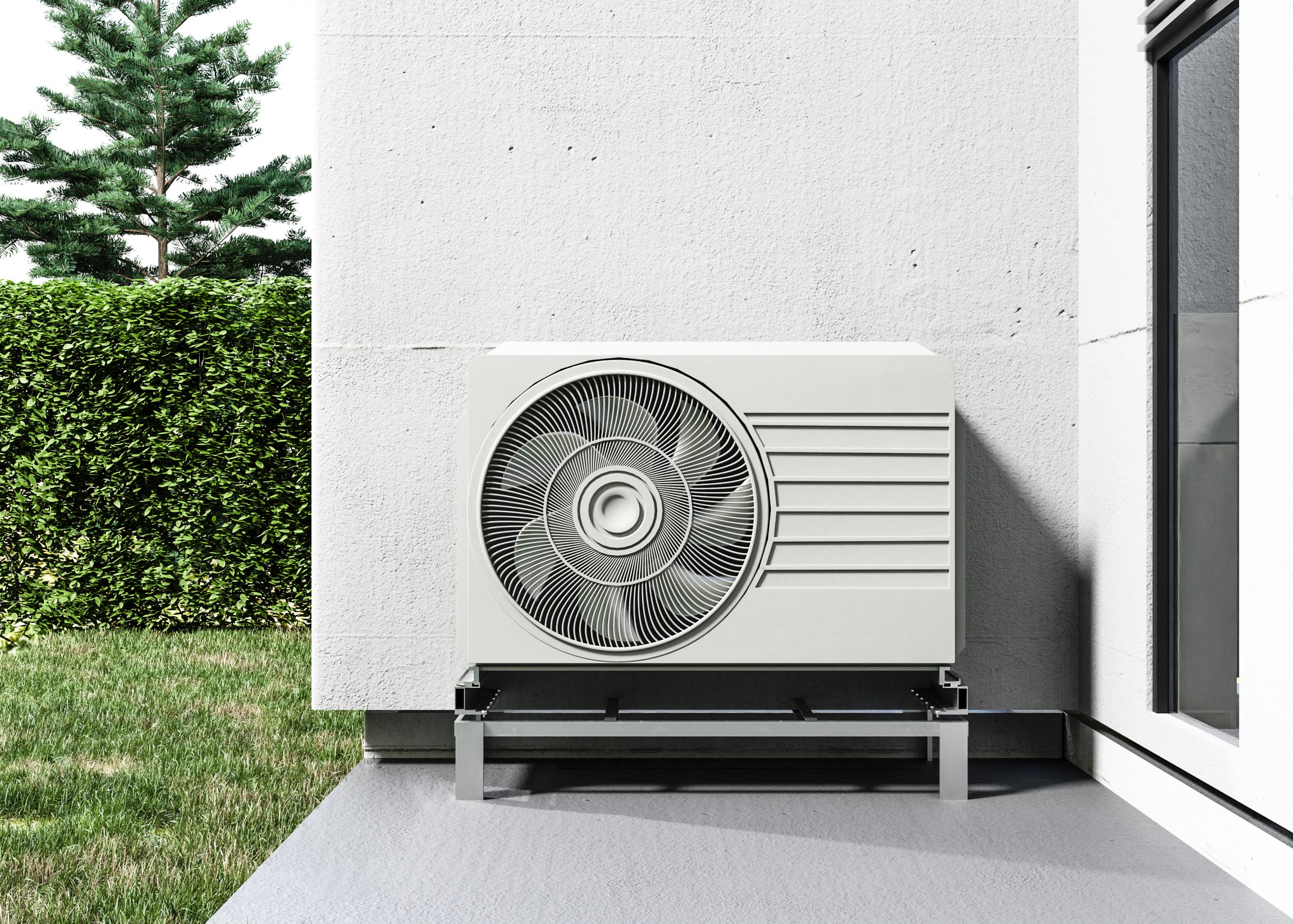
A heat pump moves heat from one place to another rather than creating it through combustion. In heating mode, it extracts warmth from the air or ground and transfers it indoors using a refrigeration cycle. In cooling mode, the process reverses, removing heat from your home. This versatility allows a heat pump to serve as a year-round climate control system.
The technology’s efficiency is what sets it apart. While even a new gas boiler runs at around 90% efficiency, a modern heat pump can achieve 300–400%. That means for every 1kWh of electricity used, it can deliver 3–4kWh of heat.
Components of a Heat Pump System
A typical domestic heat pump setup includes several key components, each playing an important role in the system’s performance:
- Outdoor Unit: For air source models, this contains a fan, evaporator coil, and compressor. It captures heat from the air and begins the transfer process. For ground source models, the outdoor unit connects to buried pipework that extracts heat from the ground.
- Indoor Unit: Houses the condenser coil and expansion valve, transferring the captured heat into your home’s heating system or hot water cylinder.
- Refrigerant Circuit: A closed loop of specialised fluid that absorbs, transports, and releases heat during the refrigeration cycle.
- Compressor: Increases the temperature of the refrigerant by applying pressure, making the heat usable for home heating.
- Heat Distribution System: Usually radiators, underfloor heating, or a combination of both, designed to operate efficiently at lower flow temperatures.
- Controls and Thermostat: Allow precise temperature management, often with smart integration through apps like Upvolt’s Skygate® platform for real-time monitoring and optimisation.
| Explore exactly how heat pumps transfer heat and deliver efficiency in our heat pump working process guide. |
What Are the Benefits of Switching to a Heat Pump?
Heat pumps offer more than reduced energy bills. They provide a cleaner, more efficient, and future-ready heating solution for UK homes. The advantages range from significant cost savings to healthier indoor air, making them a valuable long-term investment.
Here are the main advantages of switching to a heat pump:
Cut Household Heating Costs
One of the strongest motivations for installing a heat pump is the potential to cut household heating costs. Switching to a heat pump can deliver long-term savings, particularly for homes currently using electric, oil, or LPG heating.
According to the Energy Saving Trust, replacing an old (G-rated) gas boiler with an air source heat pump could save up to £260 annually, while households moving to ground source heat pump can save around £490.
These savings can increase further when a heat pump is powered by solar PV, as more of your heating demand is met without buying electricity from the grid. This is especially effective during daylight hours in spring and autumn when heating needs are moderate.
Lower Your Carbon Footprint
Heat pumps use electricity rather than burning fossil fuels, which means fewer greenhouse gas emissions. When connected to a low-carbon electricity source such as solar panels or a green energy tariff, the environmental impact is minimal.
The average three-bedroom home in the UK could save 1,404kg of COâ‚‚ a year by switching from a gas boiler to a heat pump. In the context of the UK’s climate goals, heat pumps are one of the most impactful changes a household can make.
Improve the Air Quality of Your Home
A heat pump can also have a positive effect on the air you breathe indoors. Traditional boilers produce emissions that can contribute to indoor air pollution. Heat pumps avoid this by generating no on-site combustion gases.
Many models also feature built-in air filtration that can remove dust, pollen, and other particulates from circulating air. For households with asthma or allergy sufferers, this can create a noticeably cleaner and healthier indoor environment.
Low Maintenance and User-Friendly
Ease of upkeep is another benefit that appeals to many homeowners. Heat pumps require relatively little maintenance compared to boilers. An annual professional service will usually cover cleaning coils, checking refrigerant levels, and testing controls.
The lack of combustion means fewer parts are exposed to wear, extending system lifespan. Many models integrate with smart controls and apps, allowing homeowners to adjust settings, monitor energy use, and optimise performance remotely.
What Are the Different Types of Heat Pumps?
There are three main types of heat pumps. Each works best for certain property styles, heat requirements, and budgets. A clear view of the differences helps homeowners choose the best system for their needs.
Air Source Heat Pumps
Air source heat pumps extract heat from the outdoor air, even in cold weather. They are generally the most affordable option, with installation costs typically between £7,000 and £13,000. Installation is less invasive than other systems, requiring only space for an outdoor unit and minimal internal changes.
Efficiency levels are impressive, with many models producing three times the heat energy they consume in electricity. They are particularly well-suited to well-insulated homes and can integrate easily with solar PV to further reduce running costs.
Ground Source Heat Pumps
Ground source heat pumps use the steady temperatures found below ground to provide heating. They do this through a network of buried pipes filled with a heat transfer fluid. Installation needs more space and groundwork, so these systems are more common in rural or suburban properties with gardens or open land.
Although the upfront cost is higher, often between £14,000 and £25,000, efficiency is also higher, sometimes up to 400%. Ground source systems deliver stable performance in all seasons and have an expected lifespan of over 20 years, with underground loops lasting 50 years or more.
Hybrid Heat Pump Systems
A hybrid heat pump system combines a heat pump with an existing gas or oil boiler. The heat pump covers the majority of heating needs, with the boiler providing backup in extreme cold. This approach can be a good transitional step for homes not yet fully ready to move away from fossil fuels.
Comparison of Heat Pump Types
| Type | Typical Cost (Installed) | Efficiency (COP) | Best Suited For | Lifespan | Key Considerations |
| Air Source | £7,000–£13,000 | ~300% | Well-insulated homes; limited space | 15–20 years | Affordable, easy to install, performance varies with outside temperature |
| Ground Source | £14,000–£25,000 | Up to 400% | Properties with gardens/land | 20+ years (loops 50+ years) | Higher upfront cost, requires digging, very stable performance |
| Hybrid (Heat Pump + Boiler) | £10,000–£15,000+ | ~250–350% | Homes not ready to fully transition from gas/oil | Varies (depends on boiler + pump) | Good transitional option, relies partly on fossil fuels |
Heat Pump Installation Process
A professional installation follows a clear sequence to ensure the system works efficiently and suits your property.
- Initial Property Assessment: An installer surveys the home to check insulation, measure heat loss, and confirm available space for equipment. This step ensures the correct system type and size.
- System Design and Sizing: A tailored design is prepared, selecting the right heat pump model, planning equipment placement, and factoring in any solar PV or battery integration.
- Site Preparation: The area for installation is cleared and any necessary upgrades to the heating system are completed.
- Outdoor Unit Installation: The heat pump unit is positioned and secured outside the property.
- Indoor Unit and Connections: The indoor unit is fitted and linked to the heating and hot water systems.
- Electrical Setup: Wiring and controls are installed to connect the system to the home’s electrical supply.
- Testing and Commissioning: The installer checks performance, safety, and efficiency before handing the system over and explaining how to use it.
At Upvolt, we also use our proprietary Skygate® platform. After your system is installed, we connect it to the platform, giving you a single dashboard to monitor heat pump, solar PV, and battery performance.
Air source systems typically take 2–3 days to fit. Ground source systems often require 1–2 weeks due to the groundwork for pipes or boreholes.
Stay Connected with Upvolt
Get the latest updates on energy innovations, smart solutions, and exclusive offers.
Which Heat Pump Grants Can I Avail Of?
In England and Wales, the Boiler Upgrade Scheme (BUS) provides a grant of up to £7,500 towards the cost of fitting an air source or ground source heat pump. This funding is paid directly to the installer, reducing the amount you pay upfront.
To qualify, the property must be a home or small non-domestic building that you own, and it must have a valid Energy Performance Certificate (EPC) with no outstanding recommendations for loft or cavity wall insulation. New builds generally do not qualify unless they are self-builds.
Scotland offers similar support through the Home Energy Scotland Loan and Grant, which can provide up to £7,500 in funding, plus an additional £1,500 if the home is in a rural area. In Northern Ireland, incentives are currently limited, but low-interest loans may be available through certain schemes or banks.
Integrating Heat Pumps and Solar Panels
When paired together, solar panels and heat pumps create a highly efficient, low-carbon home heating solution. Solar panels generate electricity from daylight, which can be used to power the heat pump. The heat pump then uses this electricity to extract renewable heat from the air or ground and deliver it into your home’s heating and hot water systems.
The efficiency gains can be significant. A typical home fitted with both systems could save around £1,300 a year compared to a gas boiler. Carbon reductions are equally substantial; installing a solar panel system on your roof can reduce your home’s COâ‚‚ emissions by roughly 725kg each year. Pairing solar panels with a heat pump takes those benefits further, using your own renewable electricity to power your heating and hot water.
For many properties, solar generation is highest during daylight hours in spring and autumn, aligning with moderate heating demand. By storing excess energy in a home battery or using smart controls such as Upvolt’s Skygate® platform, homeowners can further optimise self-consumption, reduce grid dependency, and improve system payback times.
Maintenance and Servicing
A well-maintained heat pump runs more efficiently, lasts longer, and delivers more consistent comfort throughout the year. Regular checks prevent small issues from becoming costly repairs and help maintain any manufacturer warranty. For homes with solar PV, keeping the heat pump in top condition ensures you get the maximum benefit from self-generated electricity.
Routine Maintenance for Homeowners
While most heat pump maintenance and servicing should be carried out by a qualified technician, homeowners can take simple steps to keep performance high between professional visits:
- Clean or replace air filters every one to three months to maintain strong airflow.
- Keep the outdoor unit clear of leaves, dirt, and debris to ensure unrestricted ventilation.
- Check vents and grilles indoors to make sure they are open and free of obstructions.
- Monitor thermostat performance and adjust seasonally to ensure accurate temperature control.
Professional Servicing Checklist
An annual service visit typically includes:
- Cleaning or replacing filters.
- Inspecting and cleaning indoor and outdoor coils to restore efficient heat transfer.
- Checking refrigerant levels and testing for leaks.
- Testing and tightening electrical connections.
- Cleaning and balancing blower and fan assemblies.
- Calibrating the thermostat and verifying system response.
- Inspecting and flushing the condensate drain to prevent blockages.
These checks help maintain efficiency, prevent breakdowns, and extend system life. For high-demand households or homes with integrated solar and battery systems, a twice-yearly service may be recommended.
Signs Your Heat Pump Needs Attention
Book a service promptly if you notice:
- Unusual noises such as grinding, buzzing, or rattling.
- Weak or inconsistent airflow.
- Sudden increases in energy bills without a change in usage.
- Ice build-up on the outdoor unit.
- Short cycling or frequent on–off operation.
Why Now Is the Time to Switch to a Heat Pump
The UK is moving decisively toward a low-carbon future, with fossil fuel heating systems being phased out and renewable alternatives taking centre stage.
Energy prices remain unpredictable, and homeowners are seeking ways to take control of their bills without compromising on comfort. A heat pump offers exactly that: a dependable, efficient, and future-proof heating solution that works all year round.
By acting now, you can take advantage of generous government incentives that can significantly reduce upfront costs. Modern heat pump systems are designed for longevity, providing reliable heating, hot water, and even cooling, all while reducing your home’s environmental impact.
Unlike traditional systems, they deliver consistent performance with minimal maintenance, making them a sound long-term investment.
Upgrading today allows you to lock in the benefits sooner: lower running costs, reduced reliance on fossil fuels, and the satisfaction of knowing your home is ready for the UK’s greener energy landscape.
The sooner you switch, the sooner you start saving, and the sooner your household can enjoy the comfort, control, and sustainability that only a high-quality heat pump can provide.
About Upvolt
At Upvolt, we specialise in high-performance air source and ground source heat pumps, designed for maximum efficiency, durability, and seamless integration with renewable energy systems. We also offer solar PV and battery storage solutions, allowing you to generate, store, and use your own clean energy while further reducing your reliance on the grid.
Our systems are built from top-quality components sourced from trusted global manufacturers, ensuring outstanding performance and long-term reliability. From the initial property assessment and system design to professional installation, commissioning, and ongoing maintenance, our in-house team manages the entire process to guarantee a smooth, hassle-free experience.
Through our Skygate® platform, you can monitor energy production and usage in real time, giving you complete visibility and control over your home’s energy efficiency. Whether you’re looking to cut energy bills, lower your carbon footprint, or create a more sustainable home, Upvolt delivers a solution tailored to your needs.
Start your journey today. Get a free, no-obligation quote and discover how a heat pump, integrated with solar PV and battery storage, can transform your home’s comfort, efficiency, and sustainability.
FAQ
How does a heat pump work?
A heat pump moves heat from the air or ground into your home instead of creating it by burning fuel. In heating mode, it draws natural warmth from outside and transfers it indoors through a refrigeration cycle. In warmer months, the process reverses to provide cooling.
Are heat pumps efficient in cold weather?
Yes. Modern heat pumps are built to perform efficiently even in freezing conditions. Although efficiency can dip slightly in very low temperatures, they still produce more heat energy than the electricity they use, making them a reliable year-round option.
How long can a heat pump last?
A well-installed and regularly maintained heat pump can operate for up to 30 years. Lifespan is influenced by the quality of the system, how often it runs, and whether it receives routine servicing.
Do I need planning permission for a heat pump?
Most heat pump installations do not require planning permission as they fall under permitted development rights. Exceptions can include listed properties, homes in conservation areas, or cases where the installation would significantly alter the building’s appearance.
How much does it cost to install a heat pump?
Installation costs vary depending on the system type, property size, and complexity of the work. Air source heat pumps are generally less expensive than ground source systems, and available government grants can make either option more affordable.

Alex Lomax
CEO & Co-Founder
Share article


Share article