-
Now live! Generate even more savings with our Skygate system. Click here to learn more.

On this page
Renewable Energy Hardware
7 mins read
Solar Panel Installation in Buckinghamshire: A Step-by-Step Guide
9 Mar 2025Learn about solar panel installation in Buckinghamshire, from system design to installation and maintenance.
Take the first step toward energy independence today.
get a quote
On this page
With rising energy costs and a growing focus on sustainability, solar panel installation is an excellent investment for homes and businesses across Buckinghamshire. Whether you're in Aylesbury, High Wycombe, or Milton Keynes, installing solar panels can significantly reduce energy bills and contribute to a greener future

7 min read
On this page
- Step 1: Assessing Your Home’s Suitability for Solar Panels
- Step 2: Choosing the Right Solar Panel System
- Step 3: Finding a Reliable Solar Panel Installer in Buckinghamshire
- Step 4: The Solar Panel Installation Process
- Step 5: Maintaining and Monitoring Your Solar Panel System
- Let’s Recap
- About UpVolt
- FAQ
This guide walks you through the entire solar panel installation process—from assessing your property’s suitability to selecting an installer and maintaining your system—so you can confidently transition to solar power.
Key Takeaways
- Buckinghamshire’s average of 1,500+ sunlight hours per year makes solar panels a cost-effective choice.
- Evaluating roof orientation, shading, and energy needs before installation is important.
- The installation process includes consultation, system design, fitting, and final inspection.
- Regular cleaning and monitoring ensure long-term efficiency and savings.
Step 1: Assessing Your Home’s Suitability for Solar Panels
Before installing a solar PV system in your Buckinghamshire home, it’s important to determine whether your property is suitable for solar panels. A professional installer will assess key factors, including:
Roof Orientation
The direction your roof faces influences how much sunlight your panels receive:
- South-facing roofs capture 100% of available solar energy, making them the most efficient.
- East- and west-facing roofs receive 75–85% of optimal energy and remain a viable option.
- North-facing roofs capture only 50% or less, making them less ideal unless installed at an optimal angle.
In Buckinghamshire, a well-positioned 4 kW solar system can generate around 3,500–4,000 kWh per year, which is enough to cover the annual energy usage of an average UK household (2,700 kWh per year).
Structural Integrity
Your roof needs to support the added weight of solar panels, which typically weigh 18–22 kg each. Key considerations include:
- Age of the Roof: Older roofs (20+ years) may require reinforcement before installation.
- Material: Solar panels are compatible with most materials, but slate or wooden shake roofs may need extra support.
- Load Capacity: A structural engineer can confirm whether your roof meets UK building regulations.
Shading and Sunlight Exposure
Shading from objects such as trees, chimneys, and nearby buildings can significantly reduce the efficiency of solar panels. Even partial shading on a single panel can lower the performance of the entire system. For instance, shading on just one solar cell in a panel can reduce the power output of the entire panel by 50–80%.
To mitigate these effects, it’s important to conduct a sunlight exposure analysis to determine the optimal placement of solar panels, ensuring they receive maximum sunlight throughout the day.
Step 2: Choosing the Right Solar Panel System
There are several types of solar panel systems to choose from, and selecting the best one depends on factors like your budget, energy requirements, and available roof space. Although more expensive, high-quality solar panels ensure greater efficiency, long-lasting performance, and significant savings on your energy bills over time.
Types of Solar Panels
- Monocrystalline panels – Highest efficiency, best for limited roof space.
- Polycrystalline panels – More affordable but slightly less efficient.
- Thin-film panels – Lightweight and flexible, ideal for large-scale installations.
Battery Storage Options
Adding a solar battery storage system allows you to store excess energy generated by your solar panels during the day for use at night or on cloudy days. A well-sized solar battery can store between 5–13 kWh of energy, allowing homeowners to use stored energy during peak hours or after sunset, significantly cutting down on electricity bills.
Step 3: Finding a Reliable Solar Panel Installer in Buckinghamshire
Choosing a certified and experienced solar PV installer in Buckinghamshire is key to ensuring a smooth installation. Consider these factors when selecting an installer:
- MCS Certification: Ensures the installer adheres to UK standards, providing quality assurance and eligibility for government incentives.
- Strong Local Reputation: Reading reviews from Buckinghamshire homeowners will give you insight into the installer’s reliability, service quality, and customer satisfaction.
- Comprehensive Warranties: A reputable installer should offer warranties on both the solar panels and the installation workmanship, protecting your investment for years to come.
- Aftercare and Support: Look for installers who offer ongoing maintenance, monitoring services, and support to ensure your system operates efficiently long after installation.
Questions to Ask Your Installer
- How many solar panel systems have you installed in Buckinghamshire?
- What warranties do you offer?
- Do you assist with government incentives or financing options?
Stay Connected with Upvolt
Get the latest updates on energy innovations, smart solutions, and exclusive offers.
Step 4: The Solar Panel Installation Process
Once you choose an installer, the process follows these steps:
-
Consultation and Site Survey
Start by completing our simple online survey. Follow the easy questionnaire, and in just a few steps, we can begin designing your solar system tailored to your home. Afterward, our solar experts will conduct a free consultation to assess your roof, energy needs, and shading, ensuring the most effective system design.
-
System Design and Approval
Based on the survey and consultation, our team will propose a custom system layout that includes the selection of solar panels, inverters, and battery options. We take into account your energy consumption and roof layout to create a solution that’s efficient and cost-effective.
-
Installation
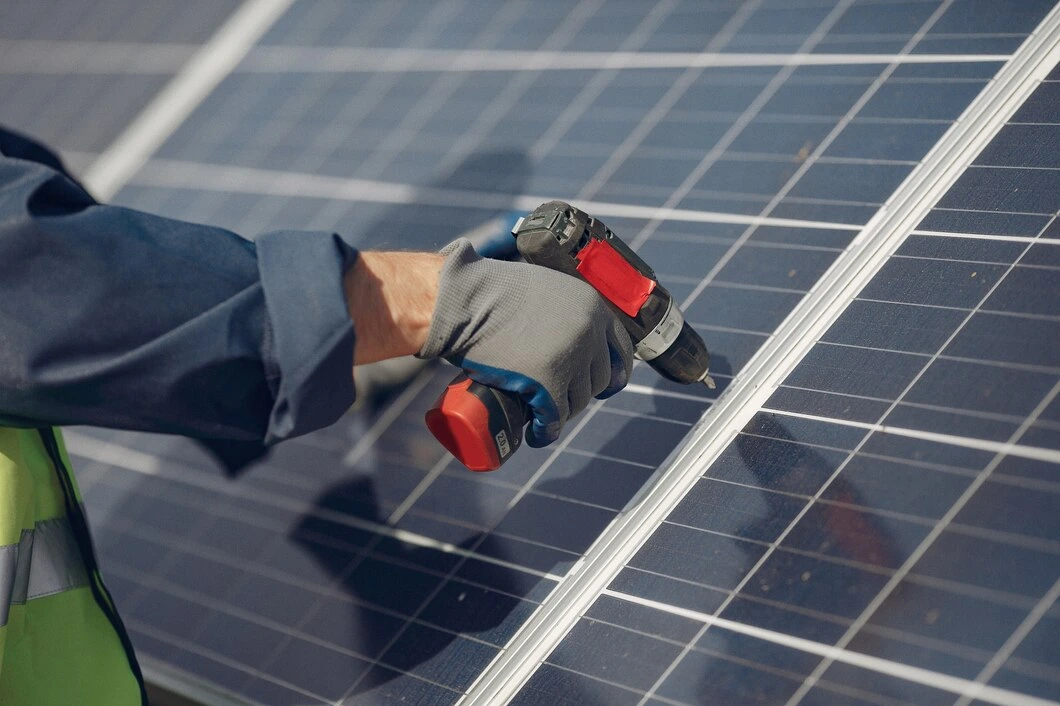
Once your system design is approved, the installation process begins. Solar PV installation usually takes one to three days and typically includes:
- Mounting panels securely onto the roof: Solar panels are positioned and fixed to ensure maximum efficiency while withstanding weather conditions.
- Installing the inverter: The inverter is set up and connected to your home’s electrical system to convert solar energy into usable power.
- Adding battery storage (if applicable): If you’ve opted for battery storage, this will be installed to store excess energy for use at night or during cloudy days.
- Final System Checks: The entire system is tested to ensure everything is functioning properly before the final inspection.
-
Final Inspection and Grid Connection
A safety inspection ensures compliance, and your system is connected to the National Grid so you can start generating power.
Step 5: Maintaining and Monitoring Your Solar Panel System
To keep your system running efficiently for years, follow these maintenance tips:
- Clean panels twice a year with water and a soft brush to remove dirt and debris, which can block sunlight and reduce efficiency.
- Check for loose wiring, cracks, or damage to prevent performance issues and ensure the system runs smoothly.
- Use apps like Skygate® to track energy production in real-time, allowing you to detect any potential faults or drops in performance.
Let’s Recap
Installing solar panels in Buckinghamshire involves assessing your home, selecting the right system, choosing a certified installer, and maintaining your panels for maximum efficiency. With 1,500+ hours of sunshine per year, solar power can significantly reduce your energy bills, lower your carbon footprint, and protect you from rising energy prices.
By following this guide, you’ll be well-prepared to make an informed decision and enjoy the benefits of clean, renewable energy, paving the way for a more sustainable future.
About UpVolt
UpVolt specialises in smart solar energy solutions for homes and businesses in Buckinghamshire. From consultation to installation and ongoing support, our expert team ensures seamless integration of solar PV panels and battery storage through our innovative Skygate® platform.
Take the first step toward energy independence with trusted solar solutions—get a free quote today!
FAQ
Why switch to solar energy?
Switching to solar lowers energy bills, reduces your carbon footprint, and increases energy independence.
What does solar PV installation involve?
Solar PV installation involves assessing your property’s suitability, including roof orientation, shading, and energy needs. A certified installer designs a custom system, selects the right panels, inverters, and optional battery storage, and installs the system, typically in one to three days.
How long does it take to install solar panels?
Most installations take 1–3 days, depending on system size and complexity.
Are there financial incentives for solar panel installation in Buckinghamshire?
Yes! The Smart Export Guarantee (SEG) allows you to sell excess energy back to the grid. Some homeowners may also qualify for ECO4 grants or other regional schemes.
Do I need planning permission from Buckinghamshire Council?
Most domestic solar installations fall under permitted development. However, if your property is listed or in a conservation area, you will need council approval.

Alex Lomax
CEO & Co-Founder
Share article


Share article