-
Now live! Generate even more savings with our Skygate system. Click here to learn more.

On this page
- How To Tell If Something Is Actually Wrong
- The Most Common Reasons Solar Panels Stop Working
- Is It Your Inverter Or Your Panels?
- Why Your Output May Have Dropped Without A Full Fault
- What You Can Check Yourself
- When To Stop Troubleshooting And Call An Installer
- How Upvolt Diagnoses And Fixes Solar Faults
- Let’s Recap
- About Upvolt
- FAQ
Solar Photovoltaic
14 mins read
Why Aren’t My Solar Panels Working?
27 May 2026How to identify solar panel faults and restore system performance.
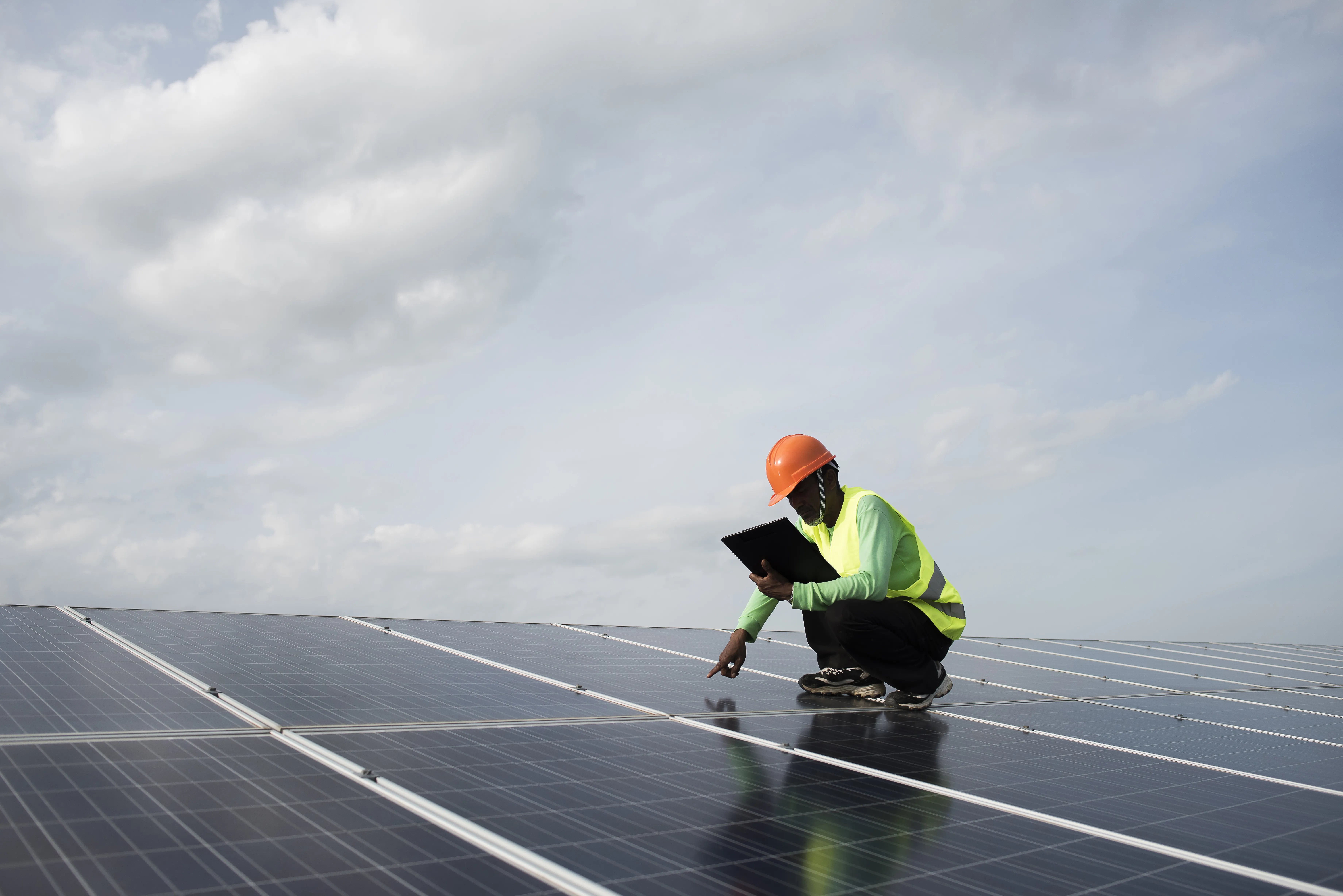
Take the first step toward energy independence today.
get a quote
On this page
- How To Tell If Something Is Actually Wrong
- The Most Common Reasons Solar Panels Stop Working
- Is It Your Inverter Or Your Panels?
- Why Your Output May Have Dropped Without A Full Fault
- What You Can Check Yourself
- When To Stop Troubleshooting And Call An Installer
- How Upvolt Diagnoses And Fixes Solar Faults
- Let’s Recap
- About Upvolt
- FAQ
When your solar panels stop producing what you expect, it’s easy to assume something has gone wrong. But in many cases, a drop in output isn’t a fault; it’s the result of normal conditions like weather, shading, or system behaviour.
This guide breaks down the most common causes, how to diagnose them, and what steps to take to get your system back to full performance.

14 min read
On this page
- How To Tell If Something Is Actually Wrong
- The Most Common Reasons Solar Panels Stop Working
- Is It Your Inverter Or Your Panels?
- Why Your Output May Have Dropped Without A Full Fault
- What You Can Check Yourself
- When To Stop Troubleshooting And Call An Installer
- How Upvolt Diagnoses And Fixes Solar Faults
- Let’s Recap
- About Upvolt
- FAQ
Key Takeaways
- Not all drops in solar output mean a fault; many are caused by weather, shading, or normal system behaviour.
- The inverter is the most common point of failure, not the panels themselves.
- Simple checks like isolator switches, monitoring data, and visible debris can often identify the issue quickly.
- Persistent faults, error codes, or zero generation should always be handled by a professional.
How To Tell If Something Is Actually Wrong
A drop in solar output doesn’t automatically mean there’s a fault. Many homeowners assume their system isn’t working when generation dips, but in most cases, it’s down to normal conditions rather than a technical issue. The key is knowing when to monitor and when to act.
What Normal Solar Output Looks Like
Solar generation naturally rises and falls throughout the year. In the UK, shorter days, lower sun angles, and heavier cloud cover in winter can reduce output significantly compared to summer.
What matters is consistency, not peak performance. If your system is tracking in line with seasonal patterns and past performance, it’s likely working exactly as it should.
How To Check Your Inverter Display Or Monitoring App
Your inverter or monitoring app is the quickest way to confirm system health. Most modern systems provide real-time performance data and clear status indicators.
Look out for:
- Normal or “green” operating status
- No persistent error codes or alerts
- Generation during daylight hours
If everything appears normal but the output is lower, it’s usually due to environmental factors rather than a fault.
The Difference Between A Fault And Low Performance
Low performance is often caused by external factors like weather, dirt, or shading. These reduce output but don’t stop the system from working.
A genuine fault is different. It typically involves:
- No generation at all during daylight
- Persistent error codes or warning lights
- System shutdowns or repeated interruptions
Understanding this distinction helps you avoid unnecessary callouts while still catching real issues early.
The Most Common Reasons Solar Panels Stop Working
When your system stops performing properly, the cause is usually one of a few common issues. Troubleshooting these issues quickly helps restore performance and minimise lost savings.
Inverter Faults
The inverter is the most common point of failure. Since it controls how energy is converted and used, even a small issue can impact your entire system.
Typical signs include:
- Warning lights or error codes
- No power despite sunny conditions
- Sudden or sustained drops in output
Shading, Soiling Or Physical Damage
External factors are one of the biggest causes of solar downtime. Even small obstructions can have a disproportionate impact.
Common issues include:
- Dirt, dust, or bird droppings blocking sunlight
- New shading from trees, buildings, or seasonal changes
- Cracks or damage from weather or impact
Tripped Switches Or Isolation Issues
Solar systems include safety mechanisms that shut the system down if something isn’t right. A tripped isolator or breaker can stop generation entirely.
These can be triggered by:
- Electrical faults or surges
- Maintenance or accidental switch-off
- Underlying wiring issues
Grid Or Connection Problems
Sometimes the issue isn’t your system at all. If the local grid becomes unstable, your inverter may shut down to protect itself.
This can happen due to:
- Voltage fluctuations in your area
- Temporary grid outages
- Network safety limits being exceeded
By understanding these common causes, you can quickly tell whether your system just needs a simple fix or professional attention, helping you protect both your energy savings and long-term performance.
Is It Your Inverter Or Your Panels?
When your solar output drops, the first step is identifying where the problem actually sits. Many homeowners assume their panels have failed, but in reality, the inverter is far more often the cause.
Getting this right early saves time, avoids unnecessary repairs, and helps you take the right next step with confidence.
How To Tell Which Component Is The Problem
Your inverter is the easiest place to start. It acts as the control centre of your system and will usually show clear signs if something isn’t right.
Look for these indicators:
- Inverter issues: blank display, warning lights, persistent error codes, or unusual noises
- Panel issues: low output despite strong sunlight, visible dirt, cracks, or damage
- Wiring issues: inconsistent performance or output that fluctuates with weather conditions
If your system shows no generation at all, the inverter is often the culprit. If generation is simply lower than expected, the issue is more likely with panels, shading, or system setup.
What Inverter Warning Lights And Error Codes Mean
Modern inverters are designed to flag problems early. Error codes and warning lights aren’t just alerts, they’re diagnostic tools that point directly to the issue.
Common examples include:
- Grid faults: issues with local voltage or network stability
- Isolation faults: potential wiring or insulation problems
- Communication errors: components not syncing correctly
Manufacturers like SMA Solar Technology, Fronius, and Solis provide detailed code libraries online, making it easier to understand what your system is reporting.
If an error persists or keeps returning, it’s a clear sign that the inverter is faulty and needs professional attention.
When The Panels Themselves Are At Fault
While less common, solar panels can still cause performance issues, especially as systems age or face environmental stress.
Typical panel-related problems include:
- Physical damage such as cracks or micro-fractures
- Heavy soiling from dirt, debris, or bird droppings
- Loose connections or degraded cabling on the roof
| Symptom | Likely Inverter Issue | Likely Panel Issue |
| No power output | Internal failure or shutdown | Disconnected string or fuse issue |
| Low output | Firmware or performance issue | Shading, dirt, or degradation |
| Intermittent output | Overheating or grid instability | Loose wiring or corrosion |
If you suspect panel or roof-level issues, avoid attempting repairs yourself. Solar systems operate at high DC voltage and require specialist equipment to diagnose safely.
Why Your Output May Have Dropped Without A Full Fault
Not every performance drop means something is broken. In many cases, your system is working perfectly, just under different conditions. Understanding this helps you avoid unnecessary worry and focus on real issues.
Seasonal And Weather-Related Drops
In the UK, solar performance varies significantly throughout the year. Winter brings shorter days, lower sun angles, and more cloud cover, all of which reduce output.
Even day-to-day weather changes can cause noticeable fluctuations. Cloudy or overcast conditions still generate energy, just at lower levels than direct sunlight.
Shading From New Obstructions
Shading is one of the most common causes of unexpected performance loss. Even small changes in your surroundings can have a big impact.
Common causes include:
- Tree growth or overhanging branches
- New buildings, extensions, or roof features
- Temporary obstructions like scaffolding
- Build-up of leaves or debris on panels
Because panels are often connected in series, even partial shading can reduce output across the entire system.
Panel Degradation Over Time
All solar panels experience gradual efficiency loss over time. This is completely normal and built into manufacturer expectations.
Most systems lose around 0.5–0.8% of output per year, meaning a slight decline in generation is expected as your system ages.
This type of drop is slow and consistent. If you notice a sudden or significant change, it’s more likely due to a fault rather than natural degradation.
What You Can Check Yourself
Before calling an installer, there are a few simple checks you can safely carry out. In many cases, small issues can be identified or even resolved, without a callout. Taking a few minutes to review your system can save time, reduce downtime, and help you explain the problem clearly if you do need support.
Checking Your Isolator Switches
Start with the basics. Your system has isolator switches, usually located near the inverter and in your consumer unit, that control power flow.
Check that:
- All switches are in the “on” position
- Nothing has been accidentally turned off
- No switches have tripped
If you find a switch off, you can reset it once. If it trips again immediately, stop there. This usually indicates a deeper electrical issue that needs professional attention.
Reviewing Your Monitoring Data
Your monitoring app is one of the most powerful diagnostic tools you have. It gives you real-time and historical insight into how your system is performing, helping you quickly spot issues before they impact your savings.
Advanced platforms like Upvolt’s Skygate® take this even further, providing deeper performance tracking, smarter alerts, and clearer insights into where and why output may be dropping.
Look for:
- Sudden drops in generation
- Patterns linked to time of day or weather
- Error messages or warning alerts
Consistent trends can quickly tell you whether the issue is environmental or technical. Keeping a record or screenshot of this data is extremely useful if you need to speak to an installer.
Inspecting For Visible Damage Or Soiling
A simple visual check from the ground can reveal a lot. You don’t need to access the roof to spot common issues.
Look out for:
- Dirt, debris, or bird droppings on panels
- Shading from trees or nearby objects
- Cracks, discolouration, or visible damage
If panels appear heavily soiled, professional cleaning can often restore performance. Avoid attempting to clean or access the roof yourself unless it’s safe and appropriate to do so.
Get the latest updates on energy innovations, smart solutions, and exclusive offers.
Stay Connected with Upvolt
When To Stop Troubleshooting And Call An Installer
There’s a point where basic checks stop being helpful and professional support becomes essential. Simple troubleshooting is useful, but solar systems involve high-voltage components that require specialist expertise.
Faults That Are Never DIY
Do not attempt to repair internal inverter components or wiring behind the panels. These areas carry high-voltage DC electricity and pose serious safety risks, including electric shock and fire.
If you notice burning smells, exposed wires, or persistent error codes, stop immediately and contact a qualified installer. Interfering with safety switches or altering the electrical setup can also affect your warranty, insurance, and system compliance.
How Long To Wait Before Getting Help
A small drop in performance isn’t always a fault. In many cases, it’s worth reviewing your system data for 24 to 48 hours to rule out weather or temporary conditions.
However, some issues need immediate attention. If your inverter shows a red light, displays persistent errors, or stops generating power entirely, it’s best to arrange an inspection without delay. Acting quickly can prevent further damage and lost savings.
Before calling, check your warranty details. Many systems are still covered for parts and labour, which can reduce or eliminate repair costs.
What To Tell Your Installer When You Call
Clear information helps your installer diagnose the issue faster and arrive prepared. Start with the basics and build a clear picture of what’s happened.
Be ready to provide:
- Any error codes shown on your inverter
- When the issue first started
- Recent performance data or monitoring screenshots
- Any visible damage or recent changes nearby
The more detail you can give, the quicker your system can be repaired and returned to full performance.
Who Should Handle What
Not every issue requires professional intervention. The table below outlines which checks you can safely handle yourself and which tasks should always be left to a qualified installer.
| Task Type | Action | Responsibility |
| Visual inspection | Check for debris or shading | Homeowner |
| Data review | Review monitoring app | Homeowner |
| Electrical repair | Diagnose and fix faults | Professional |
| Roof access | Inspect panels and wiring | Professional |
How Upvolt Diagnoses And Fixes Solar Faults
When your solar system underperforms, guesswork costs time, money, and lost savings. Upvolt takes a data-driven, end-to-end approach to quickly identify the issue and restore your system to full performance, without unnecessary delays or disruption.
Remote Monitoring And Fault Identification
Every diagnosis starts with your system data. Using advanced monitoring tools, including Upvolt’s Skygate®, we analyse performance in real time to pinpoint exactly when and where output has dropped.
This allows us to:
- Detect hidden faults before they become major issues
- Identify whether the cause is environmental, electrical, or system-related
- Prepare the right solution before a site visit is even scheduled
In many cases, problems can be identified remotely, saving valuable time and speeding up resolution.
On-Site Diagnosis And Repair
If a physical inspection is required, our engineers carry out a full system diagnostic, not just a surface-level check. Every component is tested to ensure your system is safe, efficient, and operating as it should.
This includes:
- Inverter performance and internal diagnostics
- Panel output and string testing
- Wiring, connections, and system integrity checks
Once the issue is identified, we resolve it efficiently, whether that means repairing a fault, replacing a component, or optimising system performance. Every fix is followed by full testing to ensure your system is back to peak output.
What To Expect From A Solar Fault Call-Out
A call-out from Upvolt is designed to be clear, efficient, and stress-free. You’ll know exactly what’s happening at every stage.
Here’s what the process looks like:
- Full safety and system assessment on arrival
- Detailed testing of inverter, panels, and connections
- Clear diagnosis of the root cause
- Targeted repair or replacement using the correct parts
- Final system testing to confirm full performance
You’ll also receive straightforward advice on how to maintain performance and prevent future issues.
With Upvolt, you’re not just fixing a fault, you’re restoring your system’s efficiency, protecting your investment, and ensuring it continues delivering reliable energy for years to come.
Let’s Recap
A drop in solar performance doesn’t always mean something is broken. Seasonal changes, cloud cover, shading, and gradual panel degradation can all reduce output without indicating a fault. Understanding these patterns helps you avoid unnecessary worry and focus on real issues.
When problems do occur, the inverter is often the root cause rather than the panels. Monitoring tools, error codes, and simple visual checks can quickly help you narrow down the issue before deciding on the next step.
The key is knowing your limits. Basic checks can save time, but electrical faults and system failures should always be handled by professionals. Acting quickly when something isn’t right protects both your energy savings and the long-term performance of your system.
About Upvolt
Upvolt takes the guesswork out of solar faults. Using advanced diagnostics and remote monitoring tools like Skygate®, we pinpoint exactly what’s wrong and restore your system to full performance, without the back-and-forth.
Whether it’s a drop in output you can’t explain or a fault you’ve been putting off, Upvolt handles everything end-to-end, from remote detection to on-site repair.
If something doesn’t feel right with your solar system, get a fast, expert diagnosis from Upvolt and get back to generating at full capacity.
FAQ
Why have my solar panels suddenly stopped working?
If your solar panels suddenly stop working, it’s often due to a tripped safety switch, inverter shutdown, or a grid-related issue. Start by checking your consumer unit, isolator switches, and monitoring app for errors or zero generation. In some cases, shading, soiling, or system faults may be the cause. If basic checks don’t resolve it, a professional inspection is usually needed.
Why is my solar system offline?
A solar system can go offline if the inverter has shut down, there’s a grid fault, or there’s a communication issue with your monitoring system. This might show as “offline” in your app even if the system is still generating. Check your inverter display and internet connection first to rule out simple causes. If the system remains offline, it may require a reset or professional diagnosis.
How do I know if my inverter is faulty?
Common signs of inverter problems include warning lights, persistent error codes, or no generation during daylight hours. You might also notice a blank display, unusual noises, or lower-than-expected output. Many systems will flag issues through monitoring apps, making faults easier to spot. If errors persist after a reset, the inverter likely needs professional attention.
Can I fix a solar fault myself?
You can safely carry out basic checks such as confirming isolator switches are on, reviewing monitoring data, and checking for visible dirt or shading. These steps can often identify simple issues without a callout. However, you should never open the inverter or handle electrical wiring due to safety risks. If the issue isn’t obvious or persists, it’s best to contact a qualified installer.
How long does it take to fix a solar fault?
Repair time depends on the cause of the issue. Minor faults or resets can often be resolved quickly, sometimes even remotely. More complex problems, such as inverter replacement or wiring faults, may take a few days, depending on parts and availability. A professional service like Upvolt aims to diagnose and resolve issues as quickly as possible to minimise downtime.

Alex Lomax
CEO & Co-Founder
Share article


Share article